After almost three months travelling by myself, I wasn’t expecting any huge epiphanies about myself, life or the world. I wasn’t setting off to “find myself”, and I certainly didn’t expect to come home transformed (OK, maybe a little).
But spending that much time away from my routines, regular friends and familiar places did create some space. And in that space, a few things about myself – and about the way I like to travel – became harder to ignore.
Lesson 1: I’m better at making friends than I think
I’ve often thought of myself as someone who finds it difficult to make friends. I’ve even been called standoffish at times. But three months travelling gave me plenty of evidence to challenge that idea.
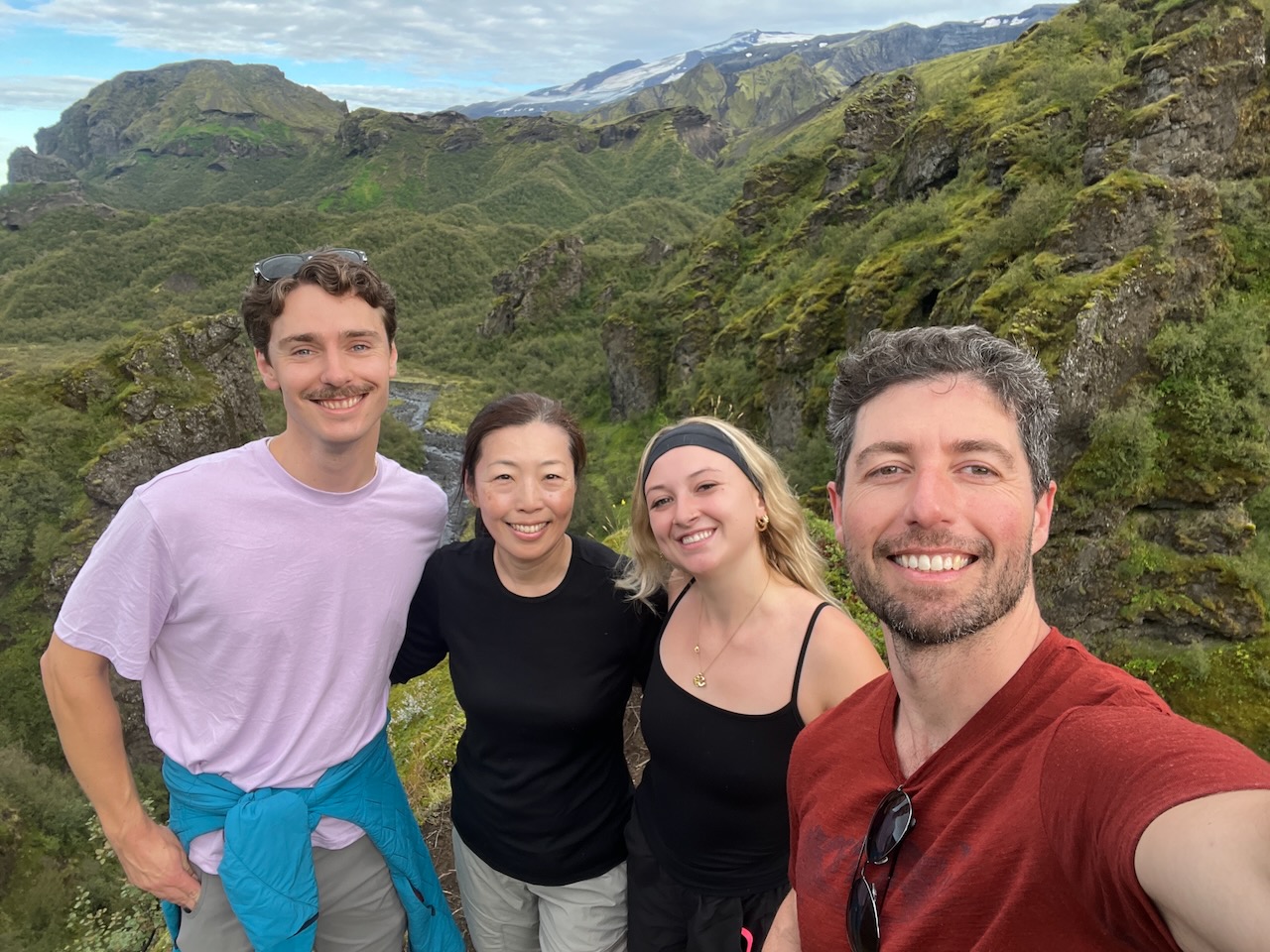
For one thing, I already know people all over the world, many of whom I’ve known for years – friends in London, Poland, Iceland, Germany and elsewhere. So despite travelling solo, I was rarely completely alone. I had long-established relationships to return to along the way, as well as family. Those connections gave me plenty of warm, loving human contact and made the whole “travelling alone” thing much less lonely than otherwise implied.
More surprisingly, I realised I’m also pretty good at making new friends.
And not just through apps.
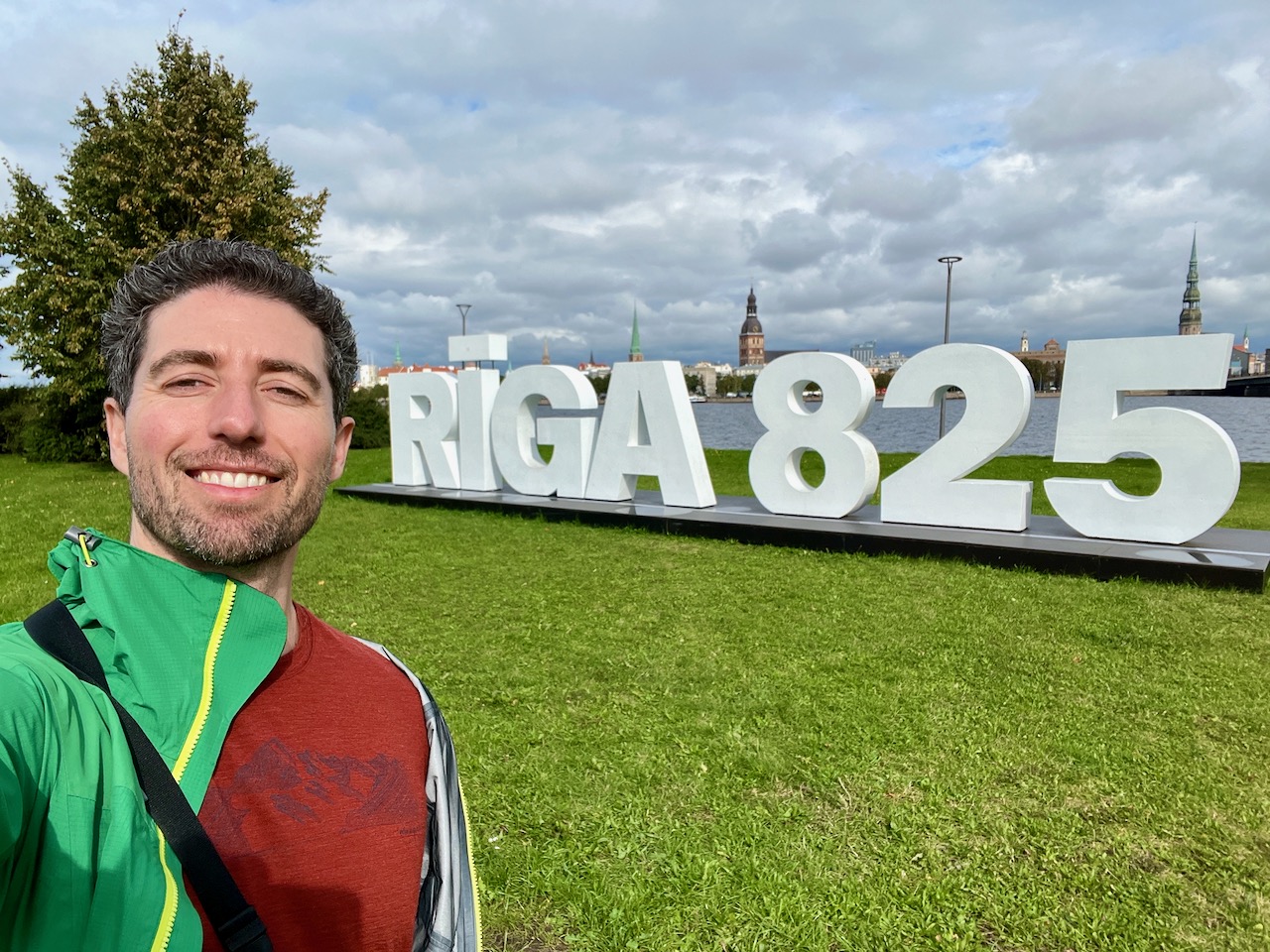
Nightclubs probably make it easier, but even there someone still has to be willing to cross the room and start talking. Then there were random conversations and chance encounters in Paris, Berlin, Ghent, Reykjavik, Riga, Vilnius and Helsinki.
I made a conscious effort on this trip to cross that awkward divide and talk to strangers. My theory was that plenty of people would like to talk but are too worried about seeming strange, intruding or being rejected to make the first move.
So I made it.
And, overwhelmingly, people responded.
Maybe the lesson wasn’t that I suddenly became good at making friends but maybe I already was.
Lesson 2: Being alone is amazing
Travelling solo was much easier than I expected – and, in many ways, easier than travelling with a partner or friends.
There was nobody else’s mood to manage except my own. Nobody else’s agenda, wants or wishes to negotiate. I didn’t have to worry that someone might be annoyed because I wanted to go somewhere they didn’t, stay longer, leave earlier, sleep in, or change my mind completely.
I spoke to a young guy in Reykjavik who was travelling with friends. They were sleeping off the excesses of the night before while he wanted to go and see the Pride parade. When I asked why he didn’t just go by himself, he said they’d be upset.
Excuse me?
They’re asleep.
It was a shock – and a reminder – that we tend to limit ourselves out of fear of upsetting other people, even when what we want to do is reasonable.
Before this trip, I expected loneliness to be one of the biggest challenges. I imagined moments when I’d desperately wish there was someone beside me to share an experience with or turn to for support.
Those moments happened, but nowhere near as often as I expected.
And eating alone? Fine.
Sightseeing alone? Fine.
Travelling alone? Also fine.
More than fine, actually. Often really enjoyable.
Occasionally I thought it might be nice to have someone there to encourage me to do something I wouldn’t otherwise choose. But then again, I saw an enormous amount, did almost everything I genuinely wanted to do, and never had to spend three hours somewhere purely because someone else thought I should.
Which brings me to another discovery.
Lesson 3: I don’t have to be a good tourist
I could count the number of museums I visited on one hand.
And I’m fine with that.
I’ve seen a lot of museums over the years. I’ve also spent years developing exhibitions for them, albeit in Western Australia. You could argue that visiting more would have been useful professional research.
But I just couldn’t be arsed.
I saw more cathedrals than I expected, mostly because they’re enormous, conspicuous and often free, but even those rarely inspired me to spend much time inside.
After more than 20 years of travelling and 50 countries, I’ve not particularly interested in visiting cultural institutions simply because they’re on a blog’s “Top 10”.
Perhaps that makes me incurious.
So be it.
I’d rather admit I’m not interested than pay €25 to wander miserably around a building thinking about when I can leave.
There are exceptions. Guided tours are often much more enjoyable than I expect. The prison tour I did in Vilnius was excellent.
And boat cruises.
You can rarely go wrong with a boat cruise.
What I kept gravitating towards instead was wildlife, nature and hiking, along with Pride festivals and seeing friends and family.
And wandering.
Lots and lots of wandering.
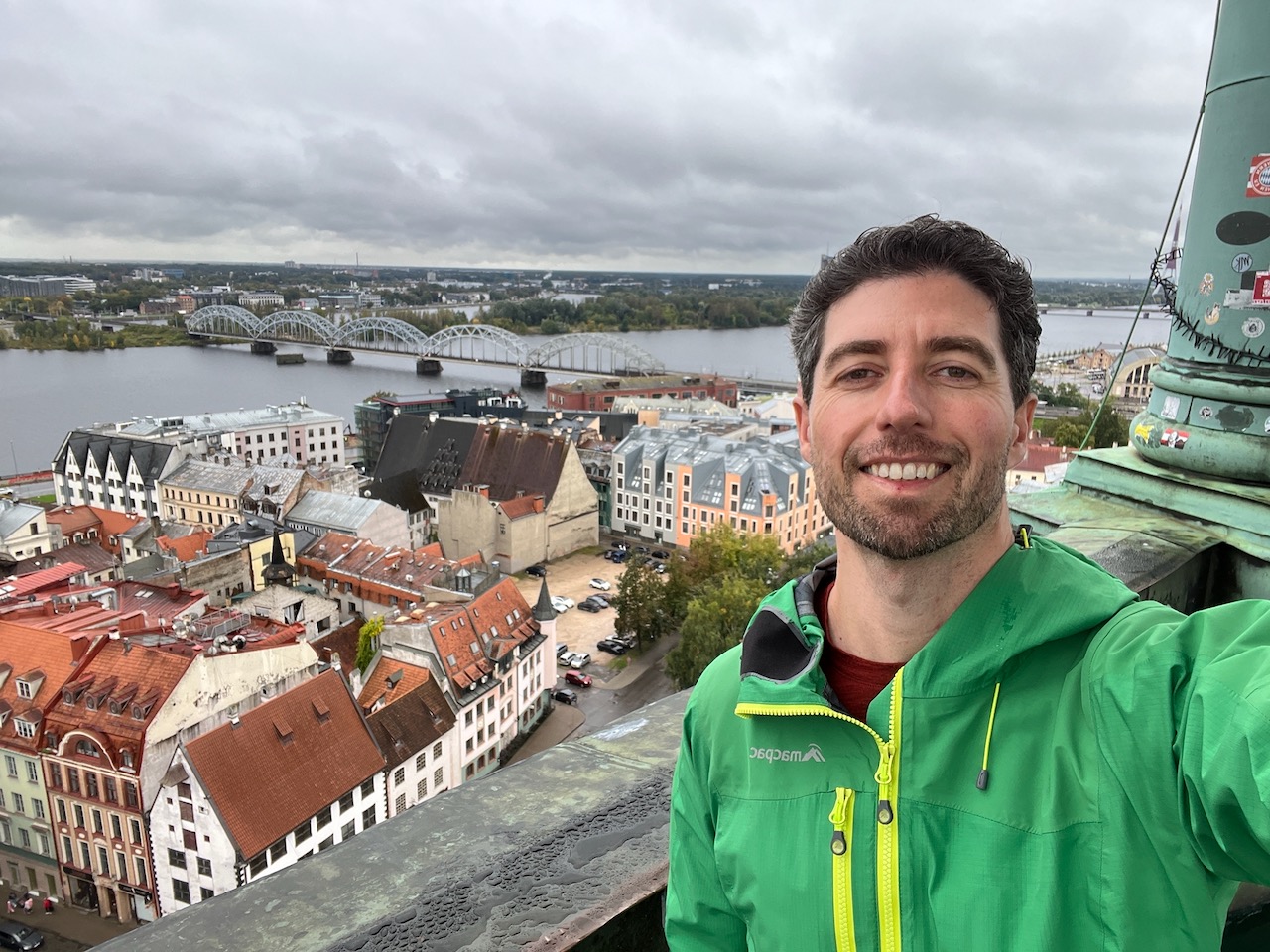
I’m quite happy strolling through an Old Town with no particular destination, looking at buildings, watching people and soaking up the atmosphere.
Although preferably with some greenery nearby.
Not everything is worth seeing.
Lesson 4: More information doesn’t always make better decisions
I didn’t plan this trip too heavily. That gave me plenty of flexibility, and because I wasn’t chasing tickets to every major museum or attraction, I could usually decide what I wanted to do as I went.
The problem came when I actually had to choose something like a restaurant, hotel or sight. Reviews only help up to a point before I get overwhelmed and can’t make a decision.
I hate choosing where to eat at the best of times. Having hundreds of strangers provide conflicting advice does not necessarily make that easier.
Hotel reviews were useful to a point, although almost everywhere I stayed turned out to be much better than the reviews had led me to expect.
And reading reviews of attractions actually stopped me from visiting a few places I might have enjoyed. Something to remember next time.
The more significant information overload, though, came from home.
Thanks to social media, I could be thousands of kilometres away and still know what everyone in Melbourne was doing.
Sometimes that was nice.
Sometimes it was ridiculous.
I could literally be at a Pride festival in Europe while people back home were going to the same nightclub they go to every other weekend – and somehow find myself wishing I was there instead.
FOMO in full swing.
By contrast, I spent roughly three days hiking in Iceland without any phone signal at all.
No scrolling. No checking. No idea what anyone else was doing.
It was glorious.
Forced disconnection was amazing.
I didn’t even manage that in Antarctica.
Lesson 5: Wherever you go, there you are
“Wherever you go, there you are” has been doing the rounds on social media lately as though it’s some profound piece of ancient wisdom.
It always makes me laugh because it’s something Mike Brady says in The Brady Bunch Movie.
Unfortunately, Mike Brady was right.
I was still me on this trip.
Travelling gave me new scenery, new people, new problems to solve and plenty of distraction. Being removed from my normal environment helped too.
But I couldn’t distract myself all the time.
No matter how far away I went, I still brought my anxieties, habits, insecurities and patterns with me.
In some ways, travelling made them easier to see.
I became particularly aware of this while trying to decide what the second half of the trip should look like. Without the usual structure of my Melbourne life around me, there was much more room for uncertainty – but also much more room to ask what I actually wanted.
There was something liberating about realising that, apart from the occasional (jealous) message from home – “OMG! Aren’t you done yet?” or “Don’t you get sick of living out of a suitcase?” – nobody really cared how long I stayed away or where I went next.
That freedom was exciting, although sometimes a little terrifying.
Eventually I decided I wanted to come home to see what the post-holiday version of Dan was like.
And also because I’ve got more travel planned for the rest of the year.


What do you say, eh?