When I planned to go to Europe, I had a vague idea that I might add the Baltics as well, constructing an itinerary that followed a very pleasing arc across northern Europe. It didn’t quite work out that way, but I did dedicate the final part of my trip to the Baltics.
I flew from Krakow to Vilnius very early on Monday morning and headed to my accommodation in the Old Town to drop off my luggage. I had a while before I could check in and, with limited time to explore, set off to see what I could see.
Unfortunately, Monday is when most museums in Europe are closed, so I didn’t have as many options as I would have on any other day.
The weather was also turning colder and greyer, so spending a bit more time indoors wouldn’t have been a hardship. Museums weren’t the only things closed or under renovation during my short stay, though.
My hotel was near the Town Hall, which was draped in hoarding depicting what the building was meant to look like. In the square in front of it, however, was a portal showing a live video feed from another portal somewhere else in the world.
When I was there, it was showing somewhere in Brazil, although it was the middle of the night there and no one was walking past. Another time it did show people and you could wave and interact with each other. It was pretty cool; very Stargate.
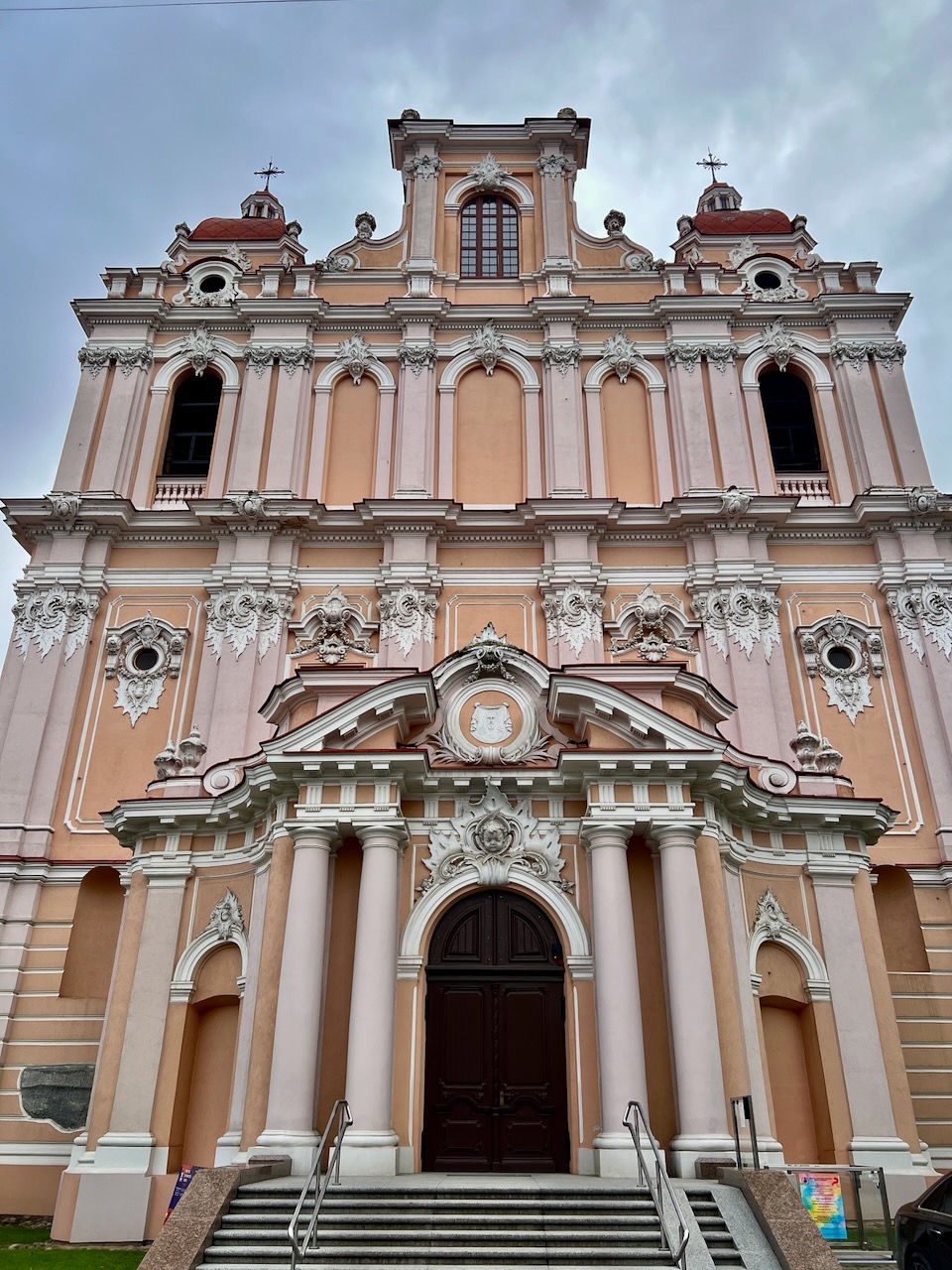
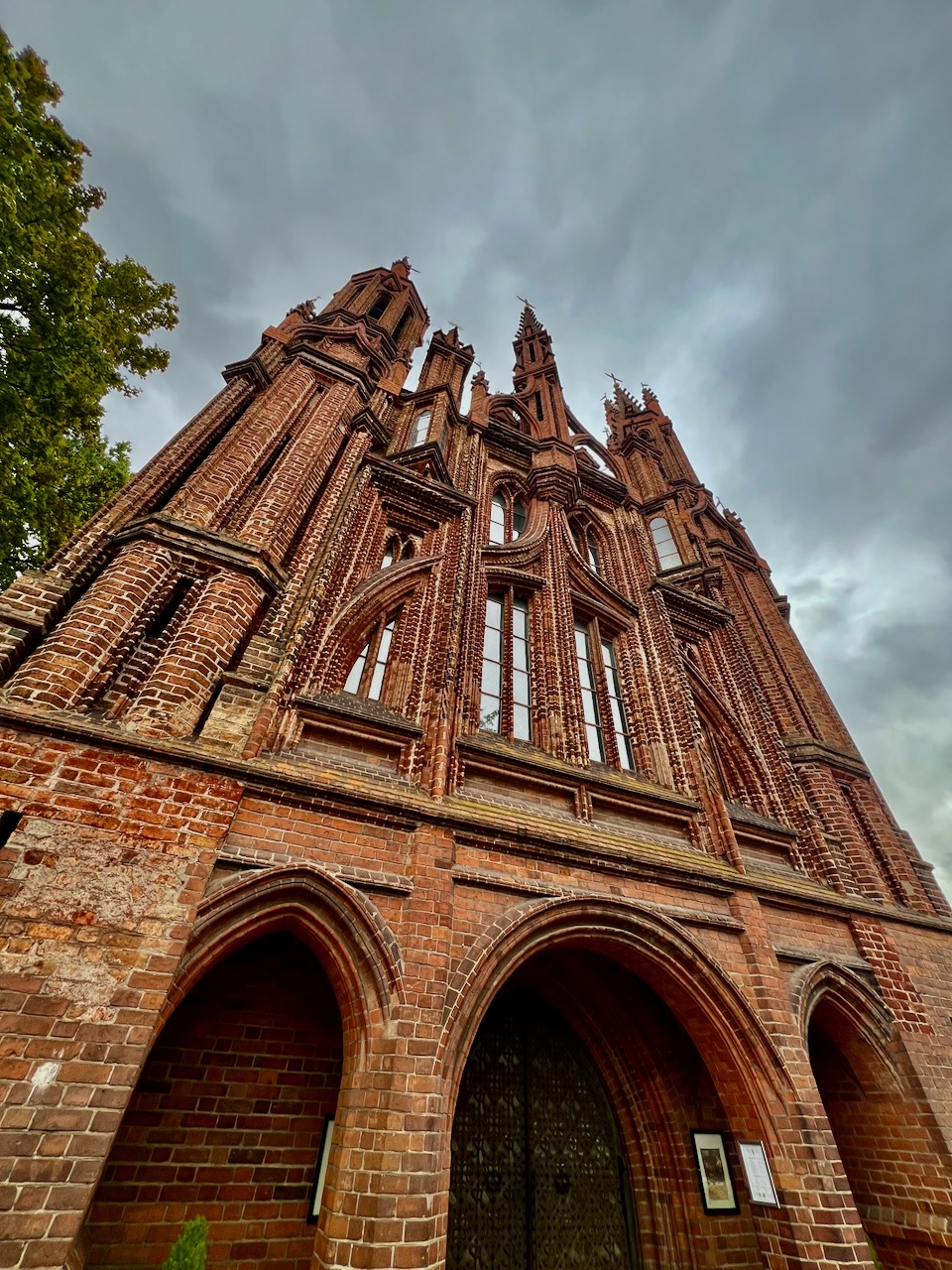
I went to a café for breakfast and coffee, then headed to St Anne’s Church to take photos of the beautiful brick building before wandering into Bernardine Garden behind it, with the river flowing through.
There I got my first look at the resident crows, which have black heads and bodies but grey feathers across their middles. Two-tone crows! Really cool.
I crossed the river and wandered into the parkland on the other side, aiming for the Three Crosses Monument on top of the hill. The monument commemorates the slaughter of seven Franciscan priests in the 1300s or maybe the 1600s, and the current monument is a 1919 rebuild of a wooden version that collapsed in 1869. Unfortunately, when I reached the top, the monument was covered in scaffolding and you weren’t allowed to get too close.
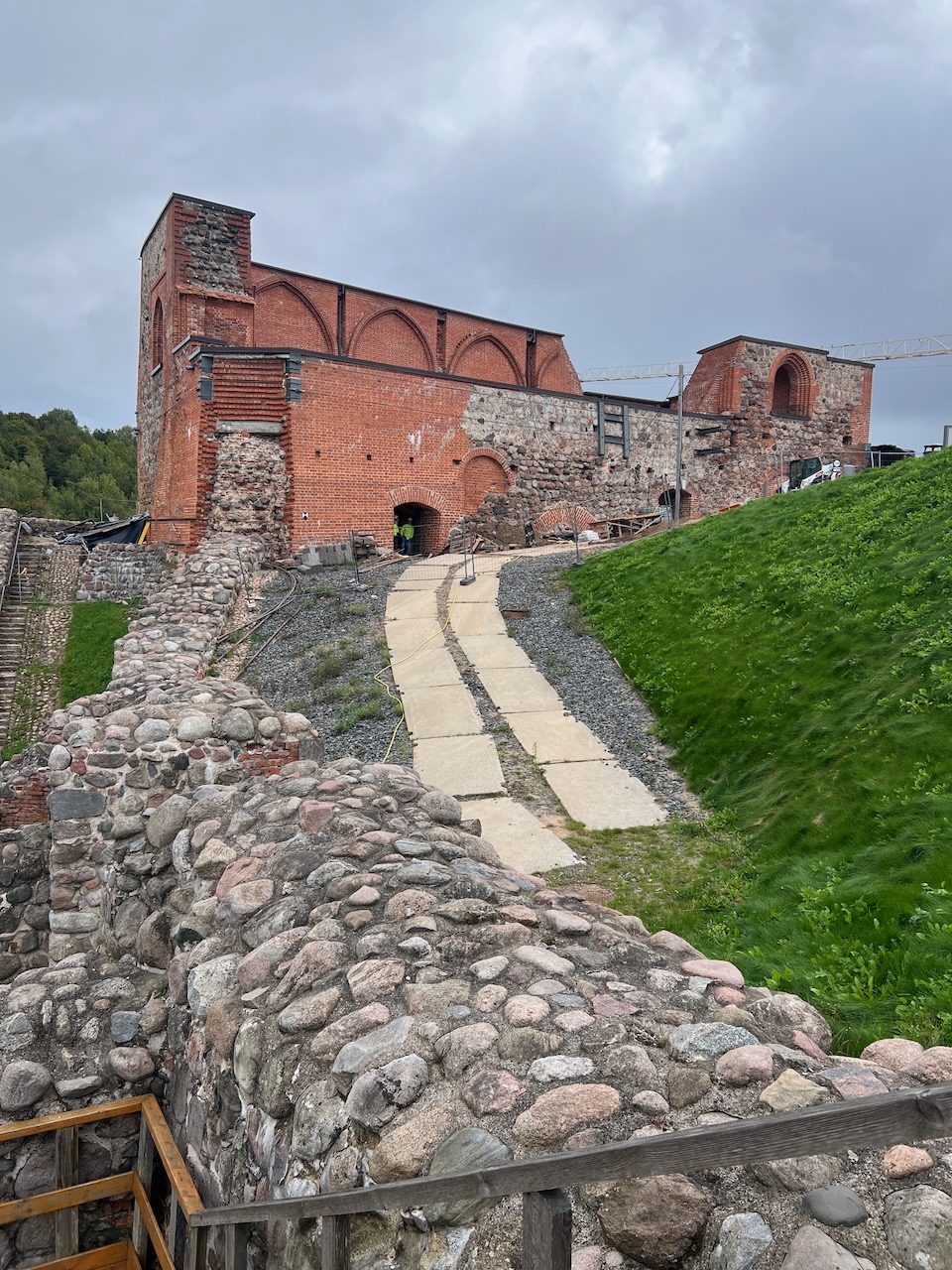
Onward, then, to Gediminas Tower, which sits on top of another hill and can either be reached on foot or by funicular. I walked up because it was easy and free, only to discover that the tower was also surrounded by scaffolding and closed for renovations.
Between these denials and virtually every museum being closed, I wasn’t having much luck. The Museum of Occupations and Freedom Fights and the Contemporary Art Museum were also closed until Wednesday, by which time I’d be gone.
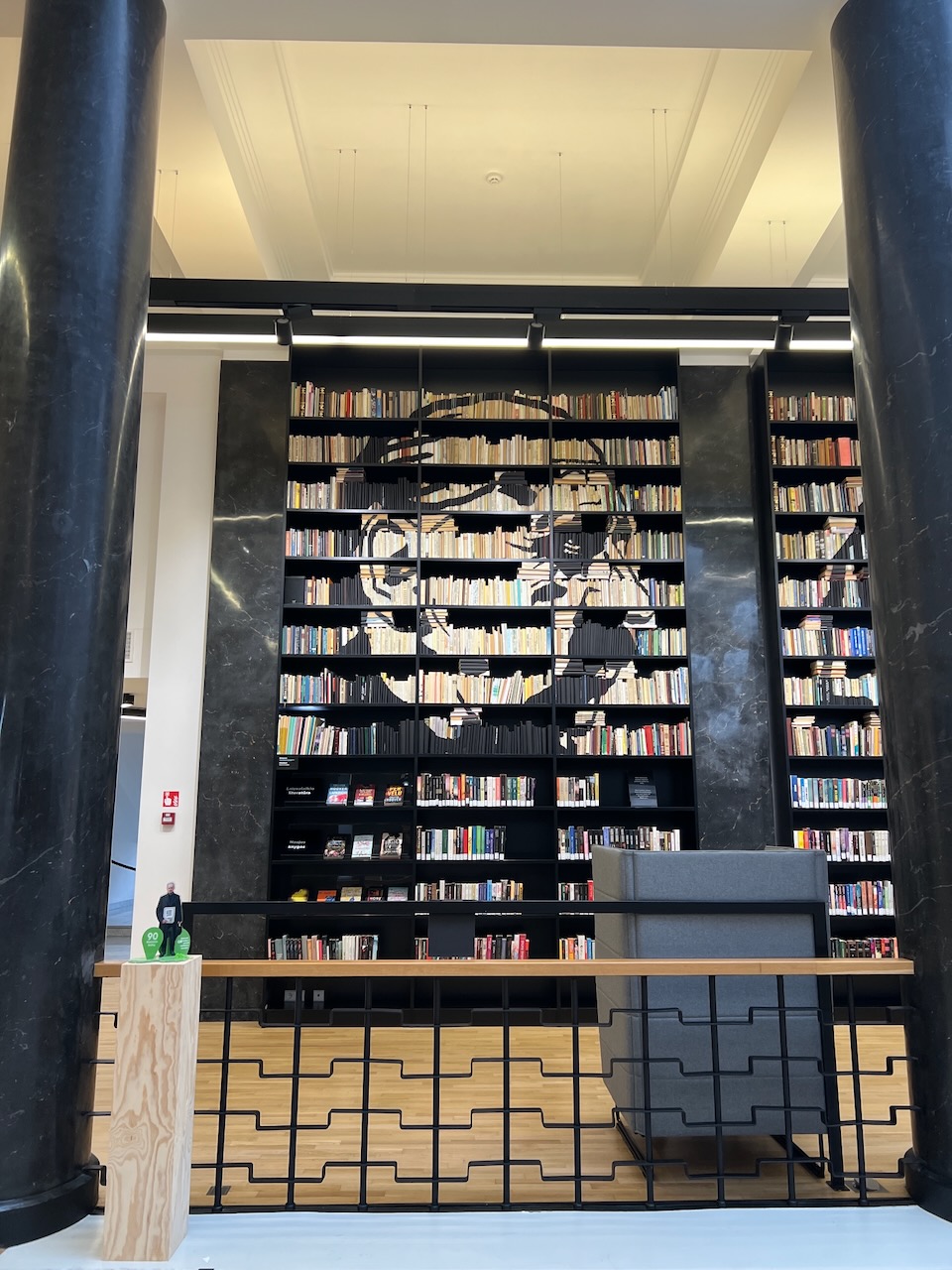
Still, I had a good walk and eventually made it to the National Library, checking out its exhibitions before doing a bit of work that could no longer be avoided. That took me through until about 2pm, when I could finally check into the hotel and have a nap.
That evening I went out for dinner at a Lithuanian restaurant but otherwise had another chilled and quiet night.
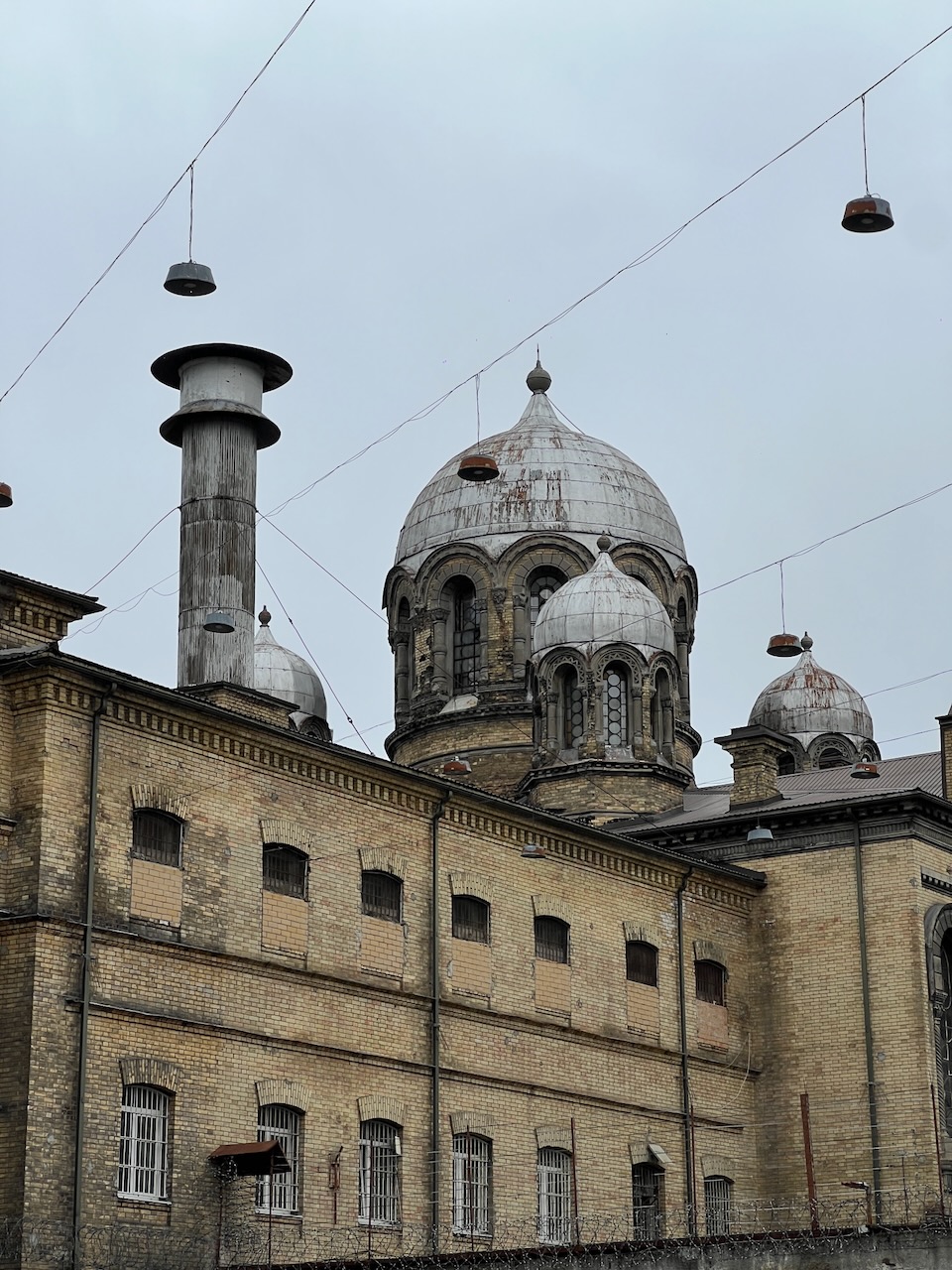
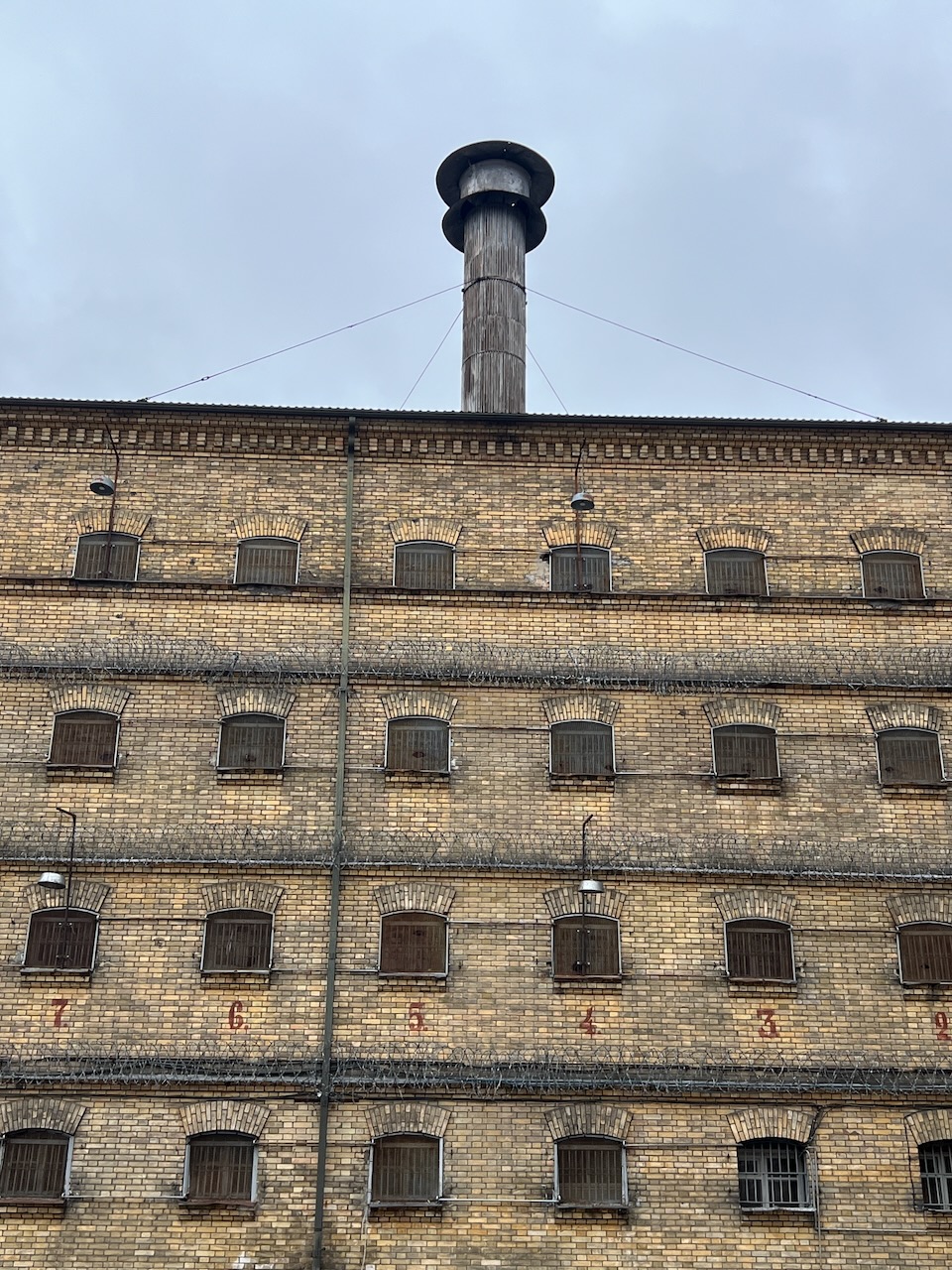
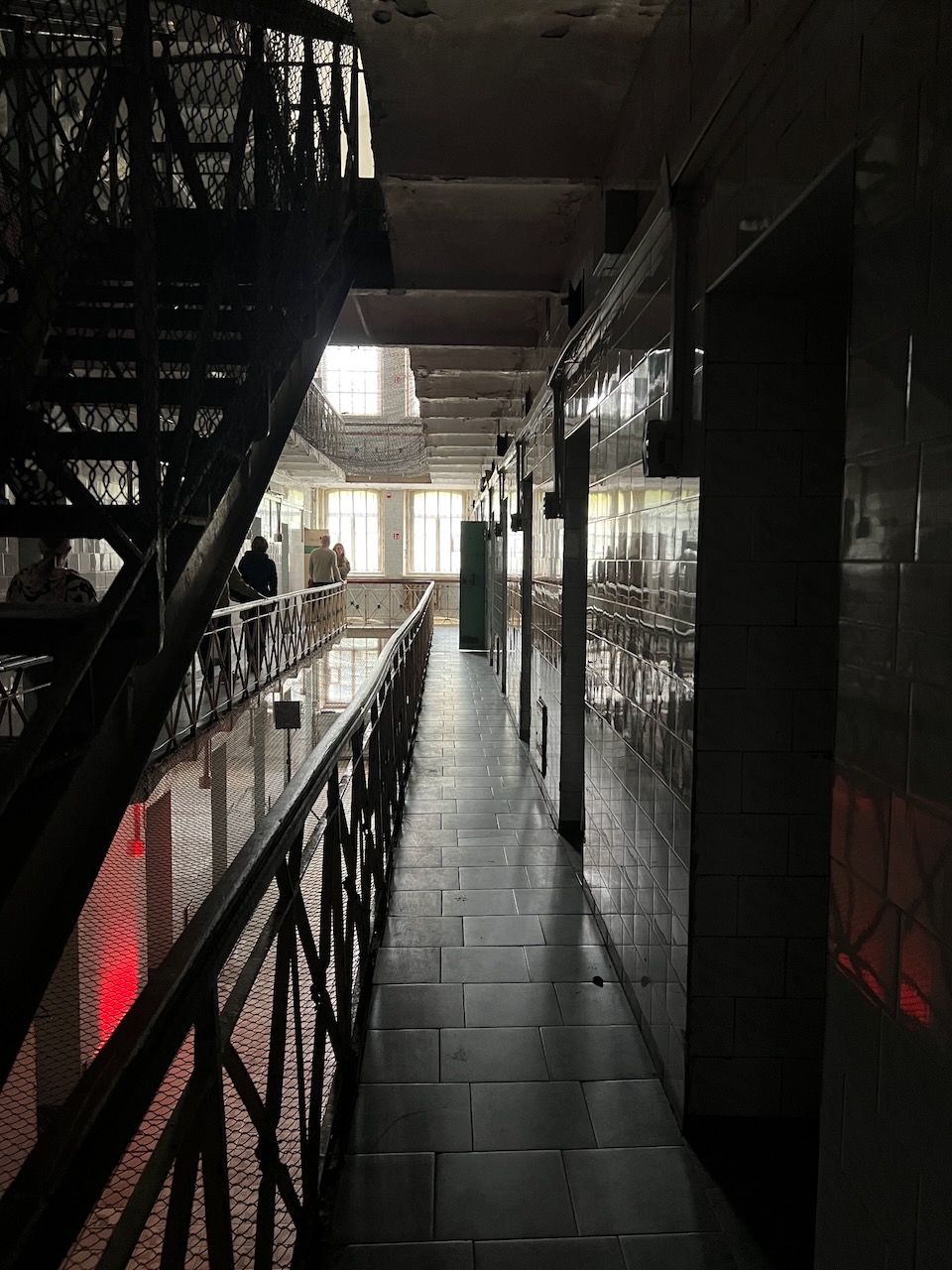
The weather worsened the next day, and it was very tempting to just stay inside and watch TV, but I rallied and booked an English-language guided tour of Lukiškės Prison.
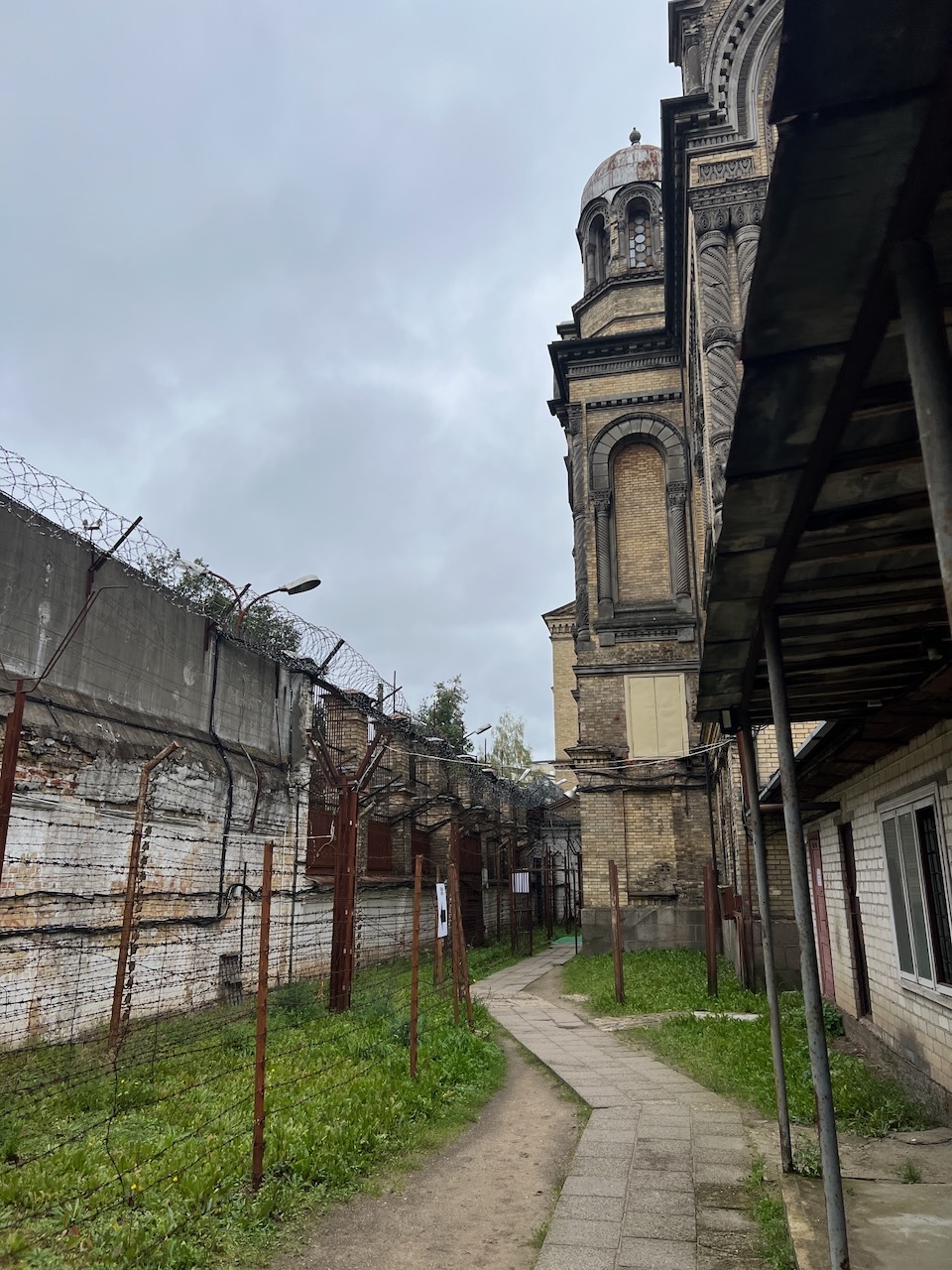
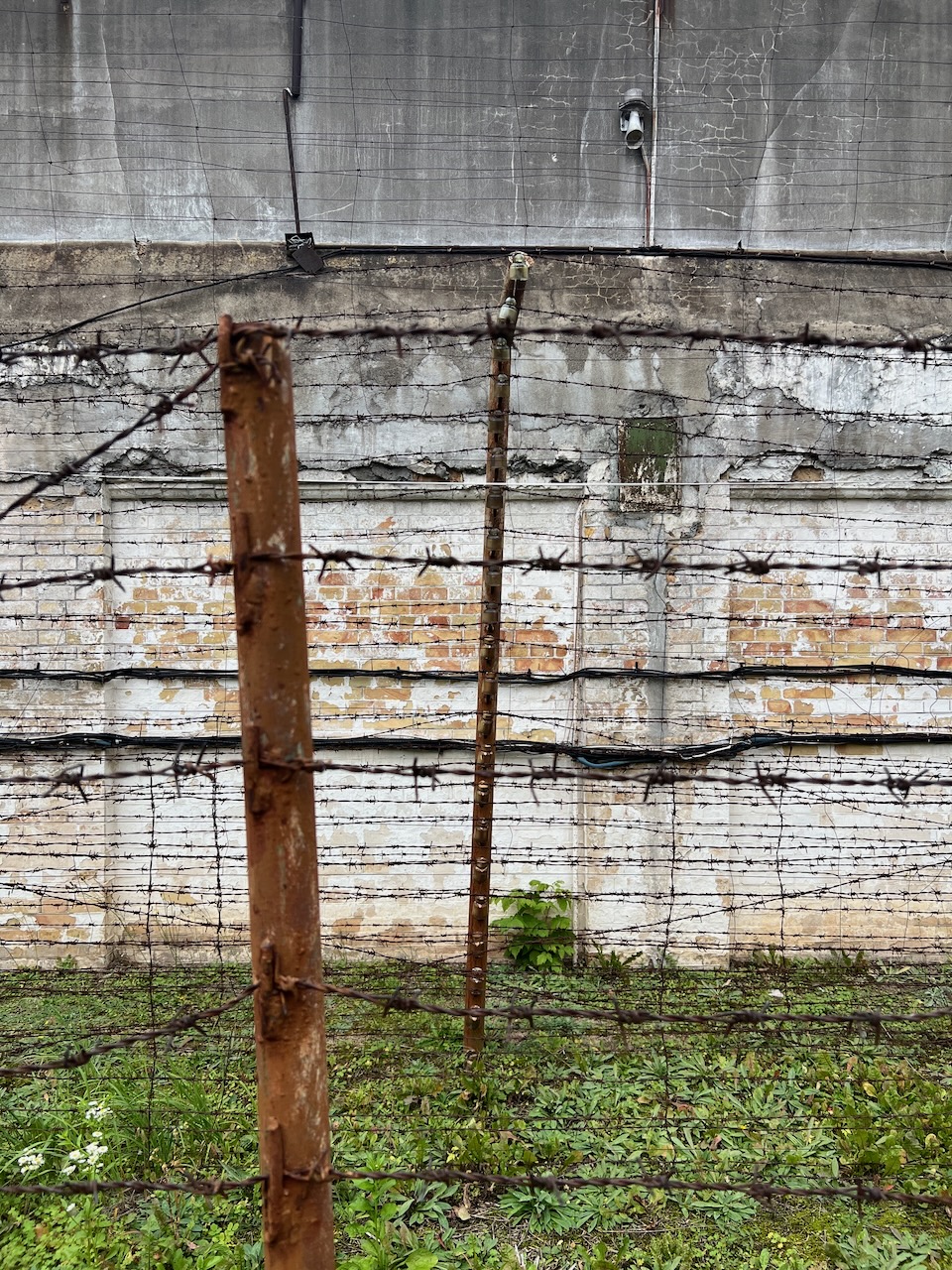
The prison was built in 1904 and remained in use until 2019. Given Lithuania’s multiple waves of occupation under the Tsarists, Bolsheviks, Nazis and Soviets, followed by a fairly wild period after the collapse of the Soviet Union, there was no shortage of grim history associated with the place.
The Orthodox chapel, built as part of the original prison complex, demonstrated just how many different lives the building had lived.
It went from Orthodox chapel to Catholic chapel, then at one point became a prison cell holding around 1,000 people. It later served as an administrative centre, a nightclub for Soviet prison guards and a performance space. These days, it even hosts drag bingo once a month.
When the prison closed in 2019, the government needed to find a new use for it other than bulldozing the place, so it was converted into a cultural space. It now has a restaurant and outdoor cinema, a stage for live music, and one of the prison blocks has been converted into studios for artist residencies.
Various spaces can be hired out for events, and it has also become a popular filming location – including appearing as a gulag in Stranger Things – as well as a tourist attraction in its own right.
Our guide had six tours that day, with the last one finishing at midnight. The tour lasted about 90 minutes. The prison history itself was interesting, but what I liked even more was getting a broader overview of what Lithuania had been through over the past hundred or so years. The shit people do to each other, though, is still horrifying.
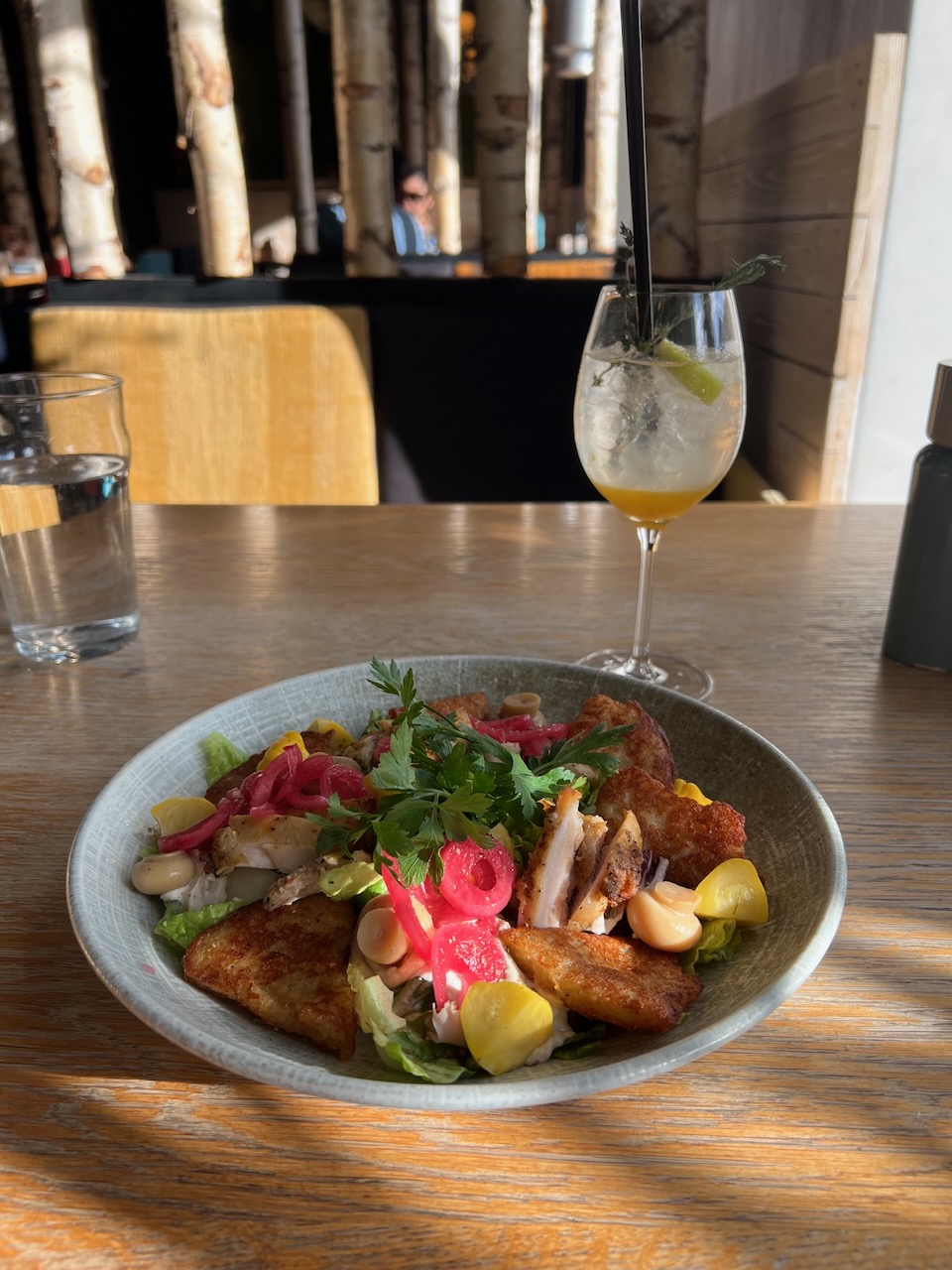
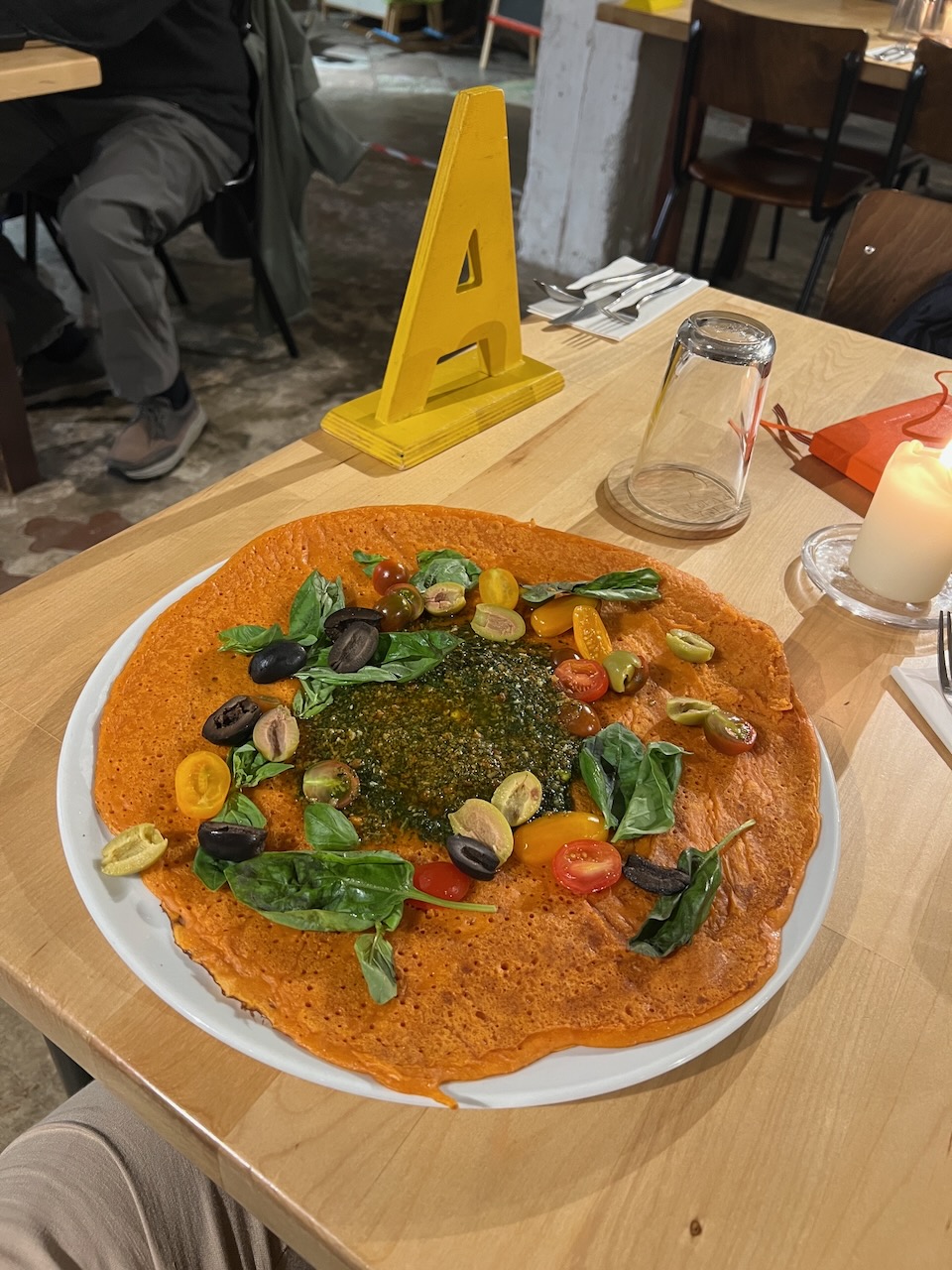
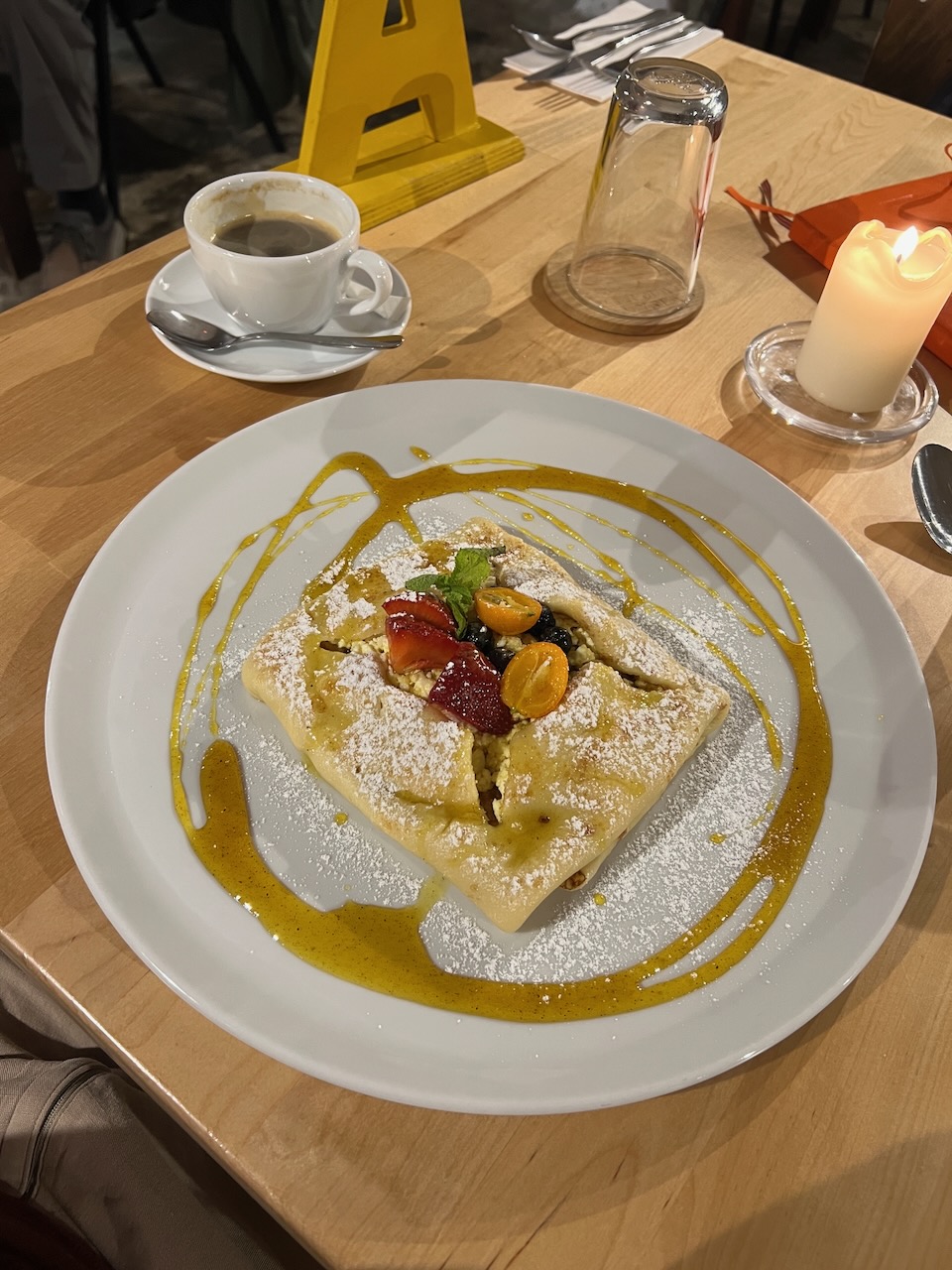
Afterwards, the guide recommended somewhere for lunch. I went there, didn’t find much on the menu I liked, and instead stumbled across Pirmas Blynas, a place specialising in pancakes.
Even better, it’s in the basement of an old church and employs people with disabilities, so I felt even better about tucking into enormous savoury and sweet crêpes. I practically waddled back to the apartment afterwards.
That evening I caught up with Teddie, a friend from Taiwan who had moved to Lithuania three weeks earlier for a six-month internship.
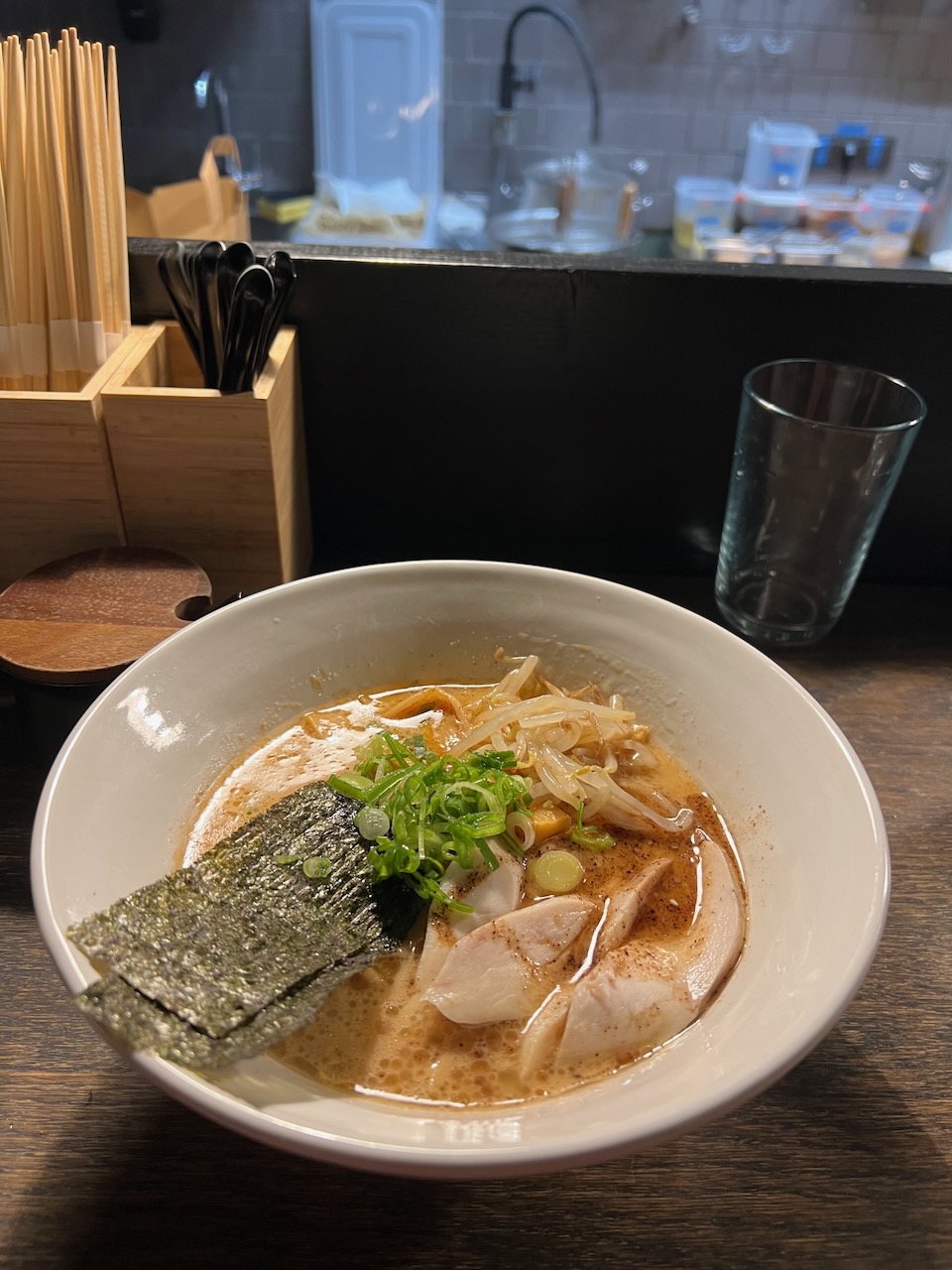
Getting back out into the rain wasn’t especially appealing, but the conversation over hot drinks in a cool café was worth it, as was the delicious ramen we had afterwards at Sakai Ramen. Their jammy hard-boiled eggs were so good.
I was also happy to have a bit more human contact after spending the previous few days mostly on my own.


What do you say, eh?