I never thought I’d go hiking in Japan. I’d been there twice before on trips built around skiing in Niseko, with small touristy tastes — Kyoto, Nara, Tokyo — added on. And while this trip was going to include some of that as well, including theme parks and food, I never really associated Japan with hiking up mountains on blistered feet, carrying too much luggage and leaning heavily on a pair of knee-saving hiking poles.
But the Kumano Kodo pilgrimage on the Kumano Peninsula is a well-travelled and popular route that I hadn’t heard of until Shawn and I started planning our two-week trip to Japan for September/October. This was also a trip I took with Shawn before we broke up, which gives some of the memories a slightly strange aftertaste now.
While we had booked our flights earlier in the year, we hadn’t got around to booking anything else until about three weeks before we left. As a result, due to the popularity of Japan then (and now), we were a little late to book accommodation and luggage transport. But we made it work. Mostly.
After spending a few days in Osaka, visiting Kyoto and Nara, we went out to the peninsula to start our four days on the pilgrimage. There are various routes you can take that go farther and longer, but with limited time to spare, we went for efficiency and the highlights.
Osaka to Takahara: too much luggage, not enough Japanese
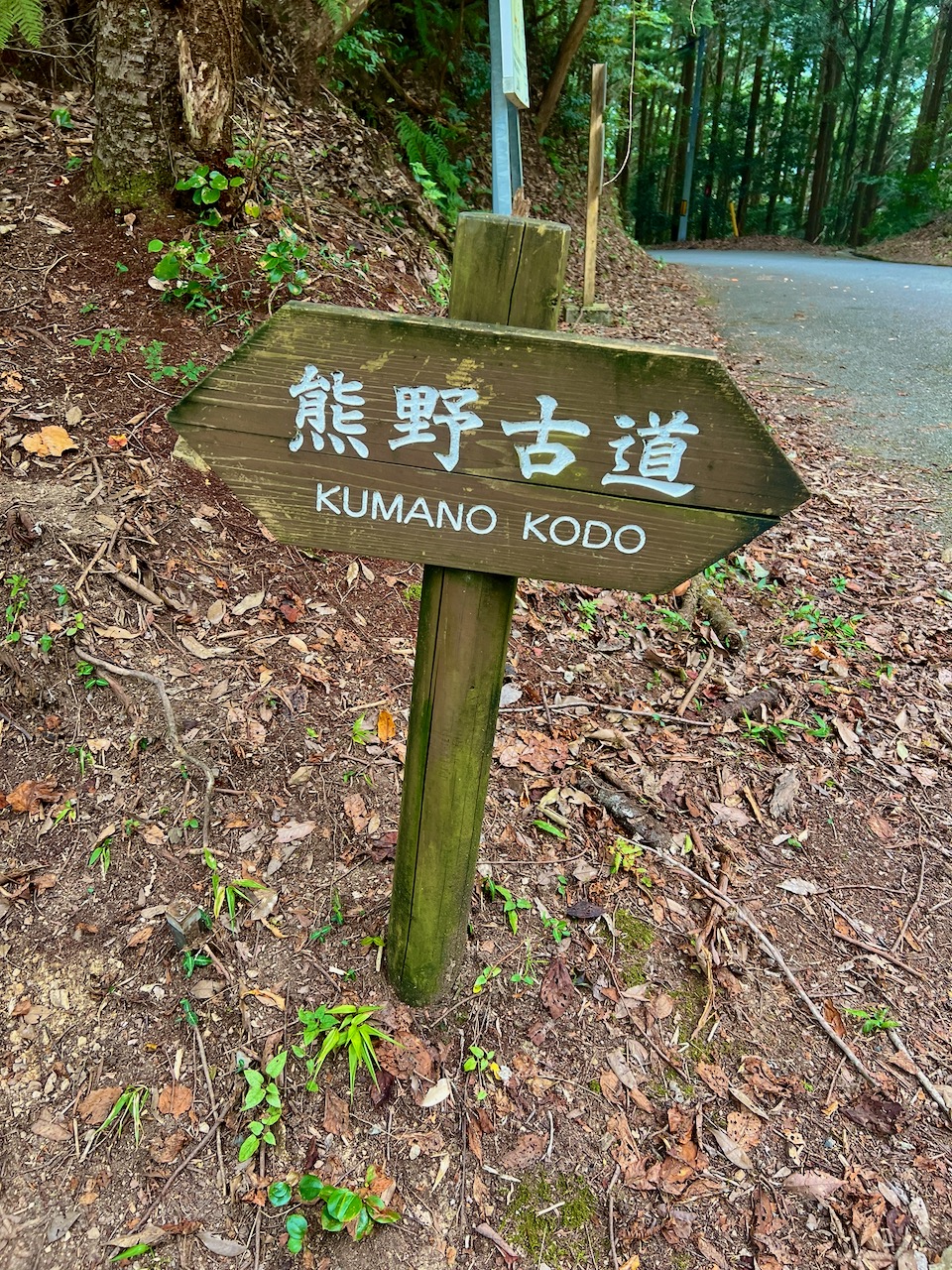
Day one was spent getting from Osaka to Tanabe by train, but this first involved organising transport of our luggage from Osaka to Tokyo. If we’d had more time — or if I’d called my friend Jen to organise this part for us as she speaks fluent Japanese — we could have arranged for our luggage to be picked up and dropped off at every place we were staying.
As it was, we organised for it to go from Osaka to the depot nearest our accommodation in Tokyo. Even organising that was stressful, especially as a line started to form behind us. This also meant we had to bring full backpacks with us.
Unsure of the weather, we packed too many things. I ended up not needing long pants, a thin jacket, a rain jacket or an extra t-shirt (though took it anyway because social media posts showing torrential rain in summer put me on edge). It also would have been better if I hadn’t had to lug my laptop with me through the whole thing, but I had to work on an assignment while we were away so it came too.
Nevertheless, our backpacks were capacious enough to hold everything we needed to keep us clothed, fed and groomed. Our shoulders recovered. But next time, carrying next to nothing would be preferred, especially as it slowed us/me down and lugging that kind of weight, especially up and down steep hills during the heat, made me…less than agreeable.
Once that was sorted, we caught the train to Tanabe where we collected the Kumano Kodo passport, which includes spaces to put the ink stamps that you collect from the different shrines and stops. In hindsight, we should have got one each so we could have kept one once we’d gone our separate ways, but the memories will have to do.
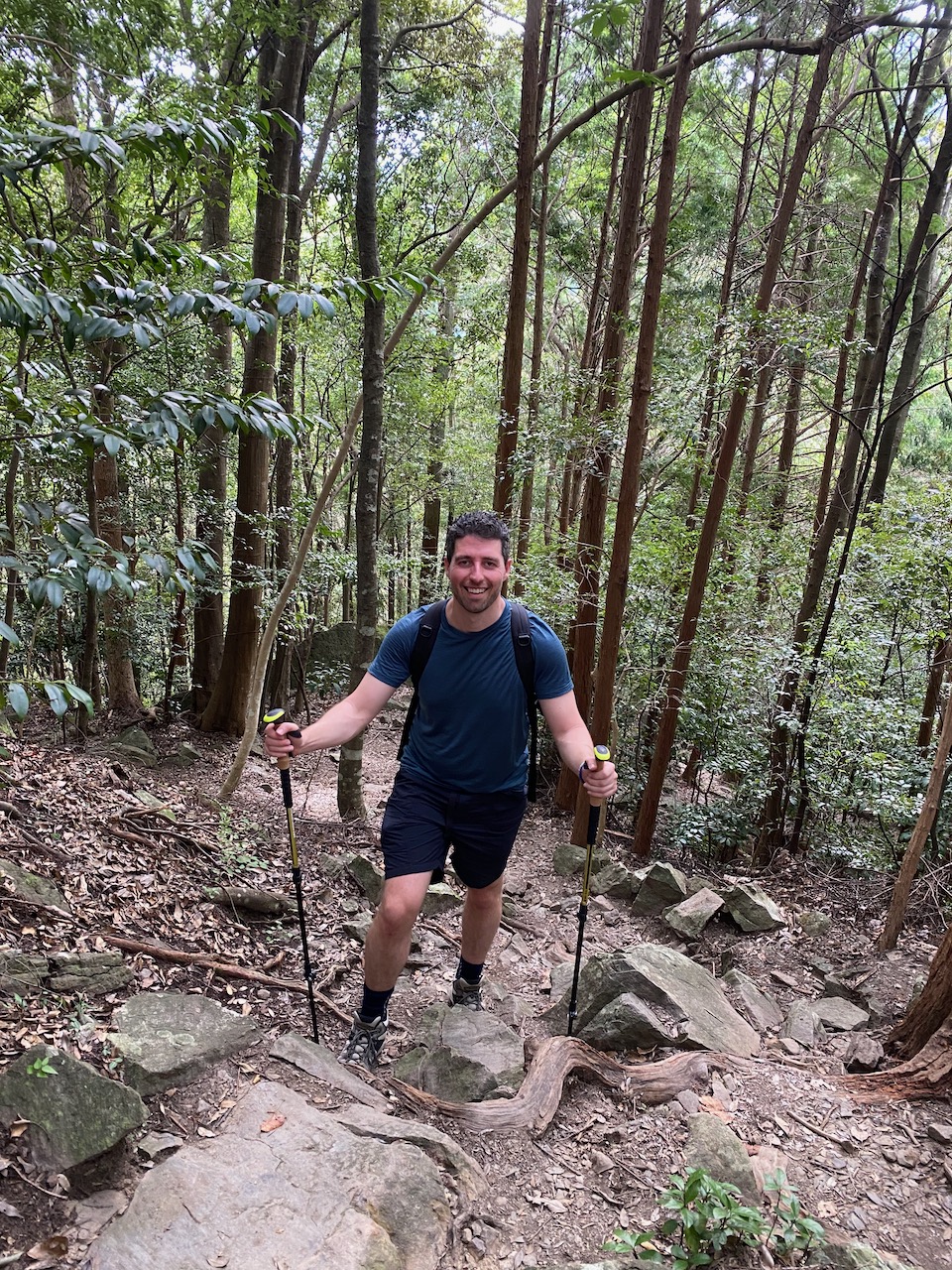
From Tanabe, a bus took us to Takijiri and we walked through the forest to Takahara over the next couple of hours. I don’t think the kilometres were all that many, but it was steep in sections. Having the shade of the forest helped with the heat.
Hiking poles are a revelation. I’d never used them before and I almost didn’t buy some for this trip. I thought I wouldn’t use them. I thought it wouldn’t be that hard going without. But I bought them anyway and my god, were they wonderful.
They were great for going up the mountain and they were great for going down the mountain and even great when walking flat. They were also great for knocking rocks and stones off logs (I detest the little stack of stones people make). I’m sure I could have done the hike without them — Shawn did, but he’s 10 years younger — but they were very welcome and helped lift some of the load from the backpack.
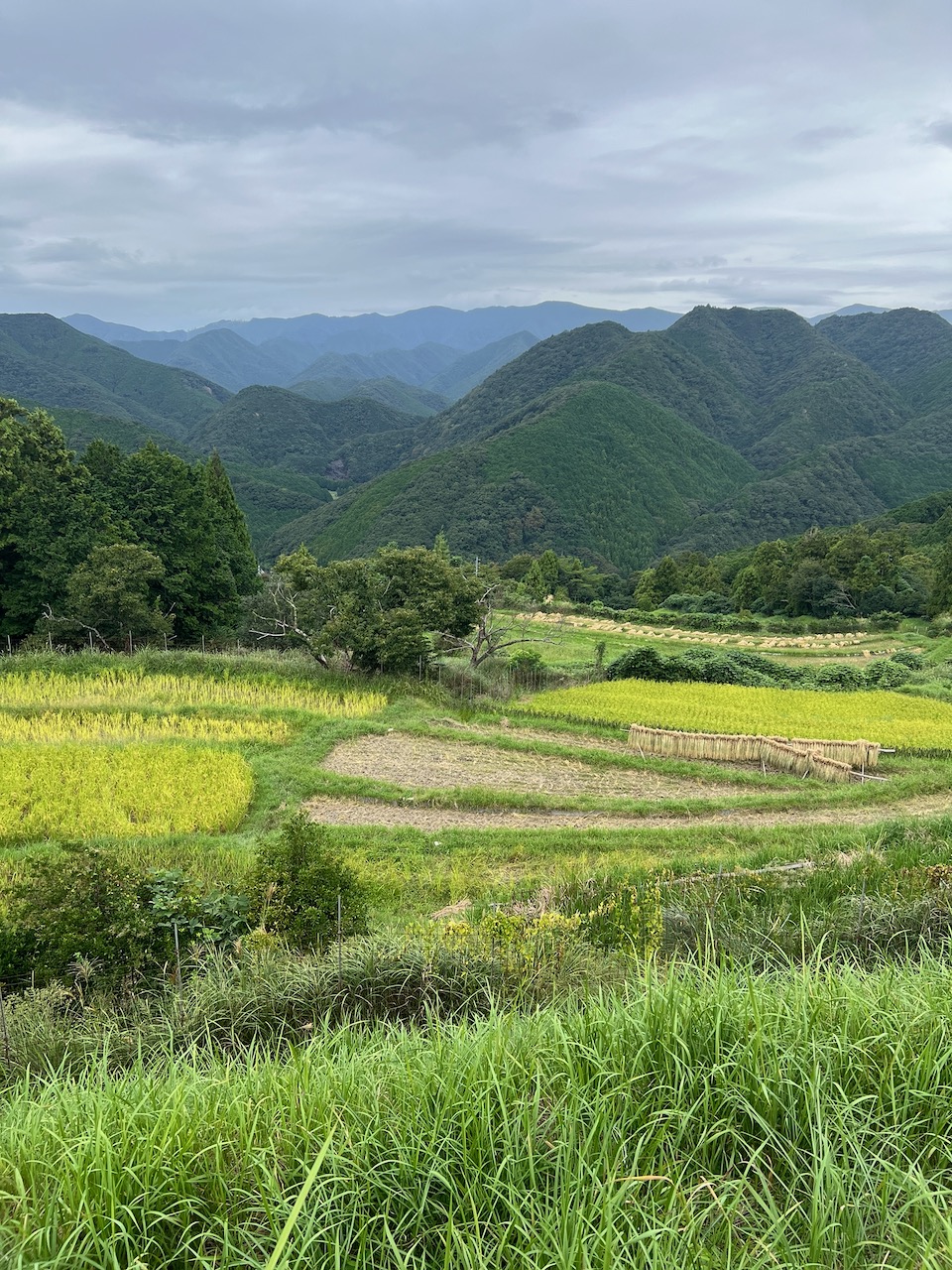
We reached Takahara in the late afternoon and had a beautiful view of the valley. Shawn wanted to complete that section of the trail on AllTrails so he went and did a little bit more of a loop, while I stepped into a small hotel reception and, through gesturing, spoke to the Japanese woman there and begged for water. She very kindly gave me cold water from the fridge, letting me fill up my big bottle, then gave me a couple of bananas, which were very welcome. I then had offerings to give Shawn when he came around the corner.
Due to the late booking, we weren’t staying in Takahara, which would have made things easier, and instead walked down the mountain to the bottom of the valley. My feet were already starting to hurt; I’d made a mistake in the hiking boots I’d bought so was on my way to developing some great blisters.
Once in the village, we found a supermarket and stocked up on ready-made delicious Japanese meals for dinner and plenty of snacks and water for the next day’s hike. Accommodation was self-check-in but a really lovely two-storey wooden home on the edge of the river. Loungewear was provided for us to use while there, and we had a pleasant evening eating our food and relaxing.
Takahara to Chikatsuyu: hot and cold
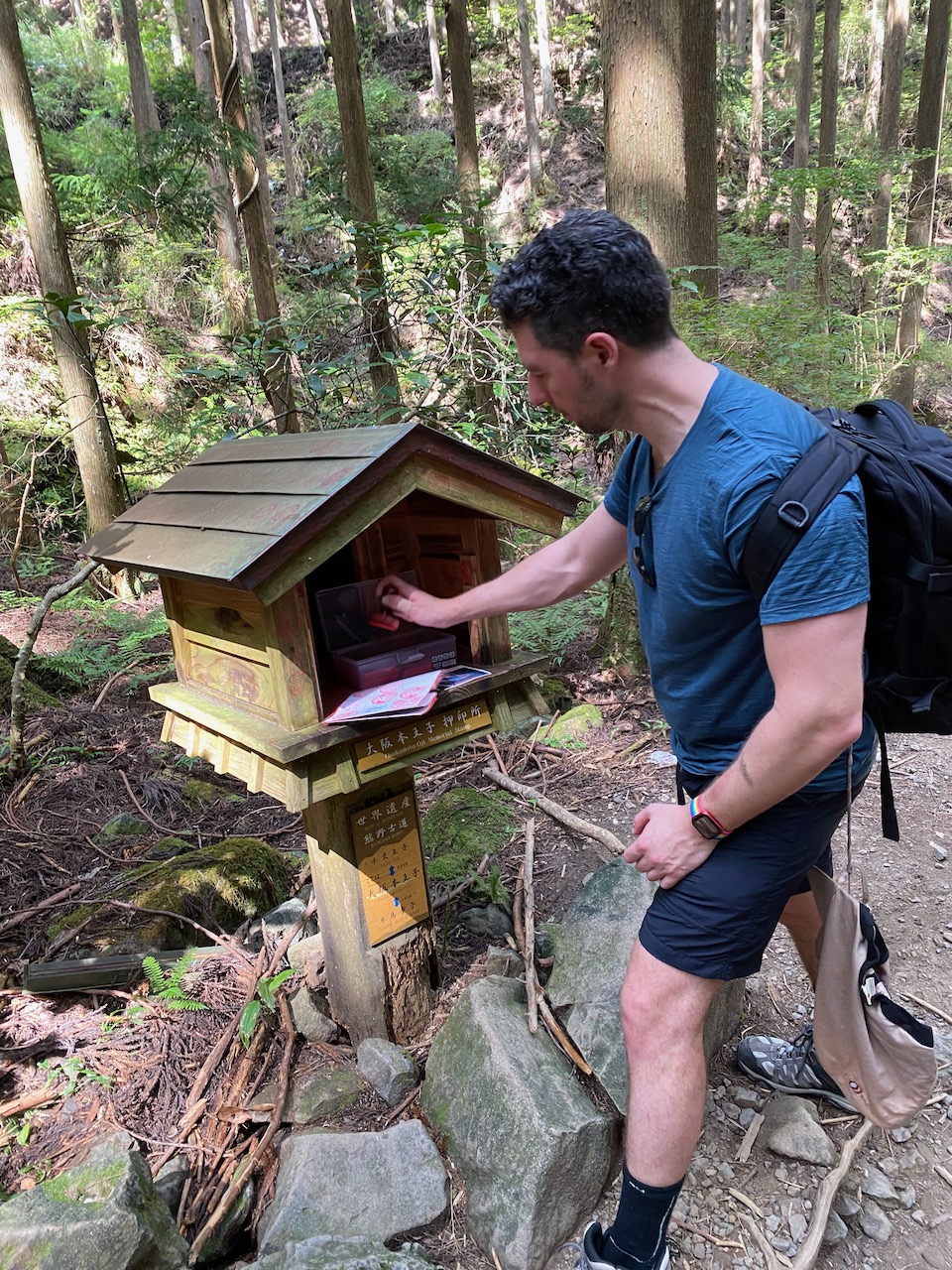
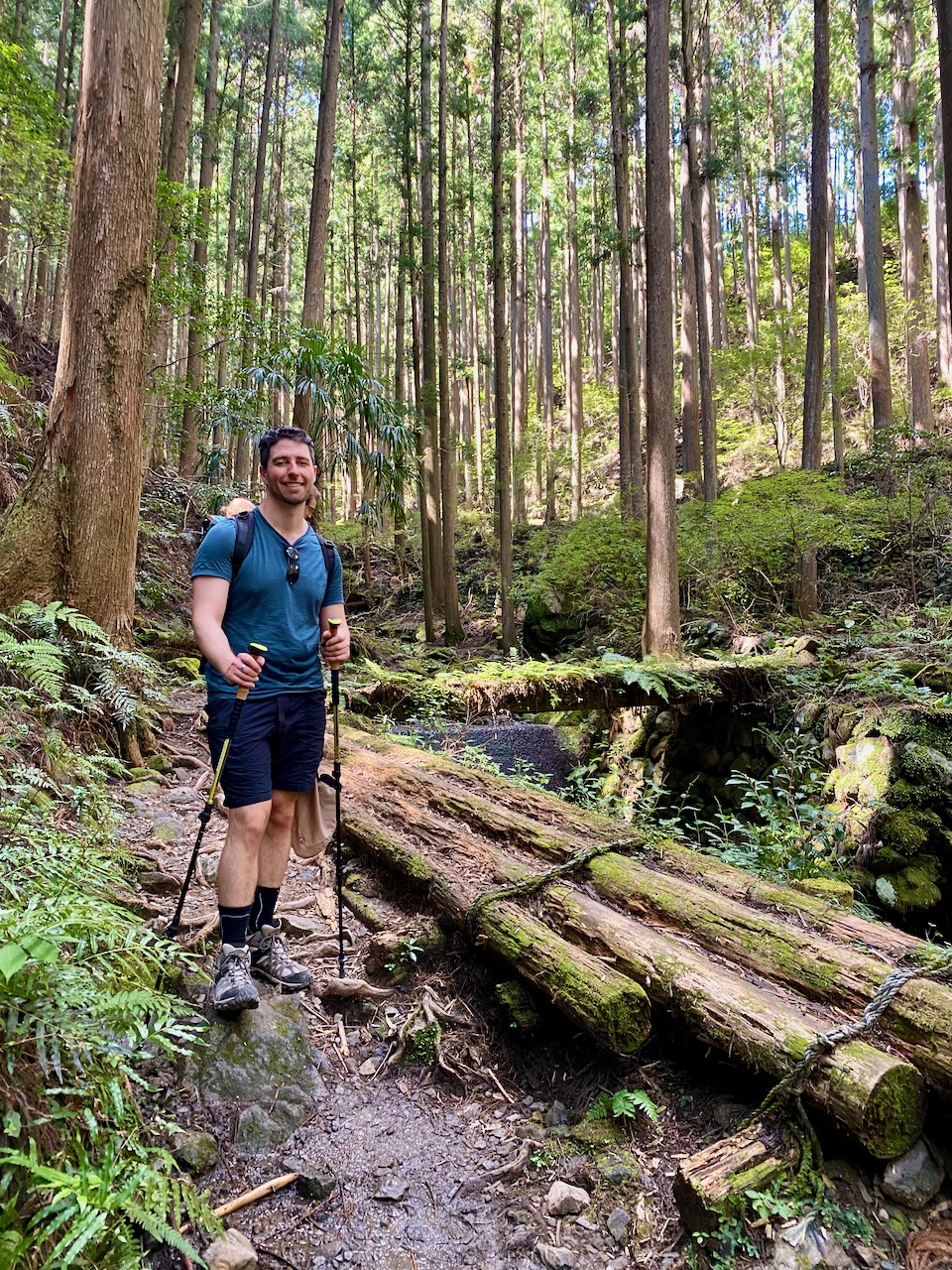
Day two saw us up and out, hiking back up the mountain to Takahara then continuing on. I remember not being in the greatest mood at the start of this day, a combination of sore feet, the weight on my back, and the heat. This was combined with feeling generally like a drag, being too slow for Shawn, who at one point on the hike left me in the dust.
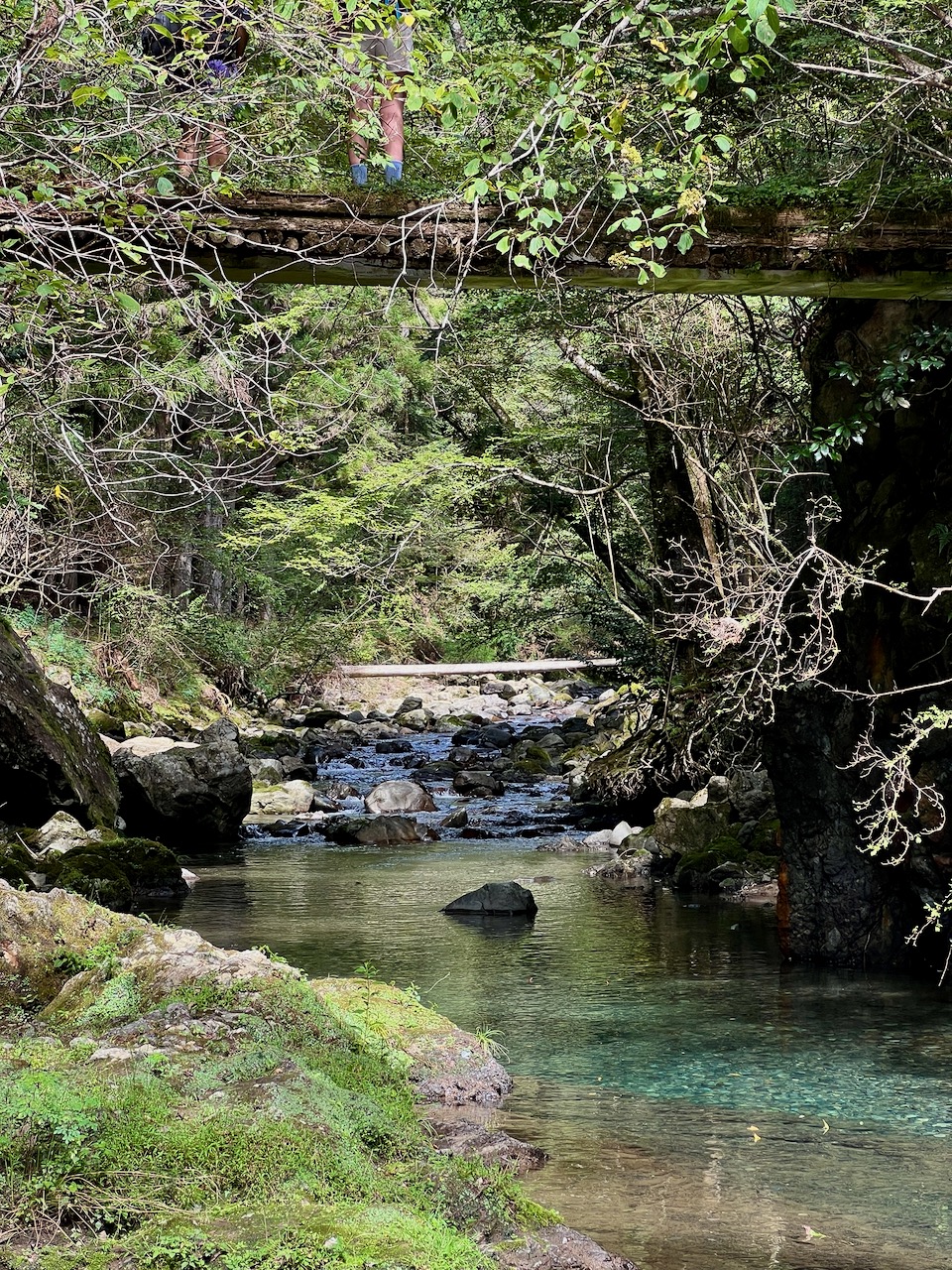
That being said, there were good stretches. We met an older couple who we kept bumping into along the route for the next two days. There were some nice spots to stop and, one of the real highlights for me, was coming upon a beautiful crystal clear river where we stopped and went for a swim, deciding that walking with wet shorts was a small price to pay to cool off. It was glorious. (Just realised while sorting the photos that the river was on Day Three but I can’t be bothered editing it.)
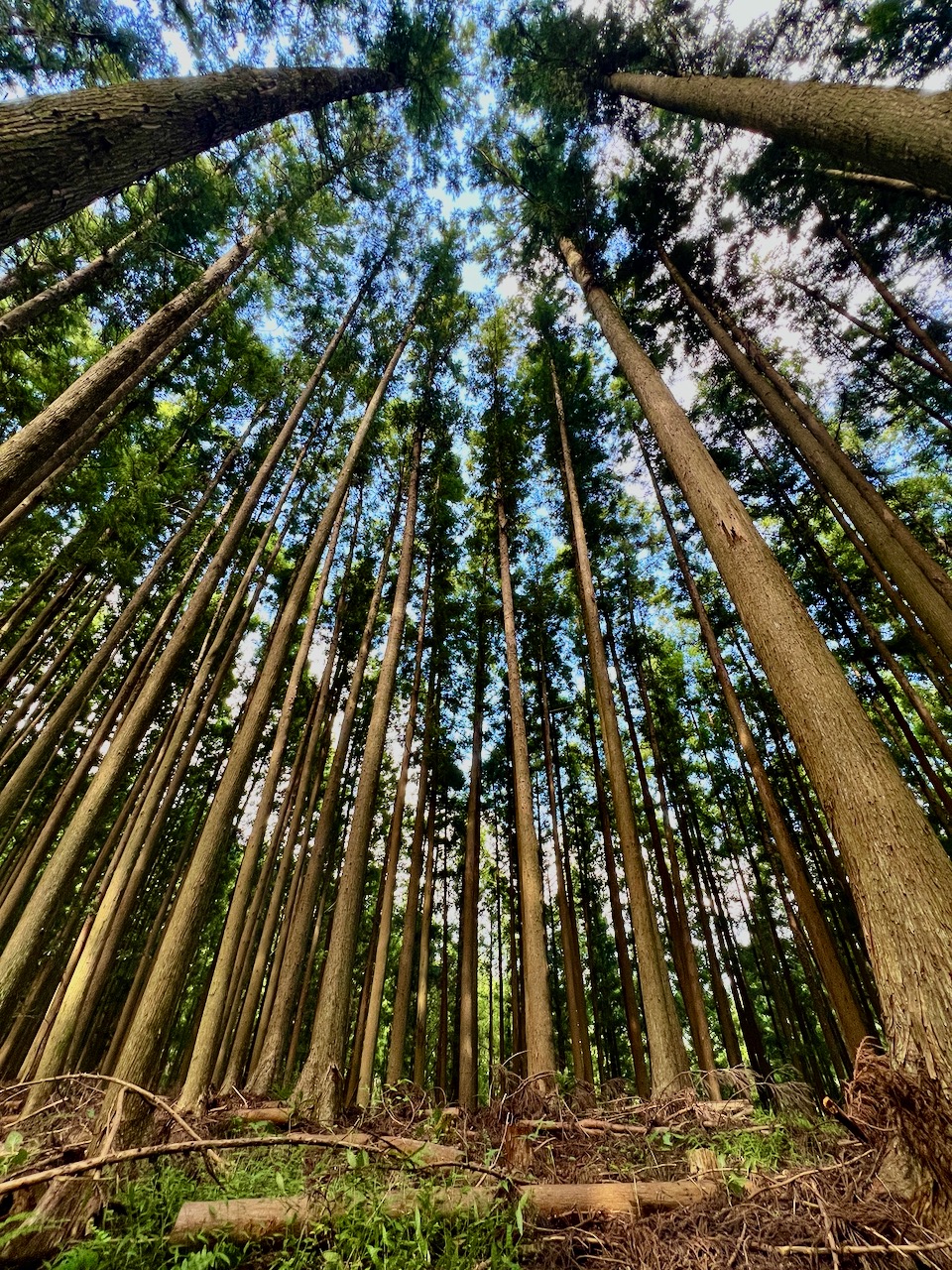
Just a sidenote about the scenery: while there were some beautiful vistas and the river was wonderful, the forest itself isn’t the most spectacular. It’s largely cypress (hinoki) and cedar (sugi), so pretty much a monoculture. There isn’t much undergrowth as it all dies from being in the shade, or under snow in winter. Compared to something like the Rockies, it doesn’t really compare in terms of looks.
But the beauty of the Kumano Kodo, at least the section we walked, wasn’t always in huge cinematic views. It was more in the small things: the shade, the shrines, the river, and the feeling of moving through an old route one hot step at a time.
We went up and down multiple times until we reached a roadside stop, buying lunch — somehow it was only 1pm and we were pretty much done with walking for the day — and enjoying taking off our shoes while sitting and recovering. We met an American woman who was doing a few days on the hike while she was on days off from the Osaka Expo.
From there it was a bit more of a walk to Chikatsuyu and our accommodation, which was fortunately near the supermarket where we stocked up on more food for the next day. We went to the accommodation, which had multiple rooms, and met the American woman again as she was also staying there. We had a bit of confusion trying to figure out which was our room as no one was there to greet us, but there was a miscommunication with the timings.
Anyway, we got our room, did some washing, then went for an early dinner at a nearby restaurant before climbing into bed.
Chikatsuyu to Yunomine Onsen: stamps, shrines and soothing waters
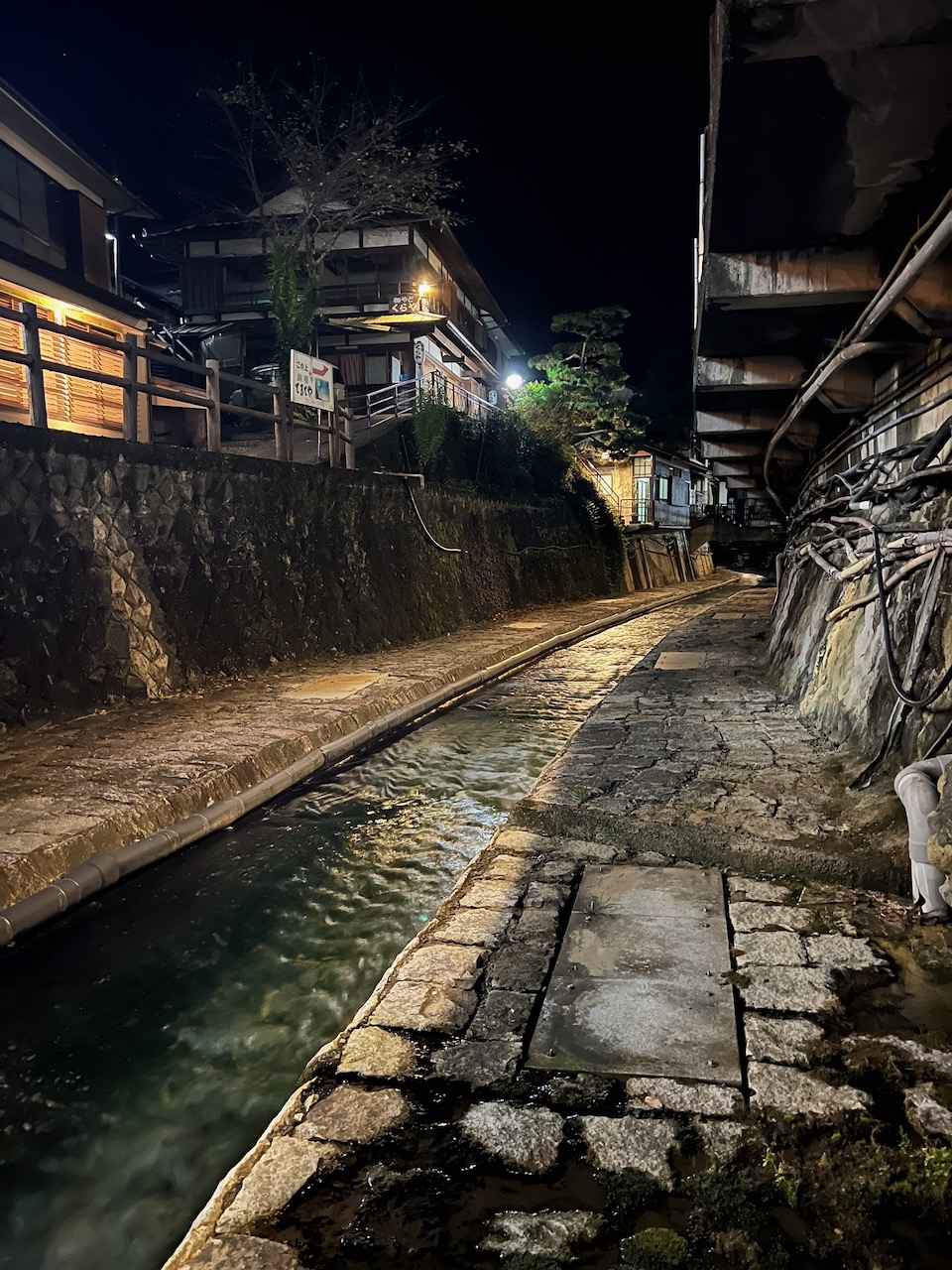
Day three we took a 15-minute bus from Chikatsuyu, skipping a section of the hike that wasn’t really going to be much different from what we’d already done, then hiked on from there to another stop.
I think it was during this section, during our lunch break at a rest area, that Shawn overheard a couple of guys from China talking in Mandarin about how they didn’t have any water left. There were no places along the hike itself where you could get drinking water, only in the towns, and these guys had miscalculated.
Overhearing their distress and checking with me that we had enough for ourselves, Shawn leapt in, in Mandarin, and came to their rescue. They were extremely grateful. Something similar happened when we were hiking in Canada and two separate couples had completely run out of water, so us Australians, loaded up with many litres, gave them some and saved lives.
After hiking to Honshinmon-oji, we had planned to just wait for the bus. By this time, my feet were blistered as hell and I couldn’t really go much further. We also needed to catch the one bus an hour so we could get to where we needed to go without walking a lot more.
However, I felt extremely old, unfit and much like a failure for not continuing on. Shawn, however, was keen to do more, especially so he could get more stamps. While I wanted to, there was no way I’d make it in time, so I stayed at the bus stop and took both our bags, while the spry monkey ran off to complete the last few shrines.
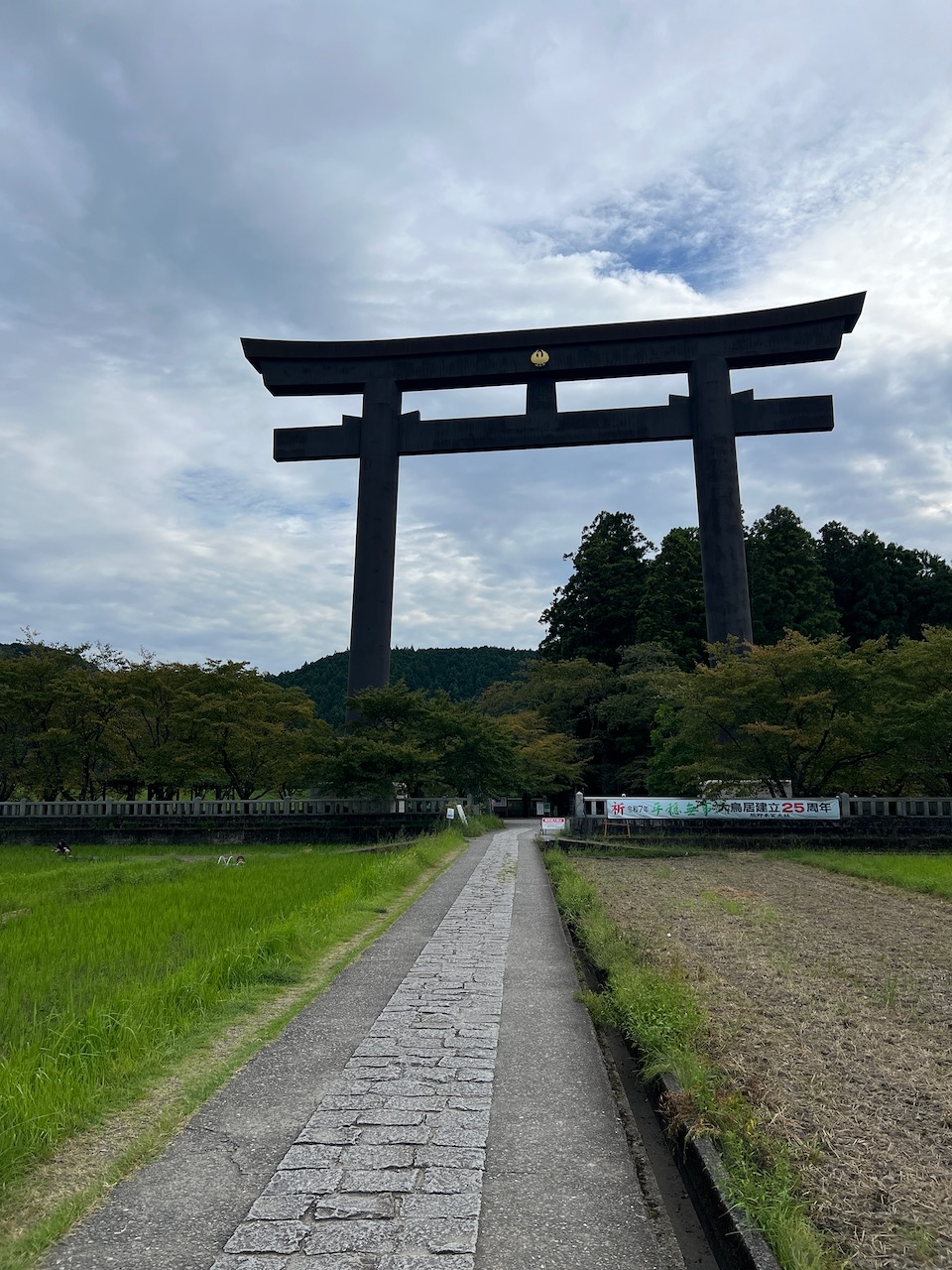
And he made it! It was pretty cool. He got on the bus at the right spot at the right time and we went to Hongu, where we checked out more shrines and got more stamps. We had considered walking the final few kilometres from Hongu to Yunomine Onsen, but even Shawn was keen to take the bus and spend more time at the ryokan, so that’s what we did.
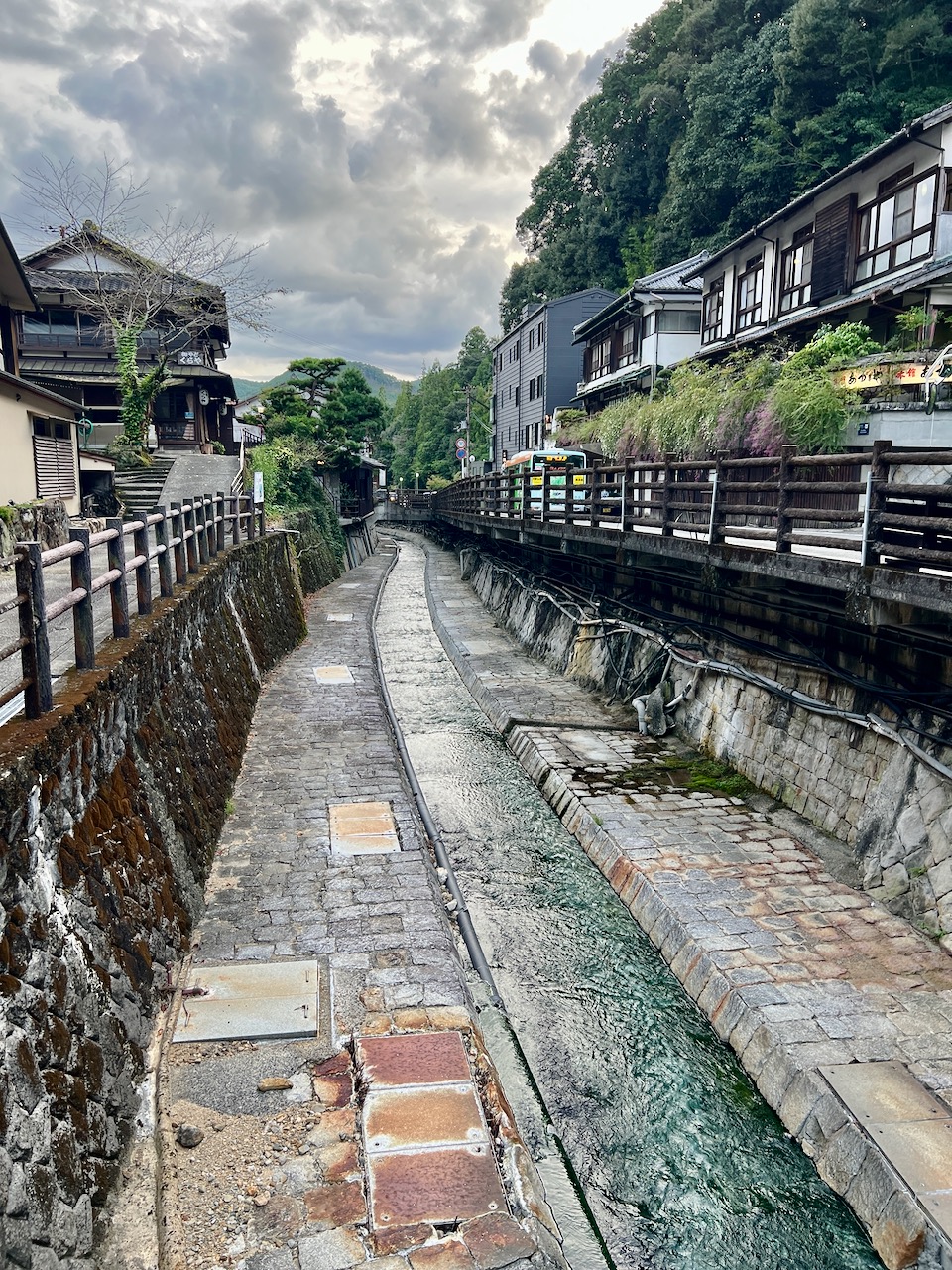
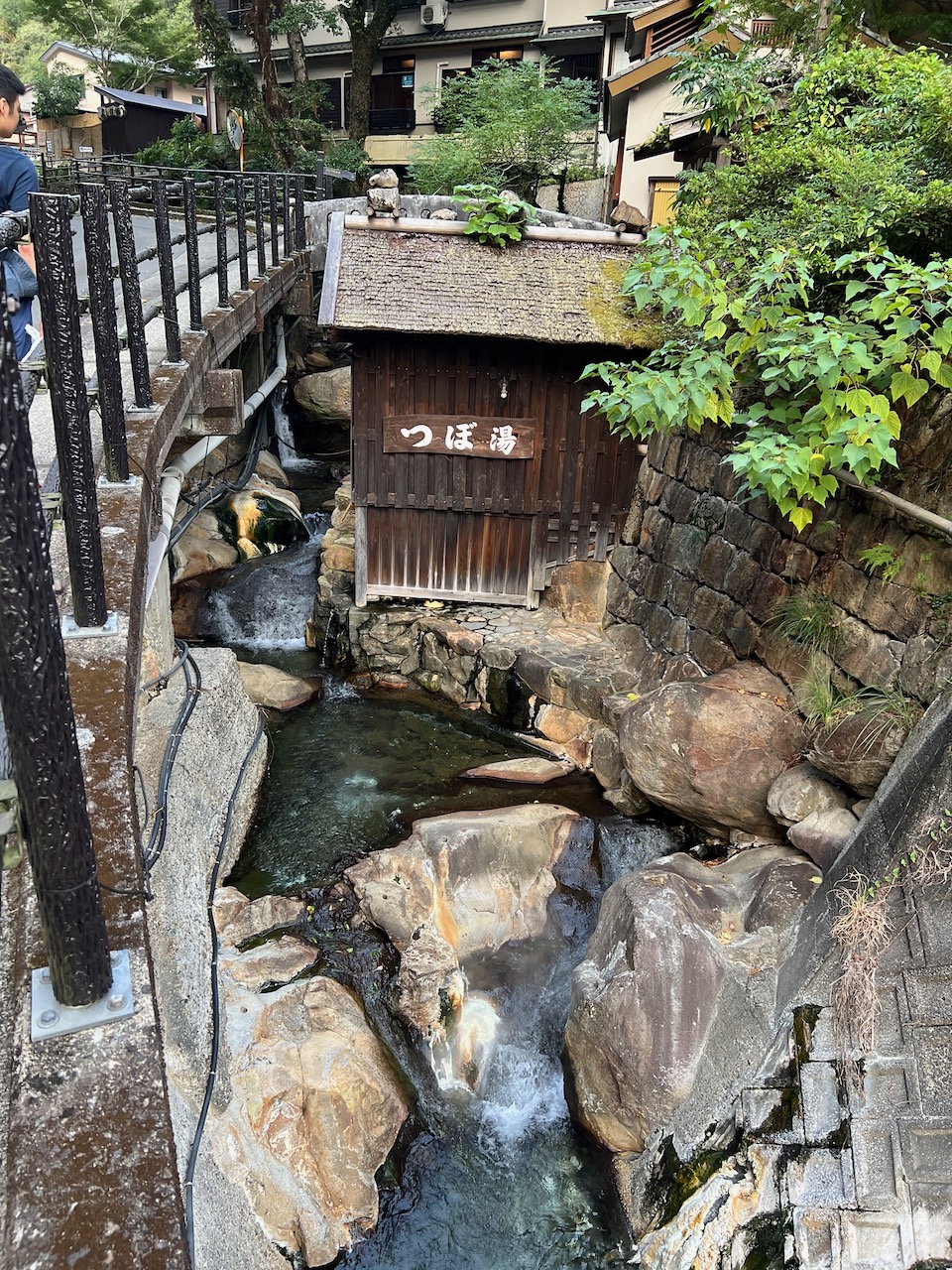
Yunomine Onsen is beautiful. There’s a hot spring running through the centre of the town too. We arrived and went to the ryokan we’d managed to book. Ideally, we would have stayed in ryokans every night, but there wasn’t the availability. However, we were so glad we got to stay at this one.
The rooms were traditional Japanese rooms with tatami mats and there were indoor and outdoor onsens. We took advantage of the private outdoor onsen as soon as we could, booking it out for the hour and enjoying the very warm water and a chance for our tired feet and sore shoulders to relax.
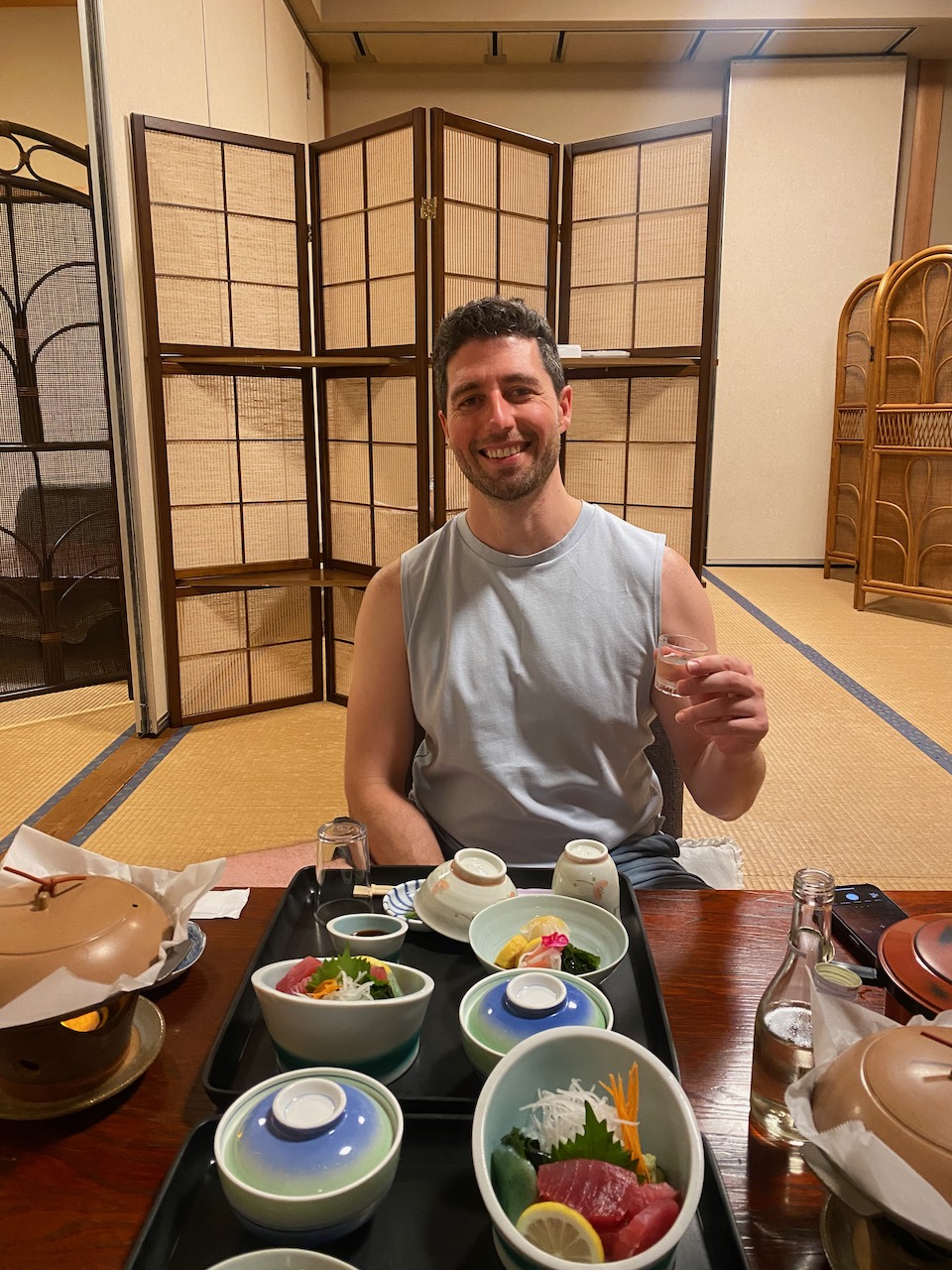
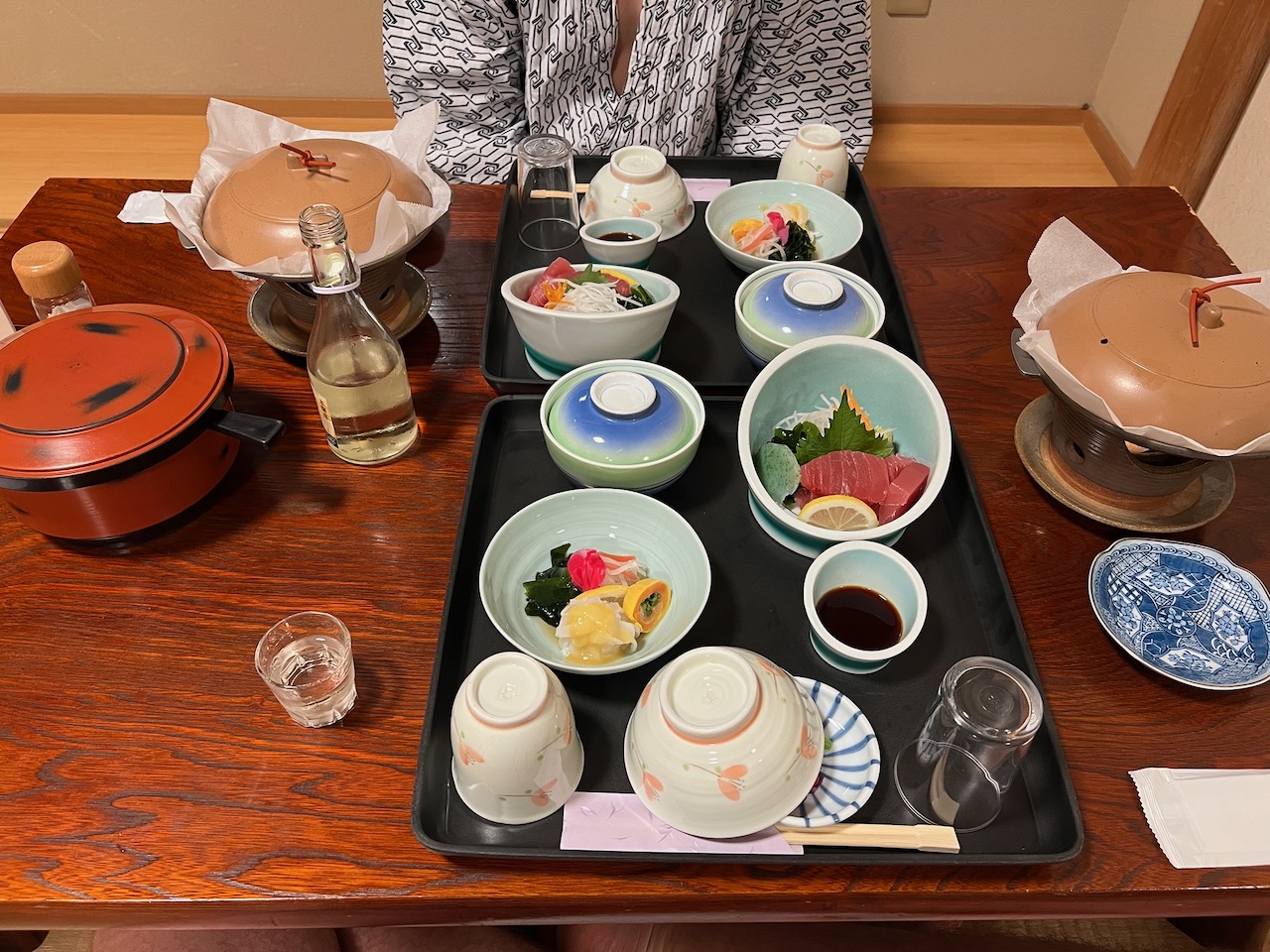
Afterwards, we had dinner in the dining room, sitting on the floor and being served the most delicious Japanese meal, helped along by local sake and two bottles of plum wine. It was such a nice experience and a beautiful way to end the hike.
Yunomine Onsen to Tokyo: from mountain peace to hotel horror
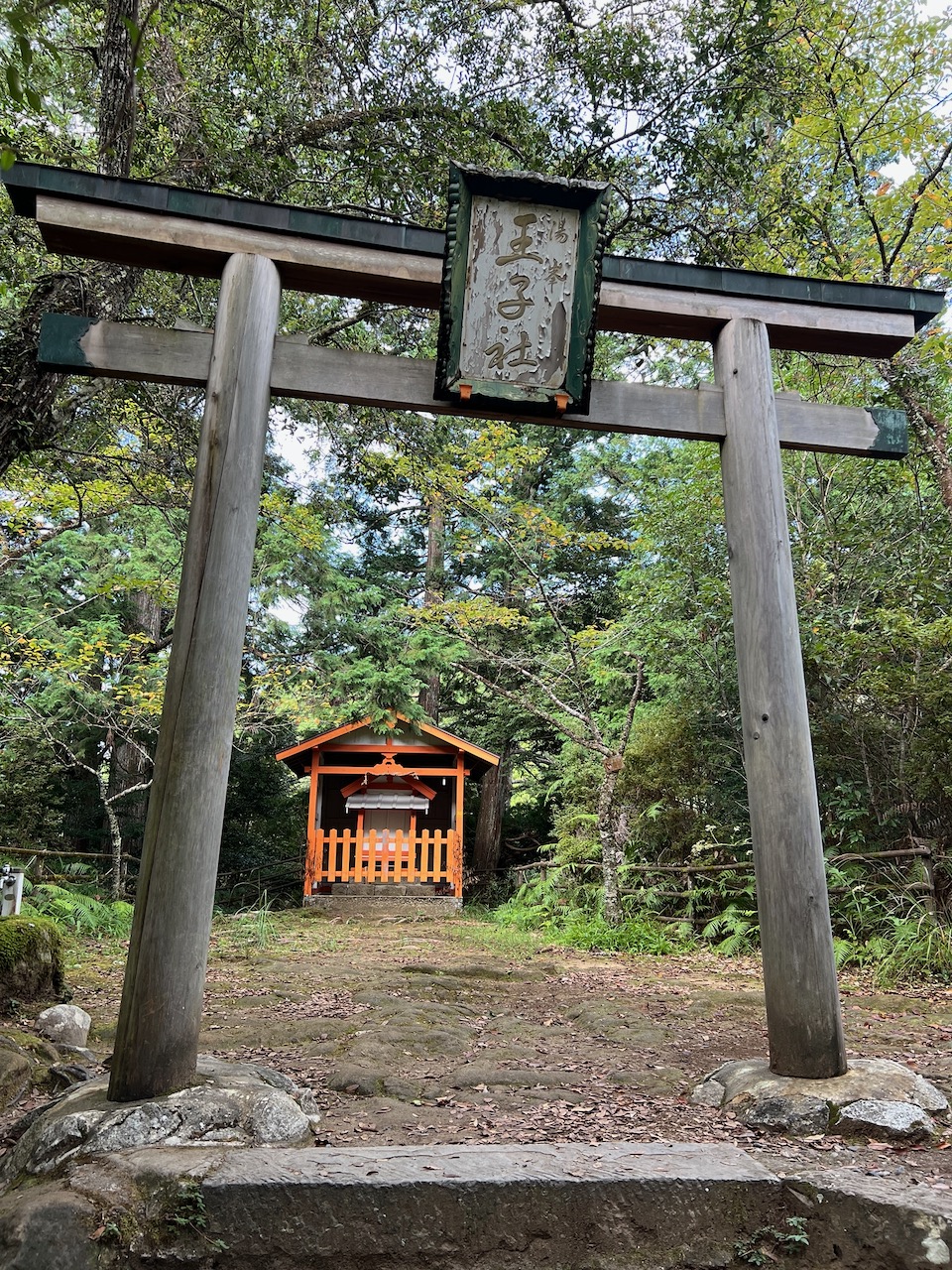
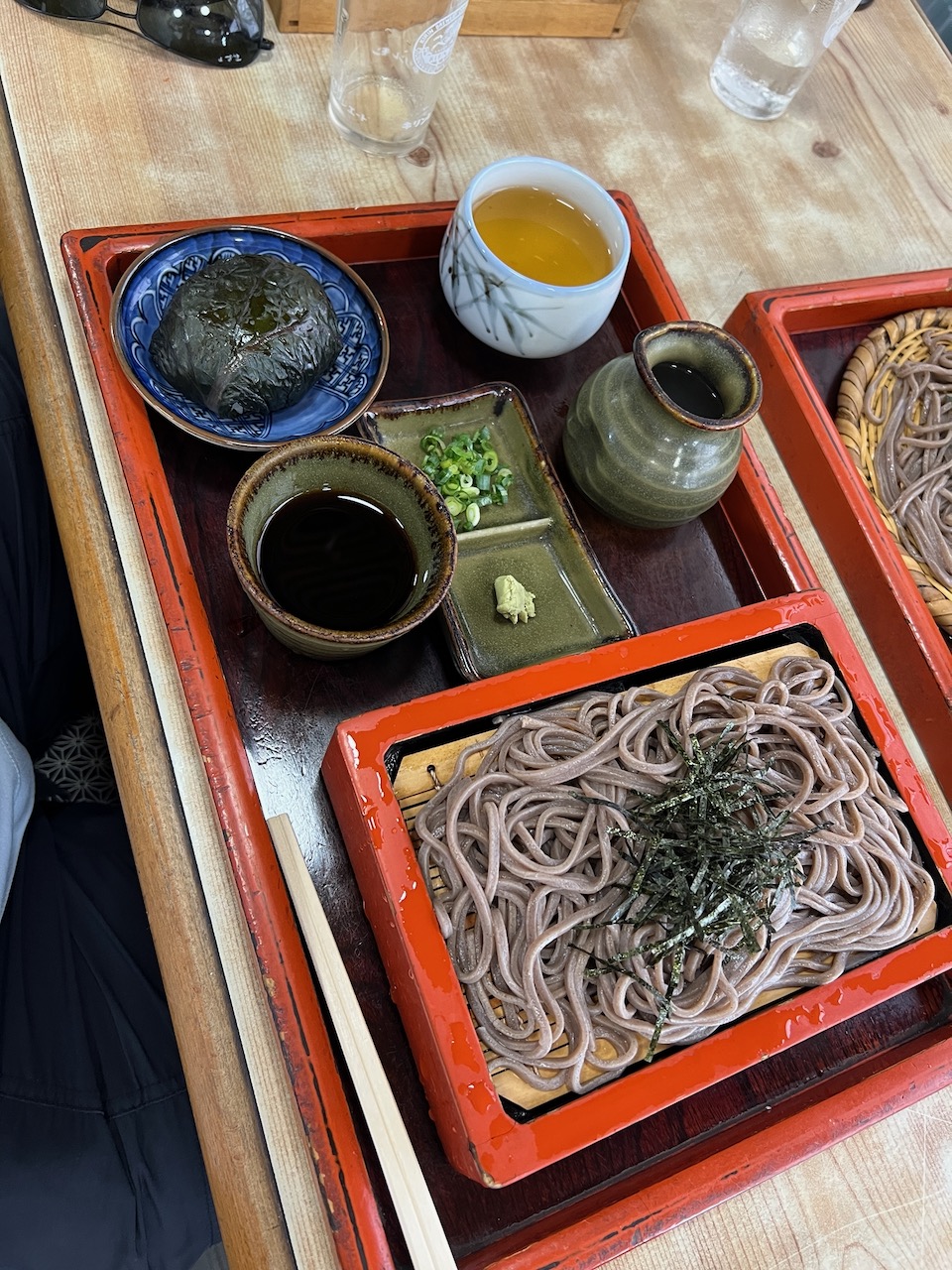
The next morning we had enough time for another soak in the outdoor onsen and another delicious meal before getting on the bus and being taken to Shingu. We were fortunate that we got on where and when we did because we were able to get seats. The bus soon filled up. Forty-five minutes later we arrived in Shingu with time to spare.
Maybe it was the heat, but the peace of the mountain seemed to vanish. Whatever the reason, there were a few tense hours to kill while we went in search of food and supplies and waited for the train. We did have some good food though so that was a highlight.
We then caught the train from Shingu to Nagoya, bought more food, then took the shinkansen to Tokyo. It was a long day of travelling, only to then arrive at our hotel, check in, and find a used condom stuck to one of the cushions.
It took a while for someone to come and sort it all out, stripping all the linen and removing the cushions, and giving us the equivalent of about $20 for our trouble. I looked into finding another hotel but it would have cost about three times what we were paying. After staying in such nice places on the trail, it was a bit of a hard landing.
Still, we made it to Tokyo. We had walked a good portion of the Kumano Kodo, collected our stamps, soaked our feet, eaten beautifully, and learned several important lessons about luggage, water, hiking poles and hotel cushions.
I’d definitely hike in Japan again, though probably in Hokkaido next time, in search of Japanese cranes and, ideally, with a much lighter backpack.


What do you say, eh?