What a gem! On Thursday morning we left Esperance around 8 to drive to the eastern portion of Fitzgerald River National Park, near Hopetoun. I’d not heard much about this national park, which is surprising, because it is HUGE and it contains about 20% of Western Australia’s floral species—and boy, does it show.
The drive took about two hours to the main gate, which then permits entry on bituminised roads into a tiny fraction of the national park. Most of it is along the coast so you get to see a lot of beaches, but a few stops take you to the base of hills or to the Hamersley Inlet where the river almost meets the sea.
One of the things that strikes you as you enter the park is the huge amount of (presumably) untouched land this national park encompasses. It’s got rolling shrub-covered hills as far as the eye can see. To get to some of these out of the way inner recesses, you’d definitely need a 4WD, but seeing as we don’t have one, we stuck to the bitumen and still enjoyed ourselves.
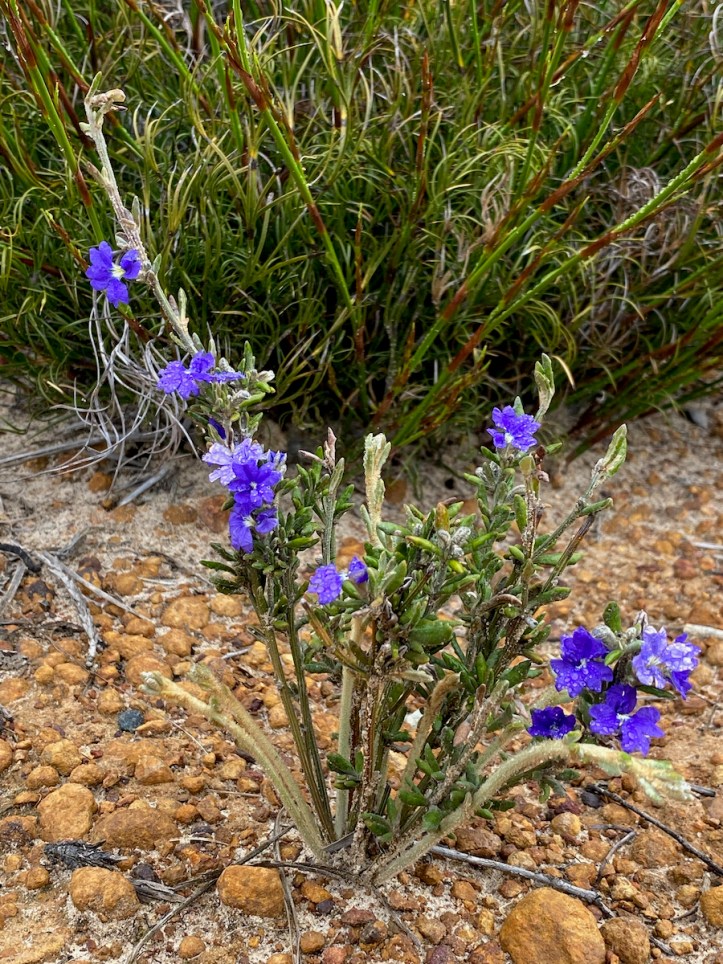
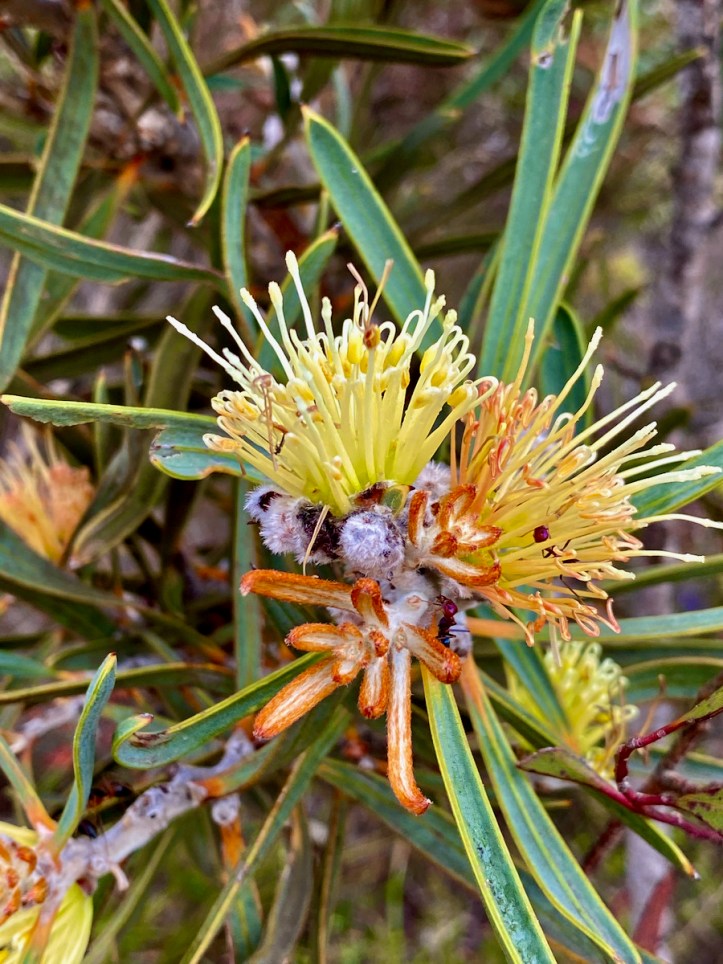
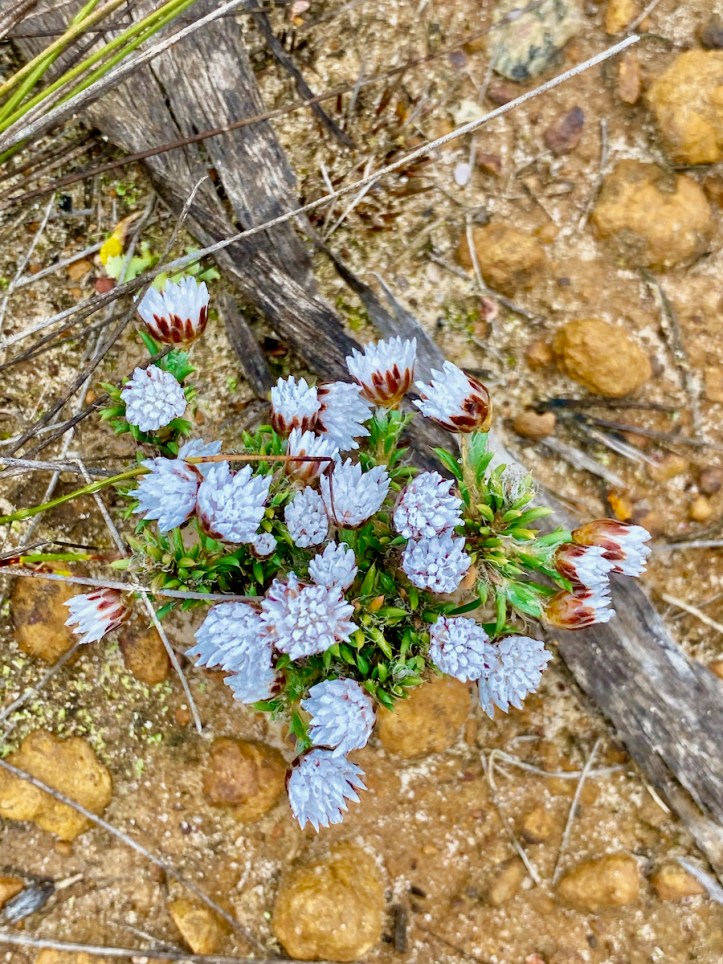
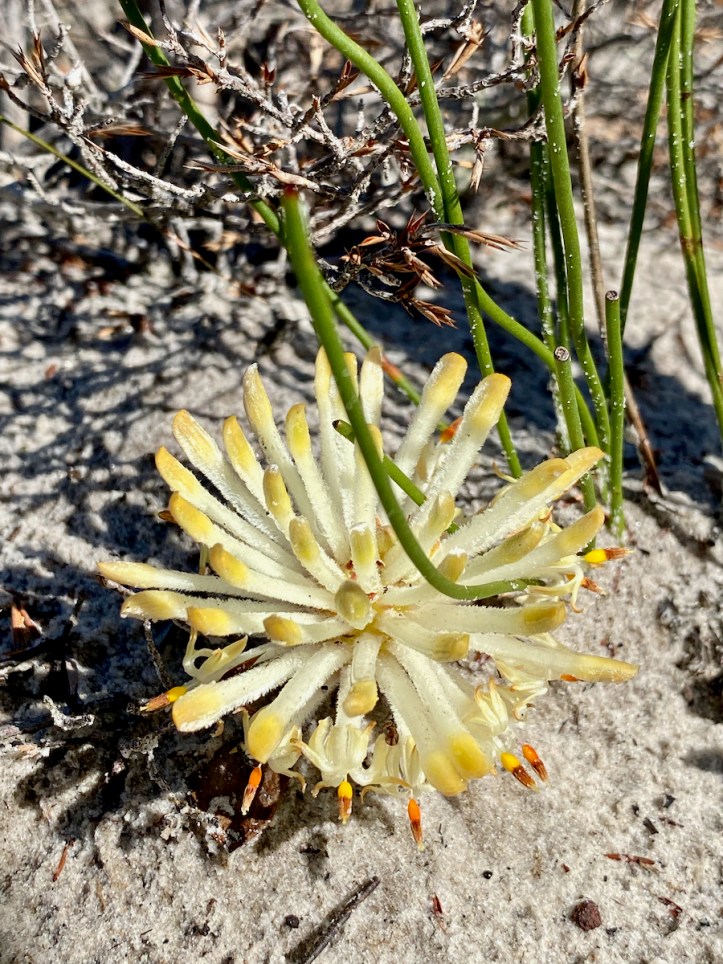
It’s wildflower season so the place is bursting with colour. Royal Hakea makes a big appearance as do a lot of other small shrubs and banksias. It was such a treat! Also, there weren’t many other people there that we could see—a couple of caravans and one big 4WD but that was about it.
The weather had taken a turn overnight so we were driving into some pretty dark clouds, which made a stark contrast with the sunshine of the day before. We knew we were on limited time before the heavens opened and the rains came.
We stopped at the first lookout—the name of which I can’t remember but it was on the side of the road and had a short trail—taking in the view and the little inlet that’s on this side of the park. We then went to the end of the bitumen road at Hamersley Inlet.
This is where the river forms a lake and is (I presume intermittently) cut off from the sea. There are a few walks that start from here, including the Hakea Trail which takes about two days each way and involves camping. Perhaps something to attempt never.
We did the shortest walk possibly, walking through coastal scrubland, keeping an eye out for snakes. We didn’t see any snakes, but what we weren’t expecting was the sudden eruption out of the bushland of a giant Western Grey Kangaroo that I’d startled. It bounded down the path, scaring us half to death. Valiantly we continued on.
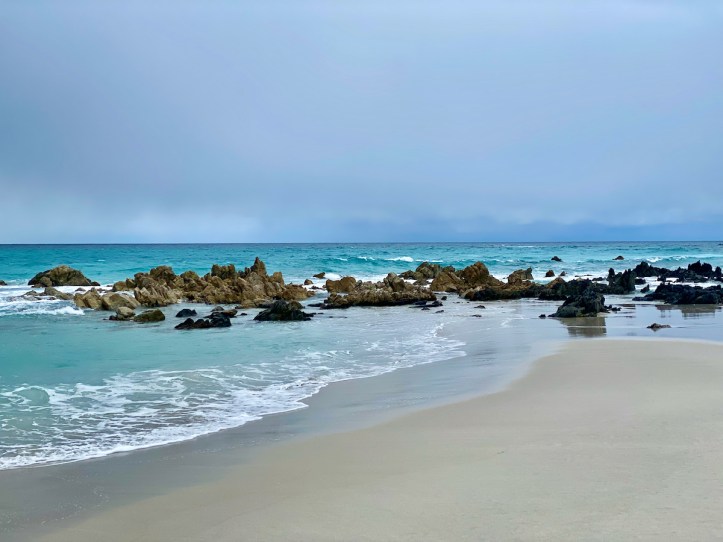
We reached the end of the 1.4km trail, emerged onto the beach, and looked at the waves crashing onto the rocks and the dark rain clouds bearing down on us, and decided it would be best to head back. Walk done, we returned to the car and drove off to the next lookout.
This one had a short walk to the edge of the cliff where they’ve built a nifty lookout out to the Southern Ocean. Sadly, no whales, but plenty of wildflowers along the way. When we returned to the car, Glen whipped up some sandwiches from the supplies in the back of the car, which were well received.
Stomachs filled, we got back in the car and drove to the car park at the base of East Mt Barren, which was when the rain decided to really let rip. The climb up to the top of the mount takes between two and three hours, but given the rain, and the resultant slipperiness of the rocks, we didn’t proceed. Something for next time!
Apart from checking out some beaches, which we’d seen a lot of, there wasn’t much else for us to do on this side of the park, especially with the rain coming in, so we set off for the western portion. This involved a quick stop at Ravensthorpe for fuel and a look at the silo bins featuring Amok Island art.
It took three hours to reach the other side of the park, going around the perimeter. Ominously, a sign at the start of the turn off road to the national park (and the accommodation where we were staying) said the park roads were closed due to the rain.
Fortunately, we were able to make it to Quaalup Homestead where we were staying for the night. Most of this part of the national park is unsealed road, which was fine for us to drive on, but apparently when the rains come, Parks and Wildlife close the park to reduce the spread of Dieback, which is a big problem.
Unfortunately, this meant we weren’t able to visit any of the western part of the park, including a stop at Point Ann where, at this time of the year, you can reliably see Southern Right Whales. In fact, people stay at the homestead had been out there only the day before and seen about ten whales.
We stayed the night at Quaalup Homestead which abuts the national park and is resplendent with wildflowers and wildlife. All of the female kangaroos that live around the homestead had joeys in their pouches, of which we saw about three. A real highlight!
Unfortunately, on Friday, the national park roads were still closed so we missed out on seeing Point Ann, but that just means we’ll have to go again another time. From Quaalup we headed west to Albany.
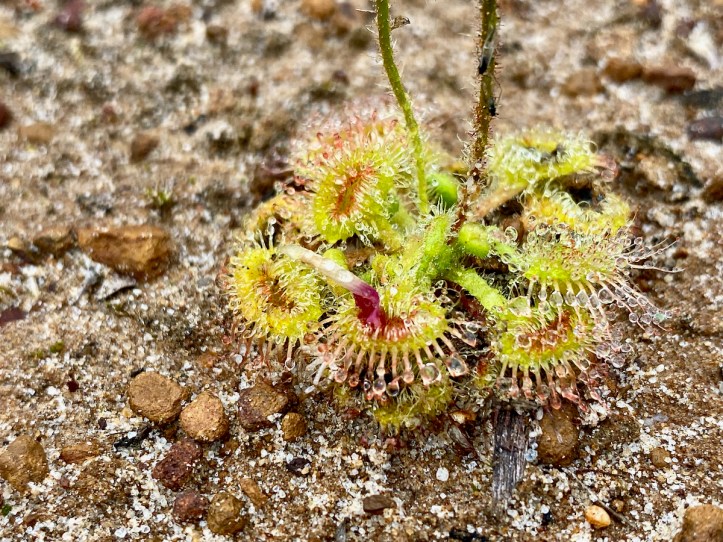
Drosera! 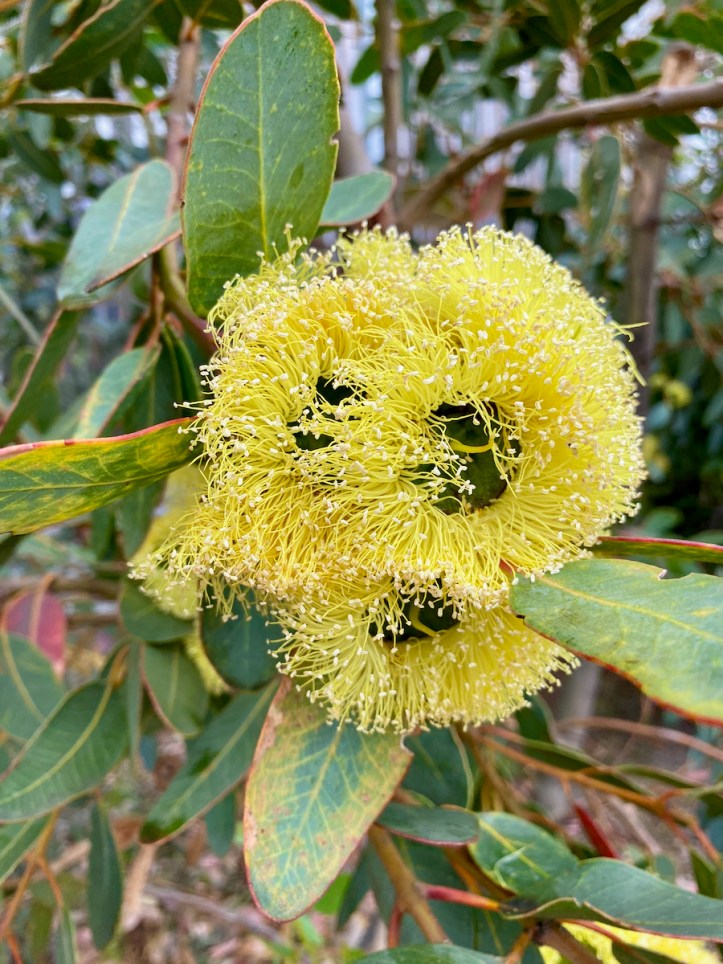
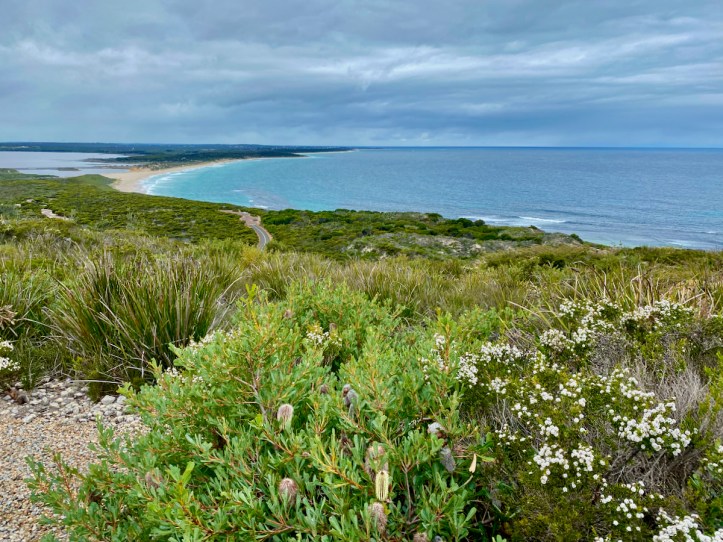
View from Barrens Lookout 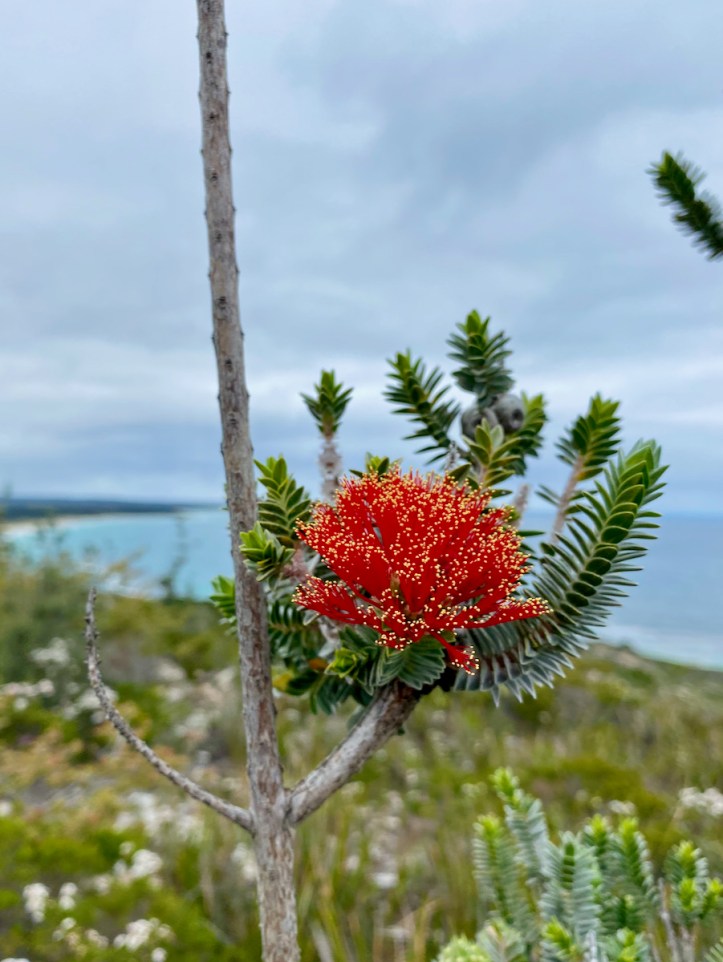
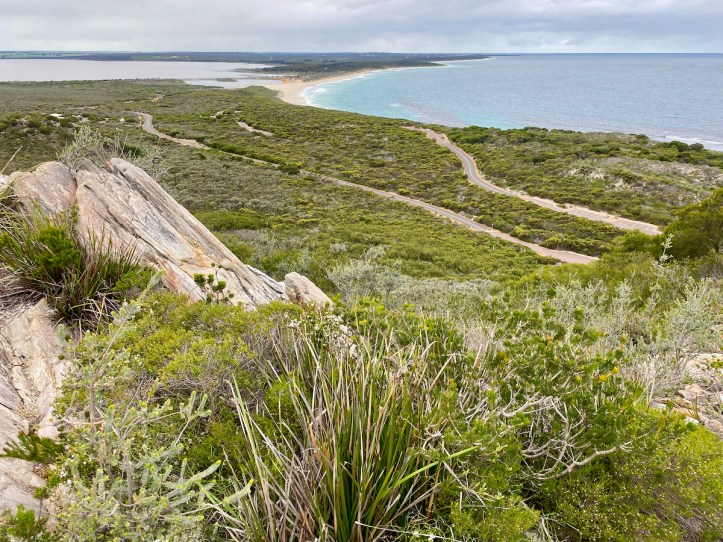
View from Barrens Lookout 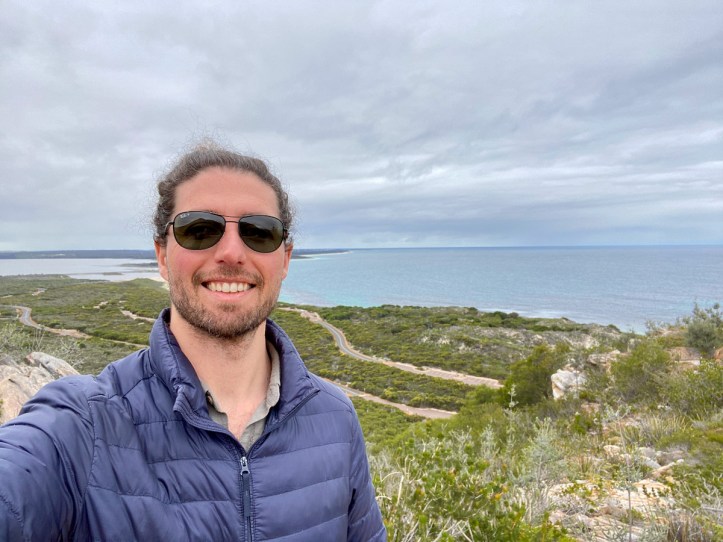
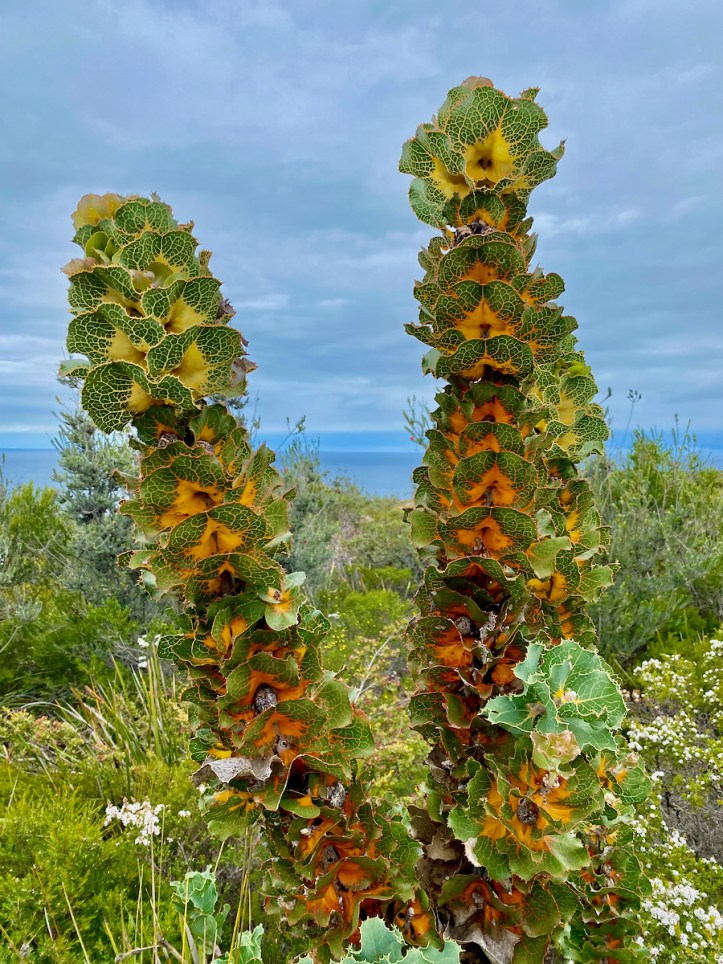
Royal Hakea 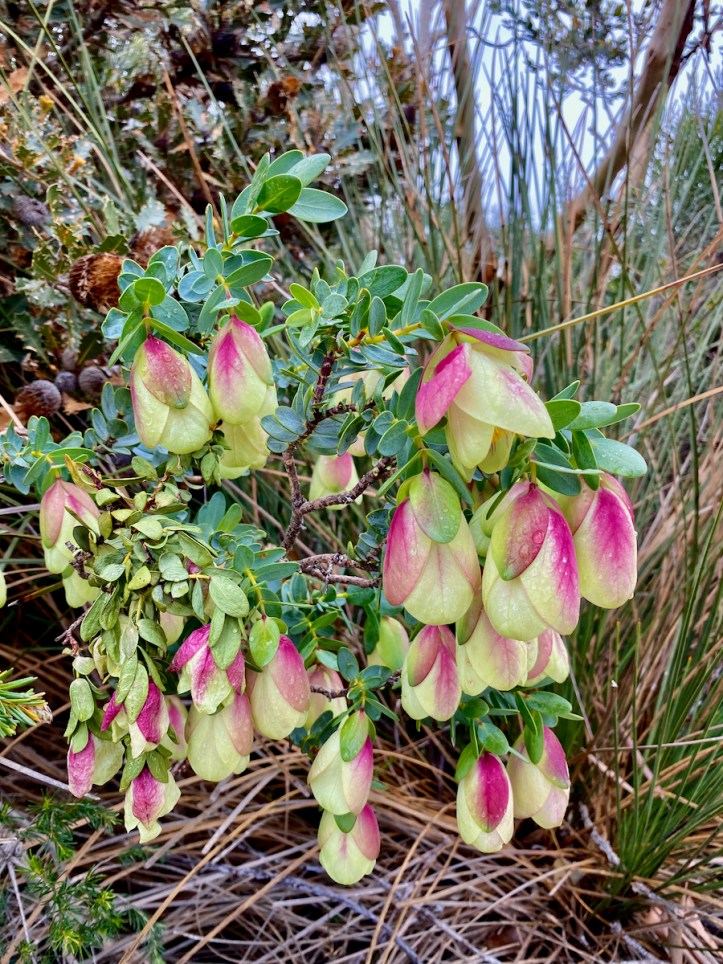
Quaalup Bell 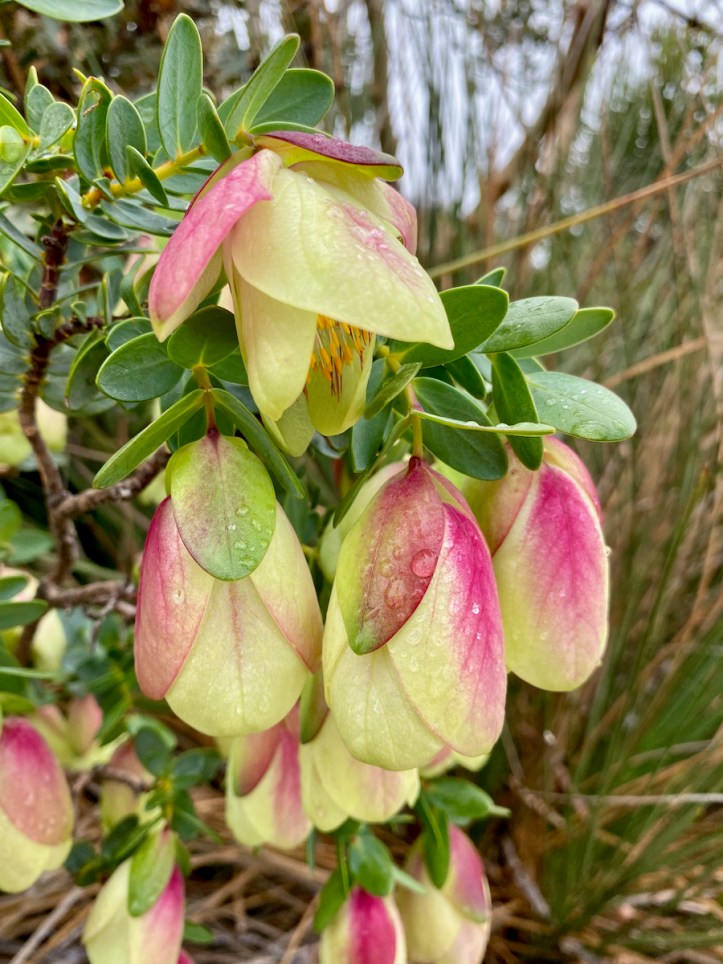
Quaalup Bell 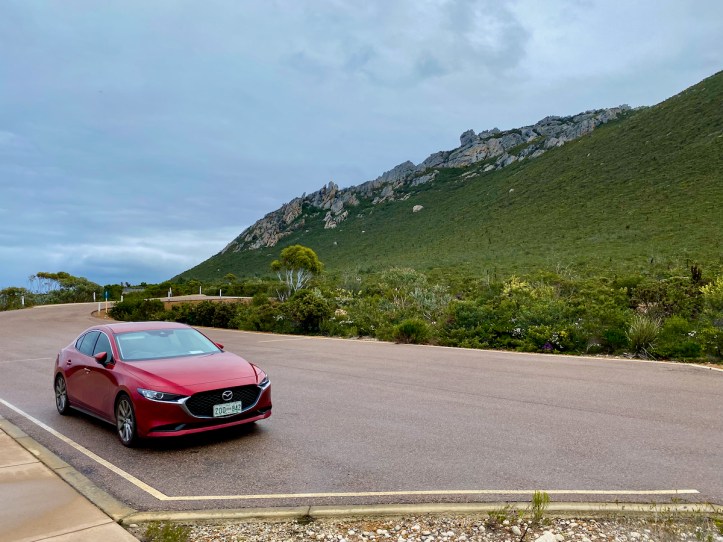
Near Hamersley Inlet 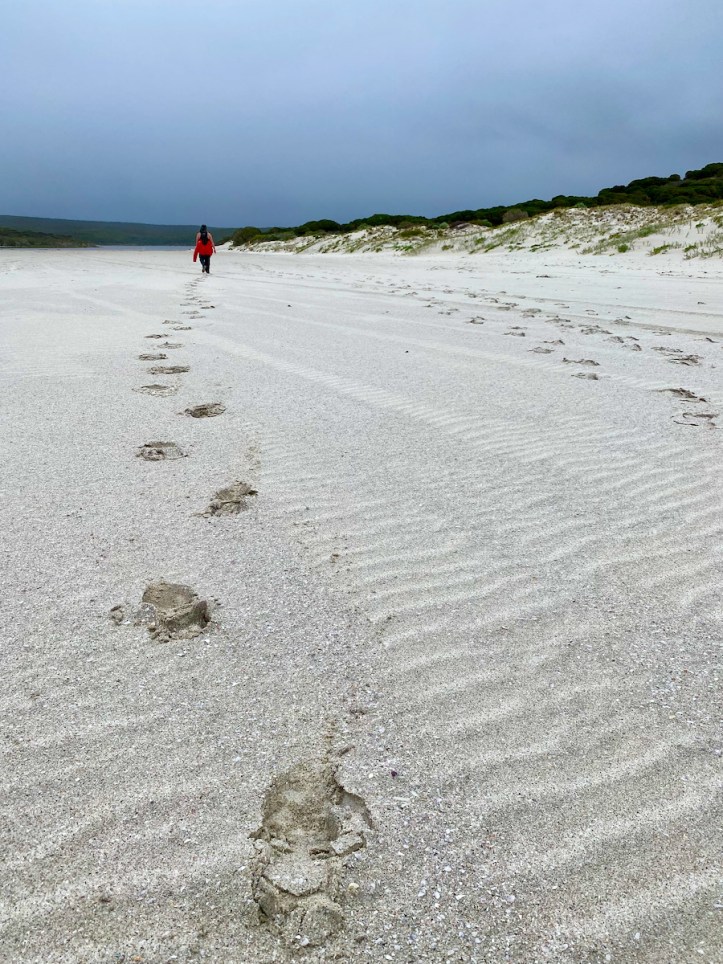
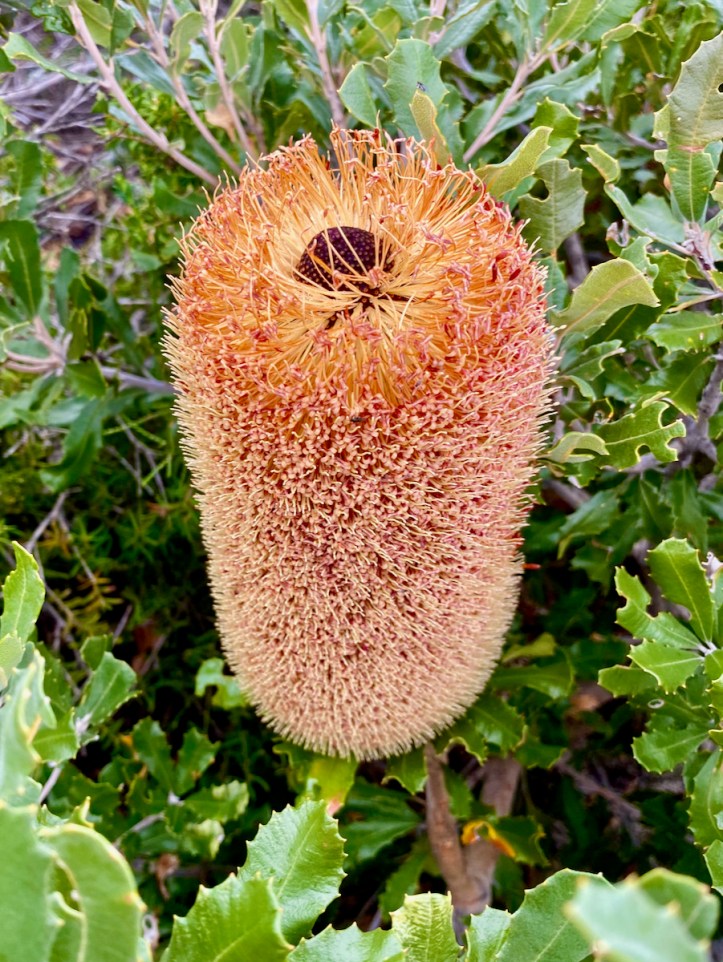
Banksia 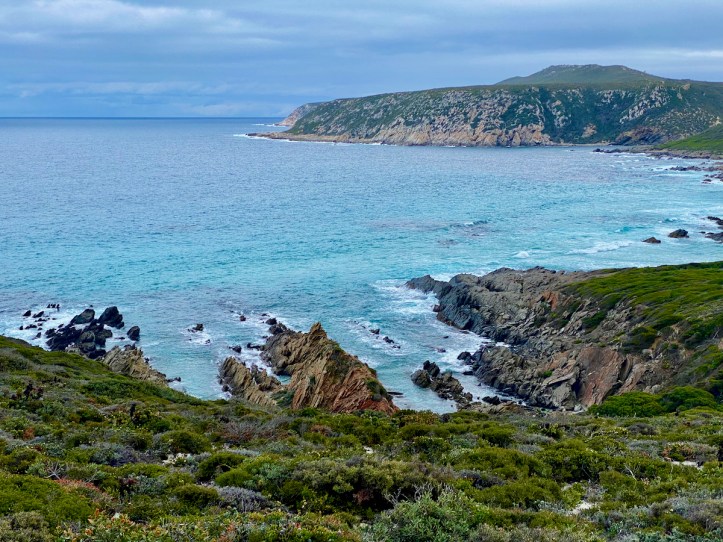
Cave Point Lookout 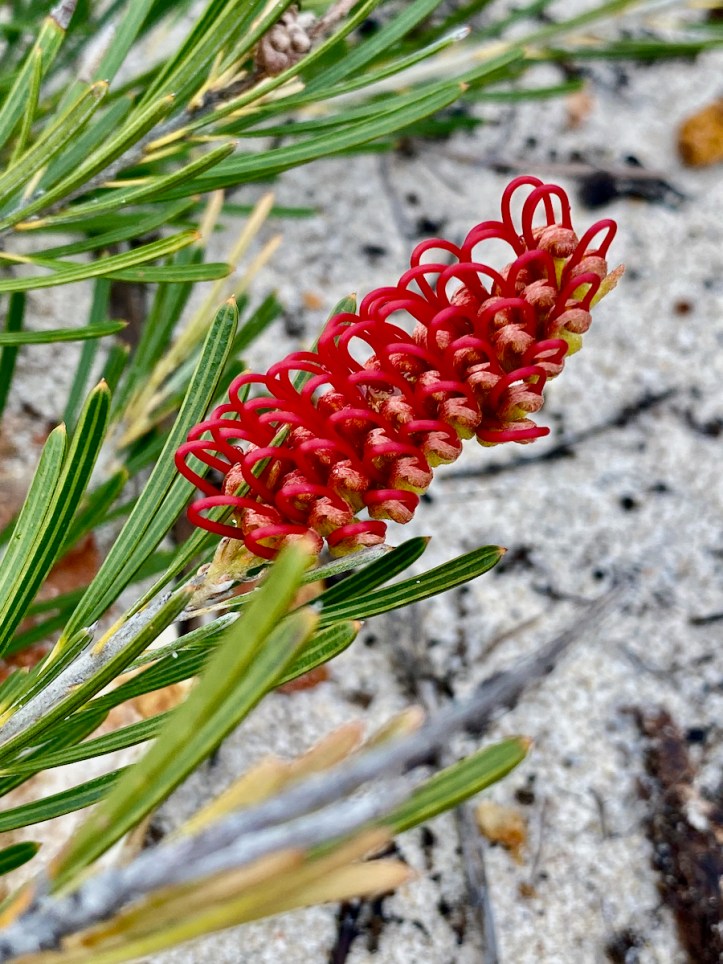
Grevilia 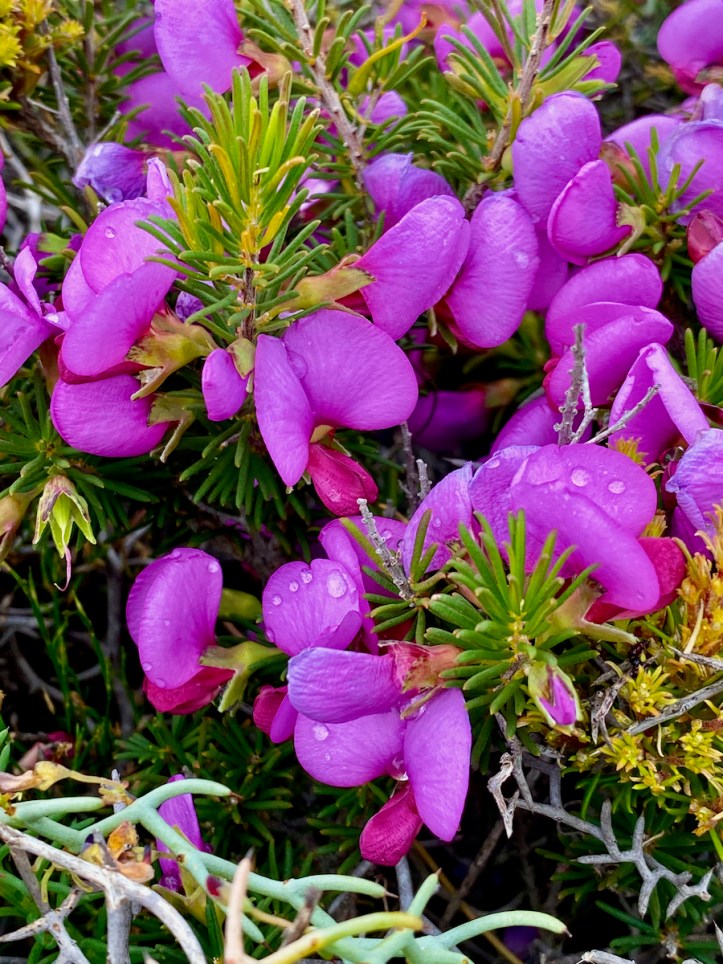
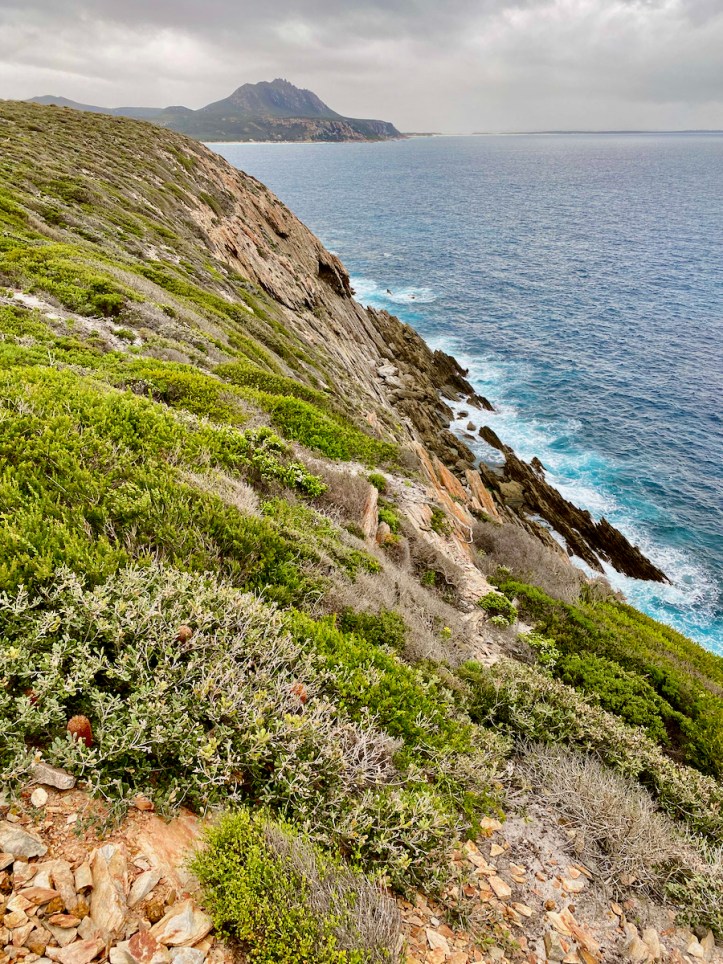
From Cave Point Lookout 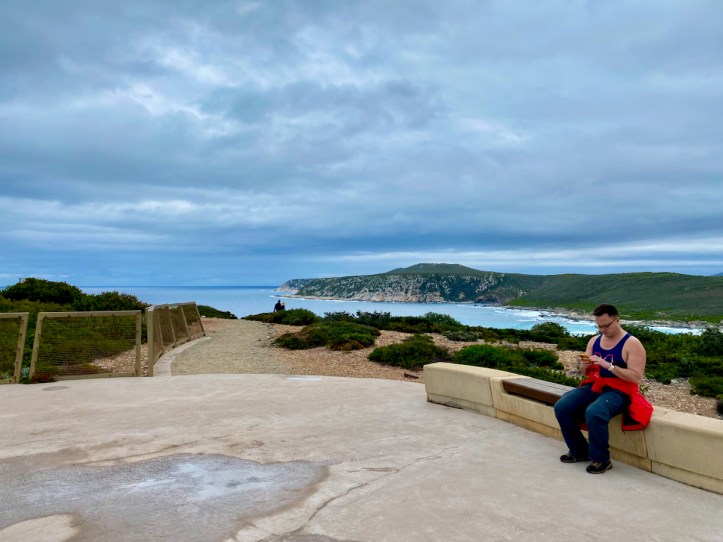
There are Pokemon, even here. 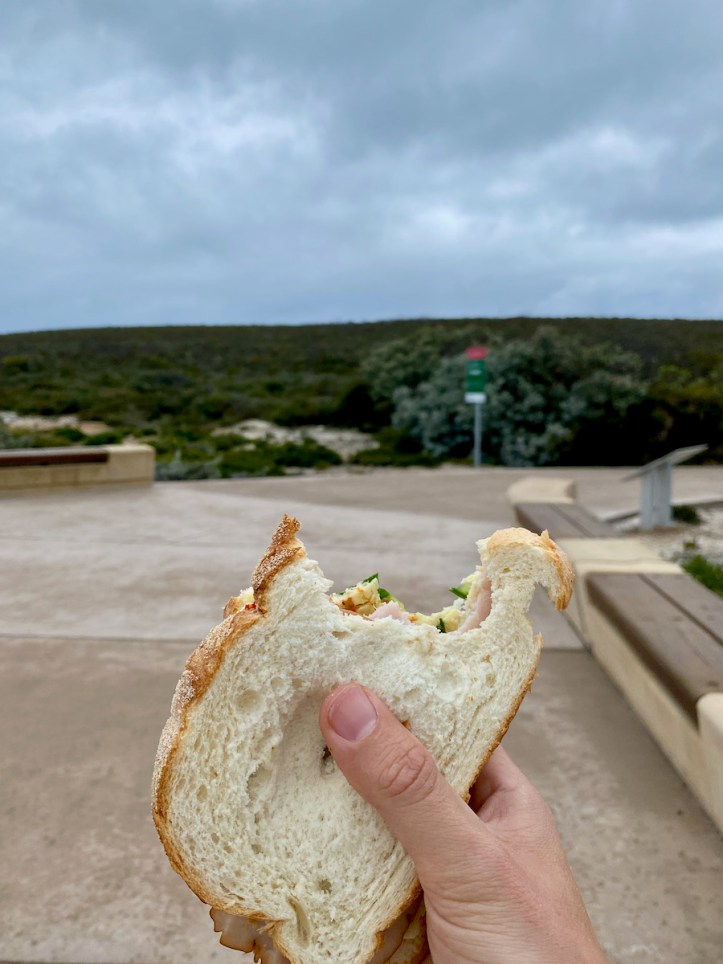
Lunch time! 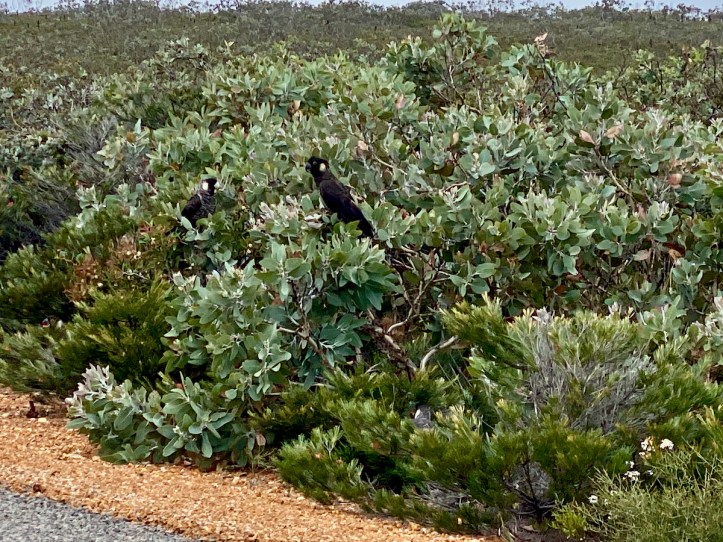
White-tailed Black Cockatoos 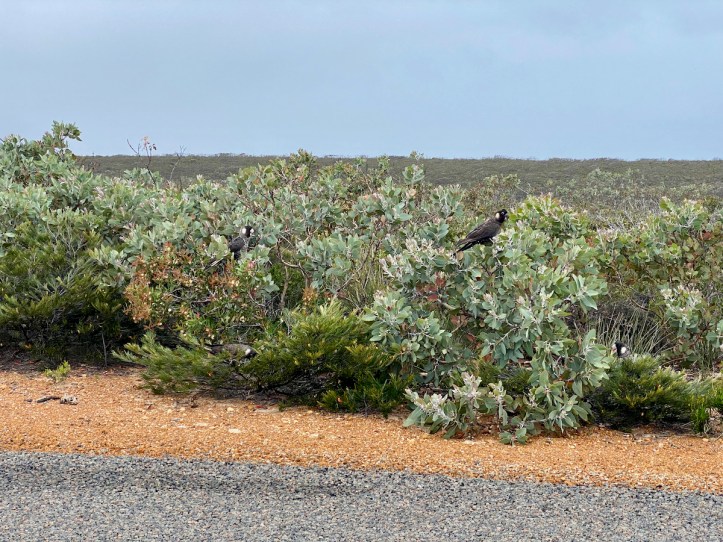
White-tailed Black Cockatoos 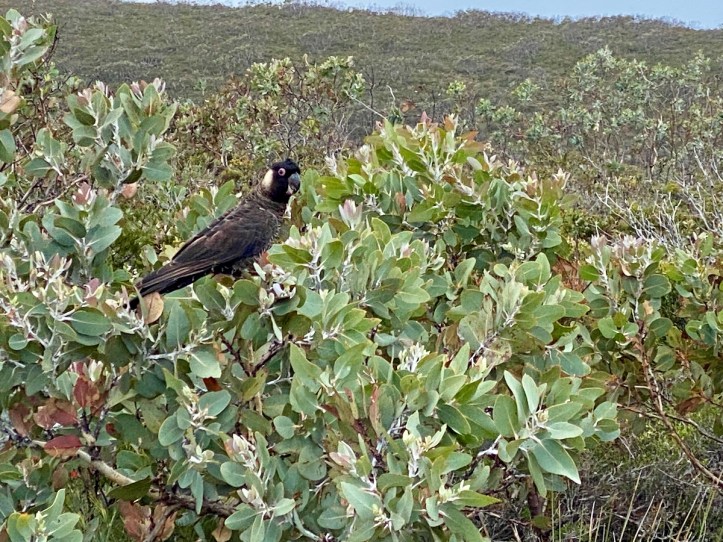
White-tailed Black Cockatoos 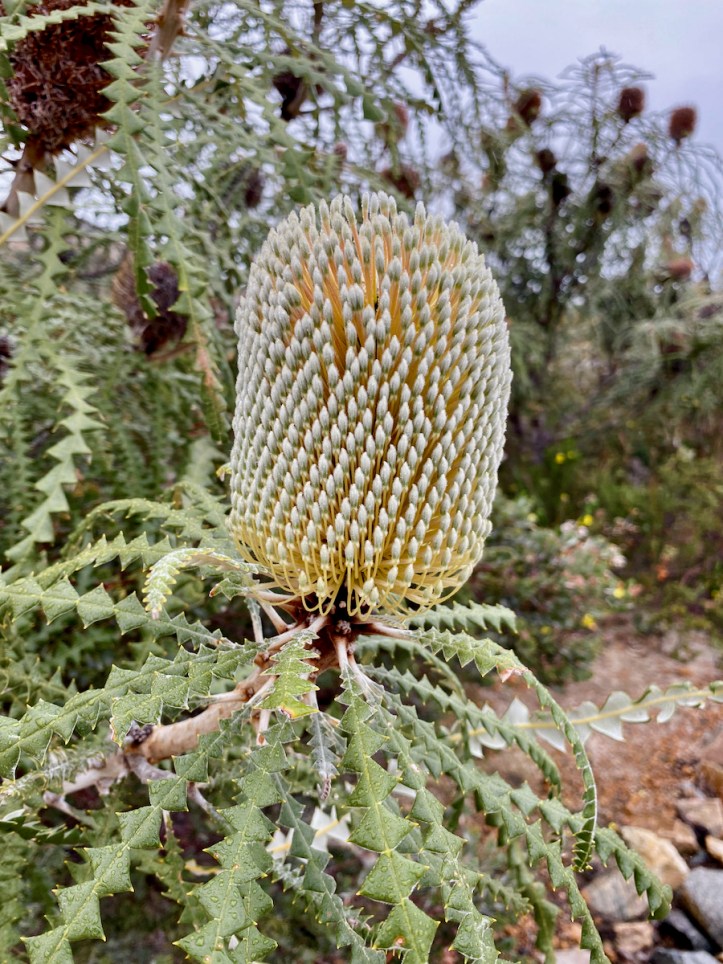
Banksia 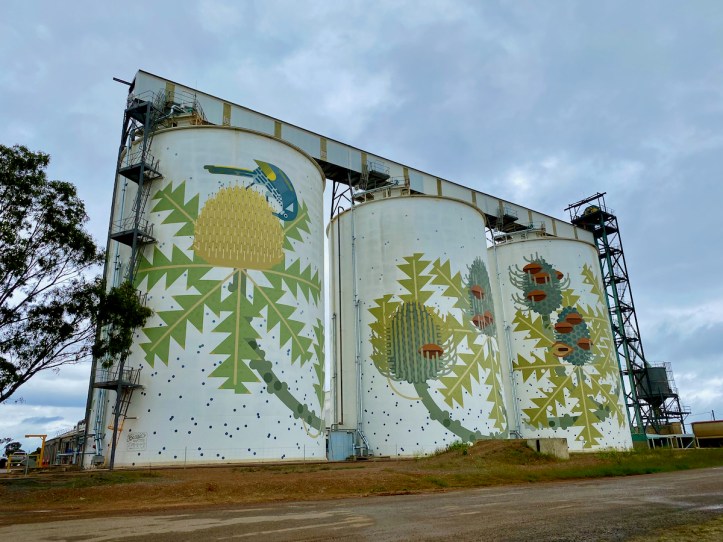
Public Silo Art Trail, Ravensthorpe 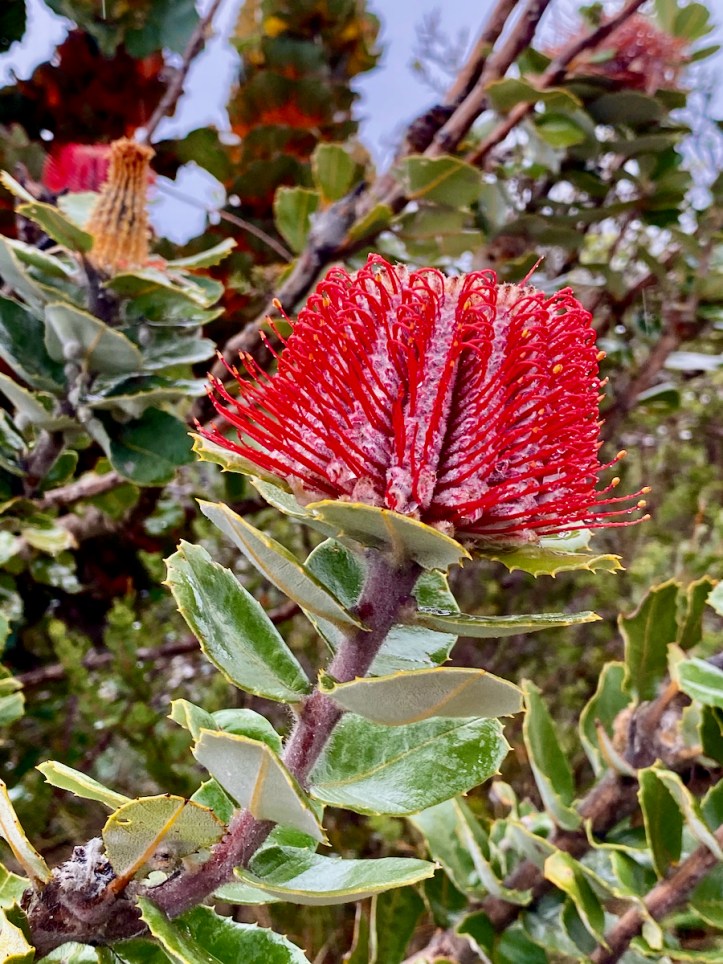
Scarlet Banksia 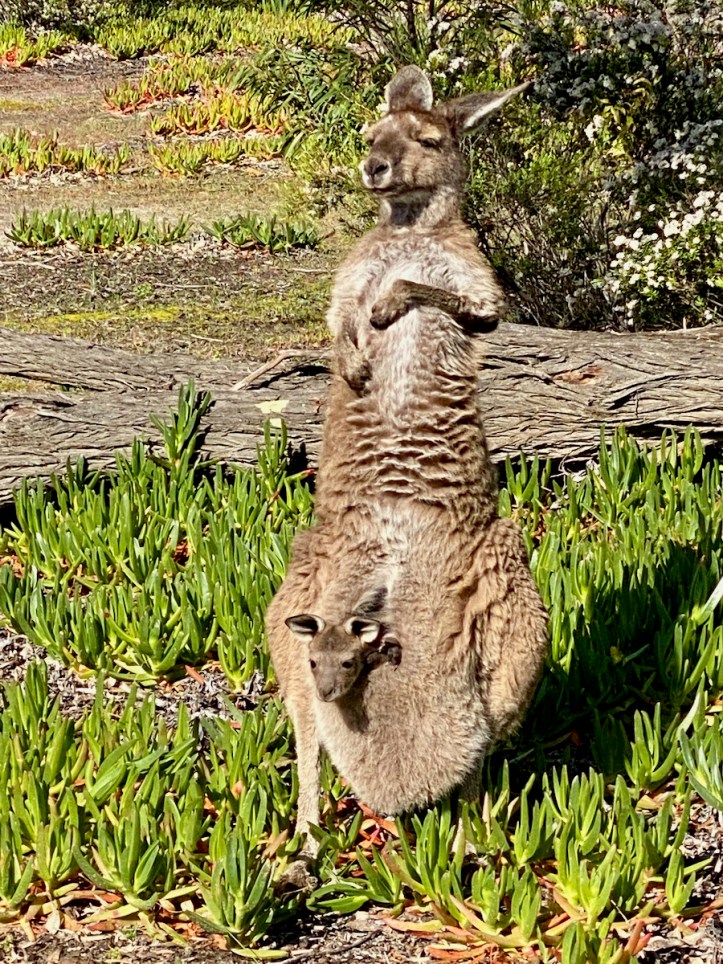
Kangaroo and Joey 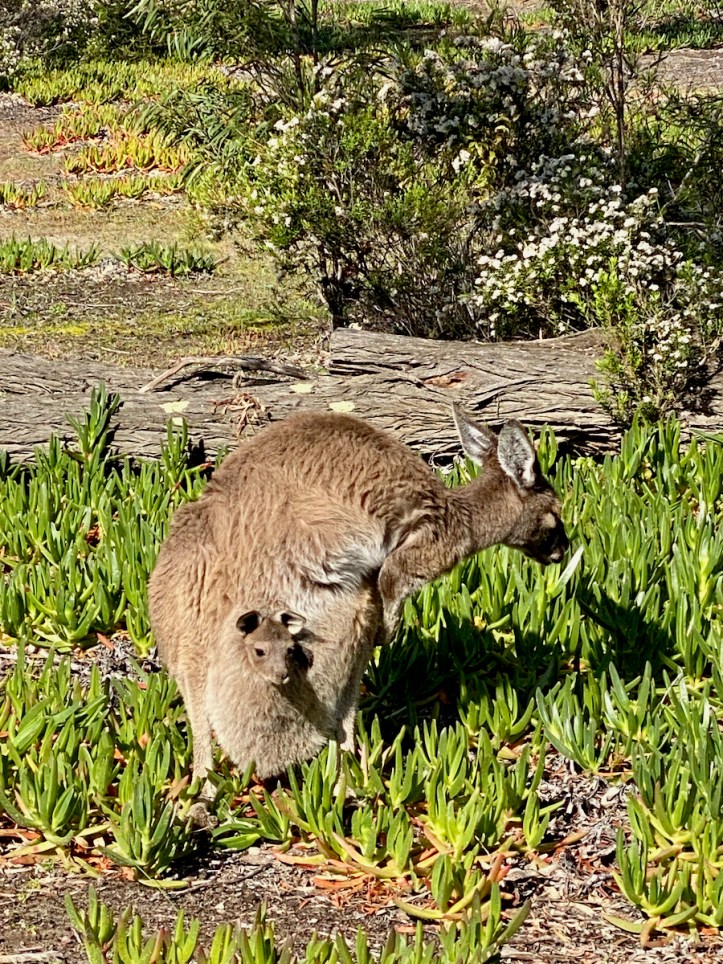
Kangaroo and Joey 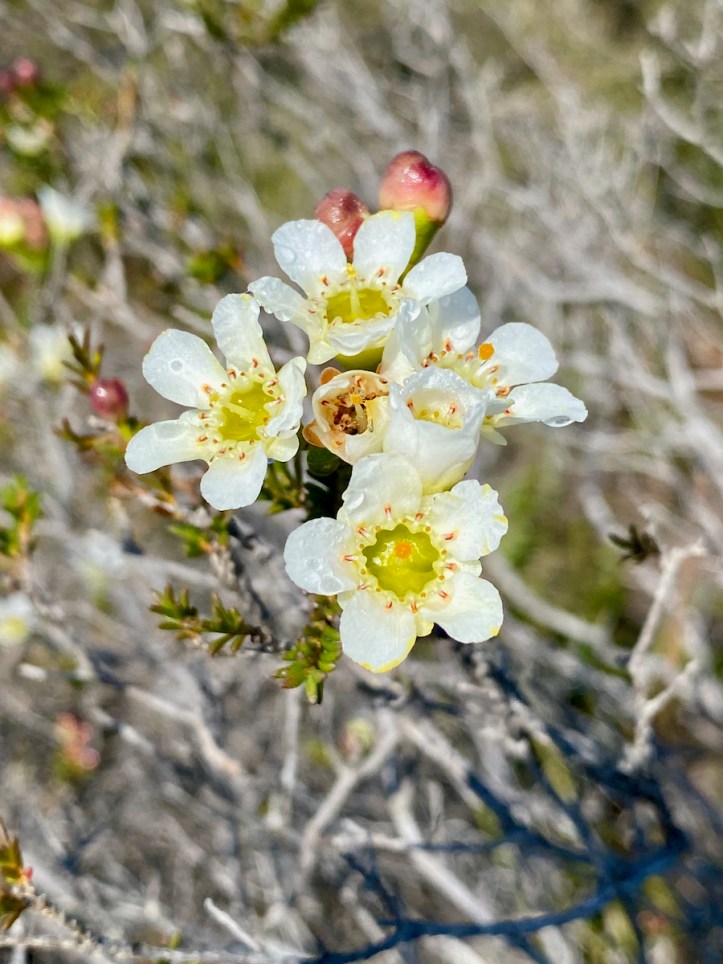
Geraldton Wax 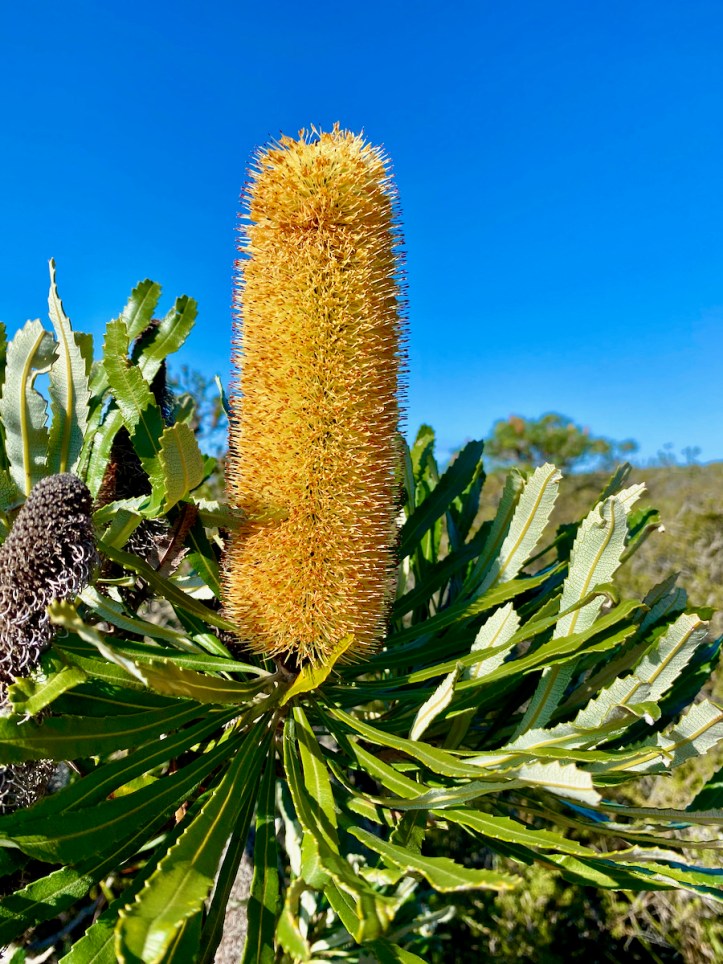
Banksia 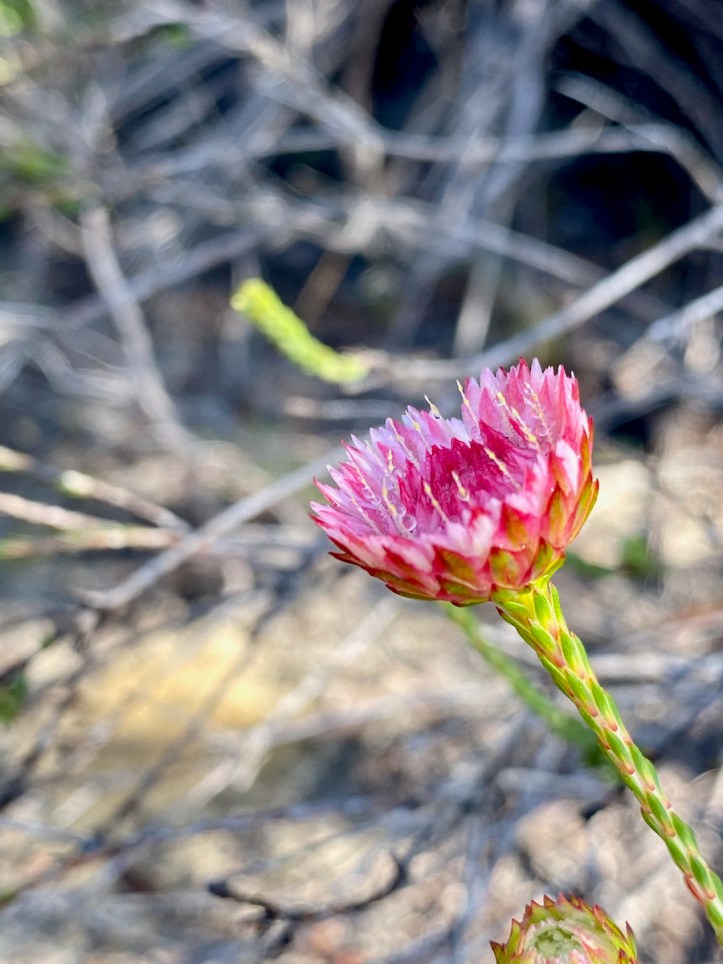
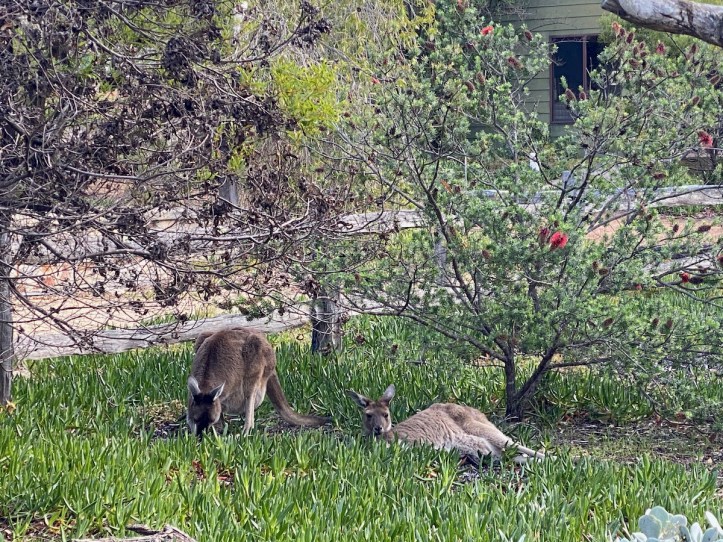
Kangaroos 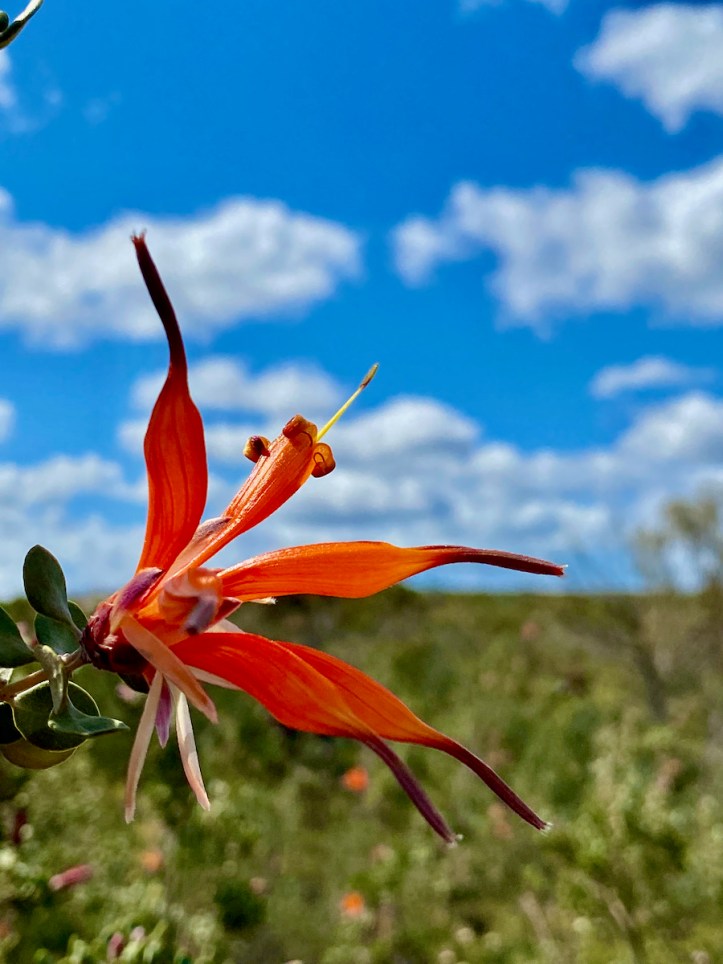


What do you say, eh?