Wednesday we hired a car and set off to Beamish, the Living Museum of the North. It’s an open-air museum “telling the story of life in North East England during the 1820s, 1900s and 1940s.” When I picked up the car, two of the staff were gushing about how good it was. It sounded like we were onto a good thing.
I’d booked a five-door sedan the night before but the way this small car rental place works is that they get the reservation and then have to source the car so to have the car for a 9am pick-up was a bit tricky. However, after a bit of a discussion on the phone, and a possible BMW option, we managed to get a people-mover at the time we wanted for no extra cost. We were set.
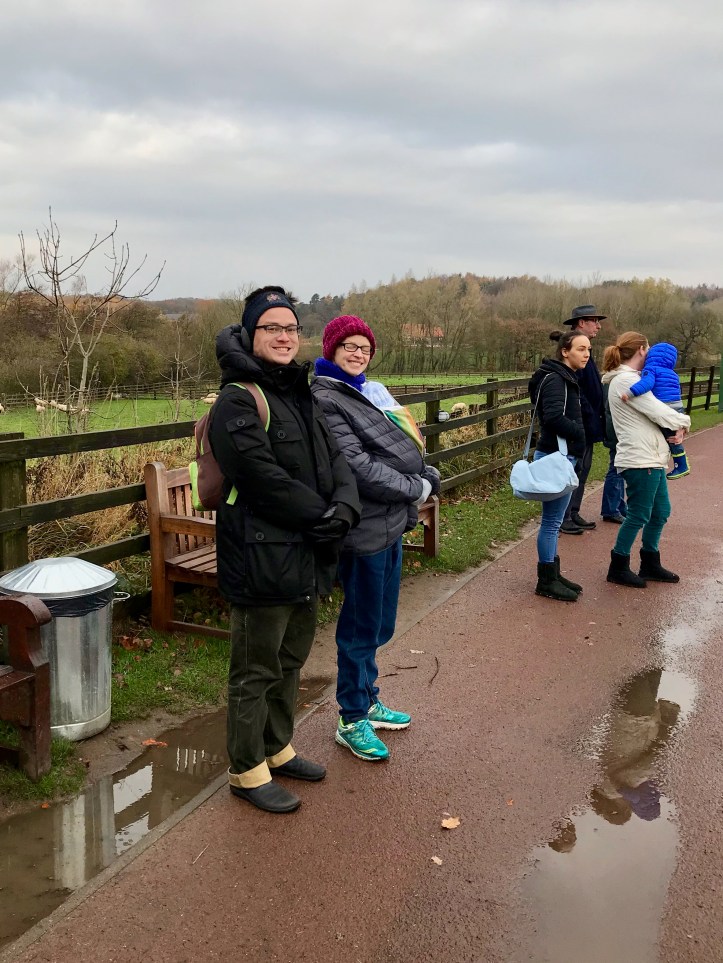
We’d woken up to drizzling rain after a night with a lot of wind and rain so I was a bit worried we’d have to deal with the rain in this open air museum. Fortunately the sky cleared and the sun came out. It was a bit chilly though.
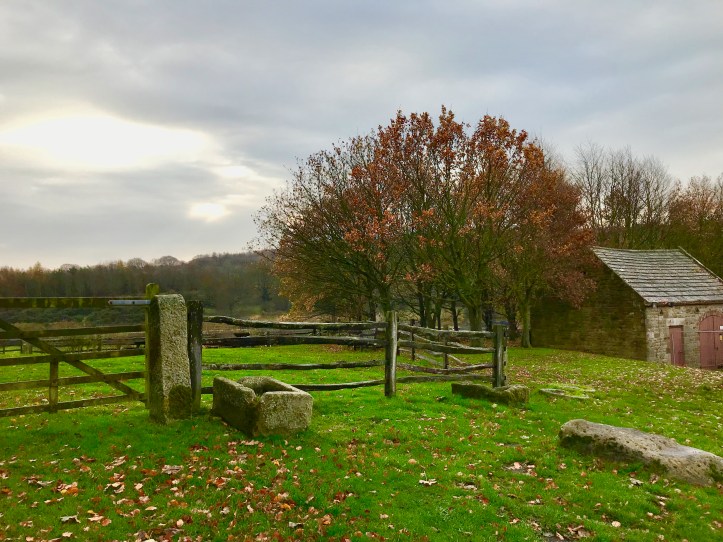
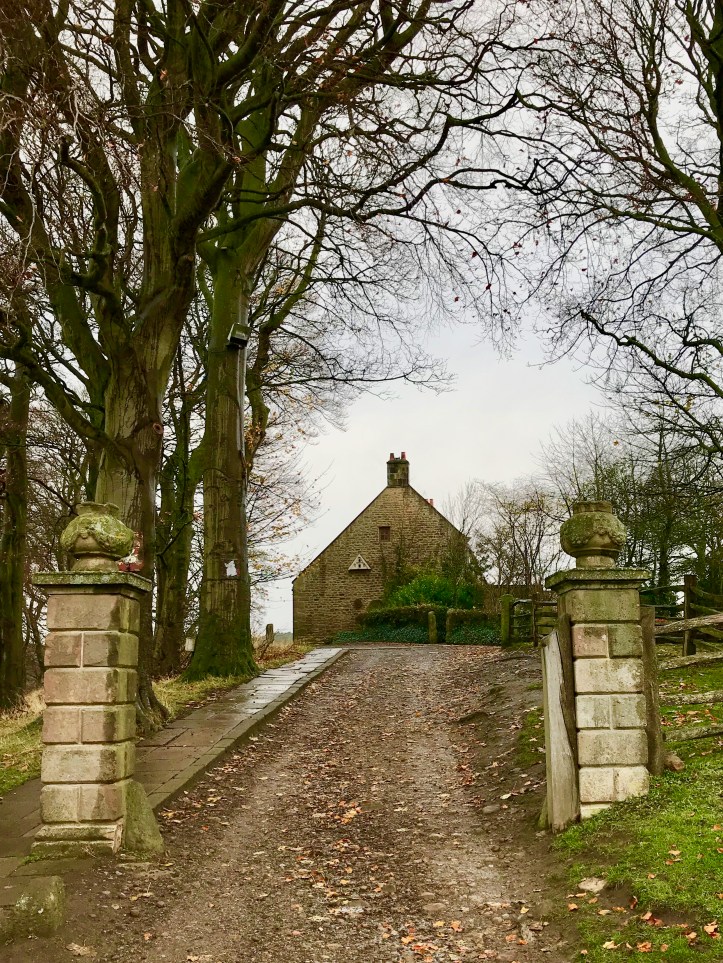
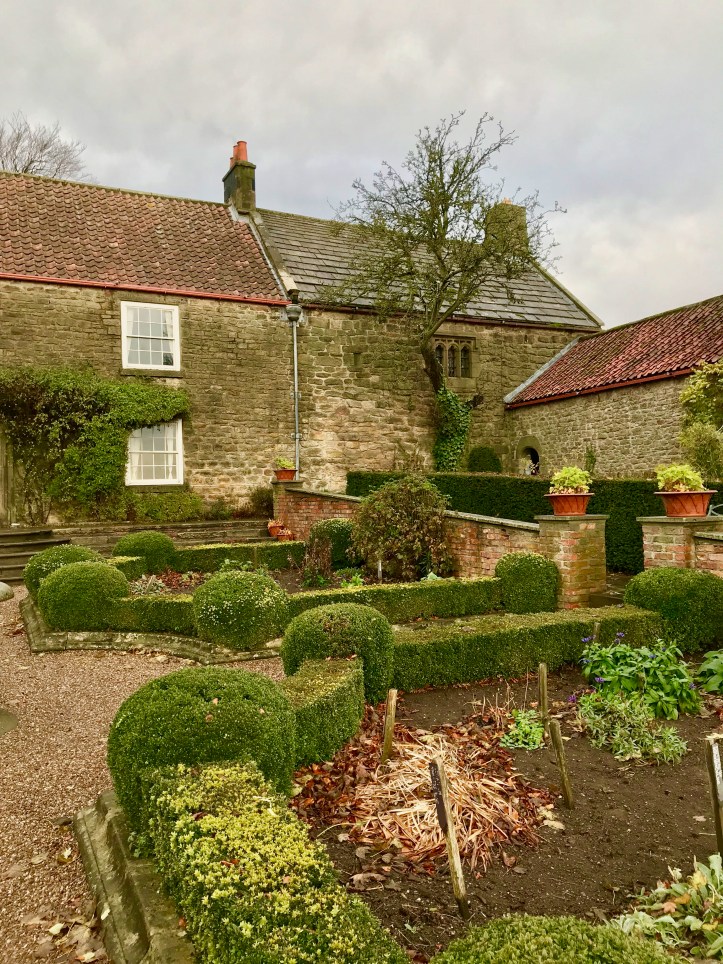
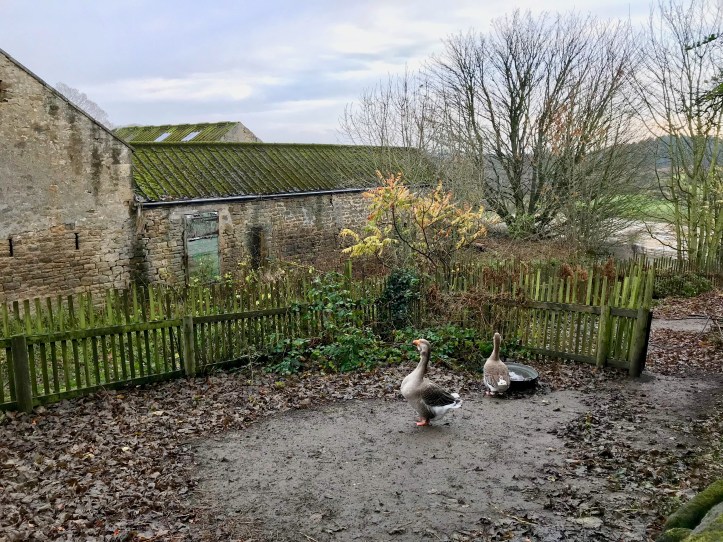
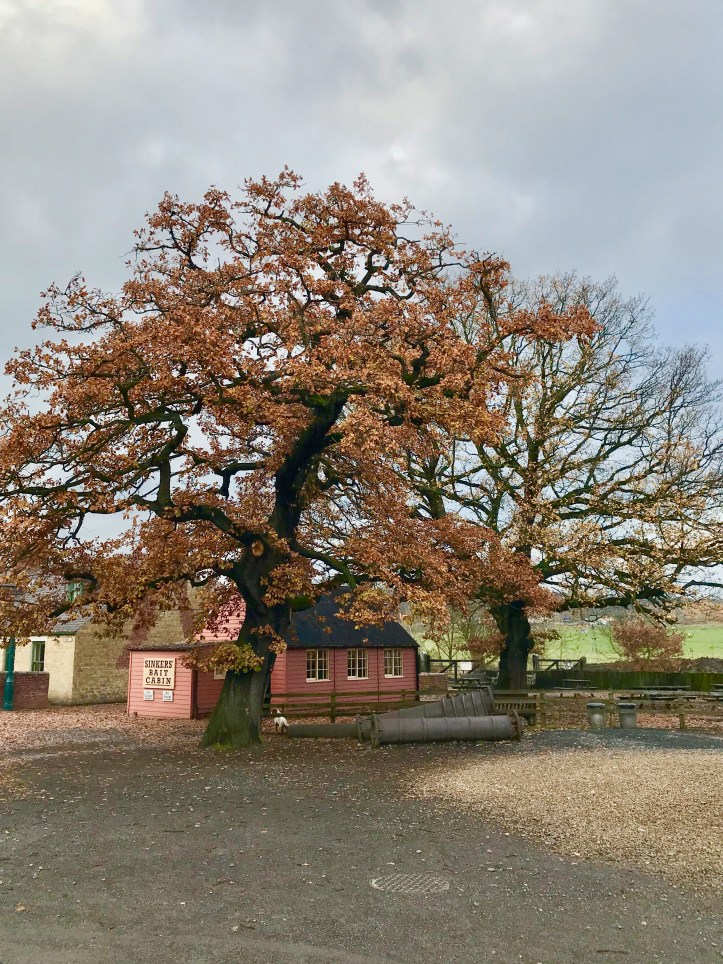
Beamish covers a lot of space. It’s divided into a number of areas, each with a theme and a time period. There’s a farm/hall with huts and a church from the 1820s, a town from 1913, a train station, another farm from the 1940s and a coal mine with a town from about 1913 as well. Most of the buildings have been relocated and rebuilt from elsewhere – churches, shops, school yards. The coal mine is real and was worked for over one hundred years.
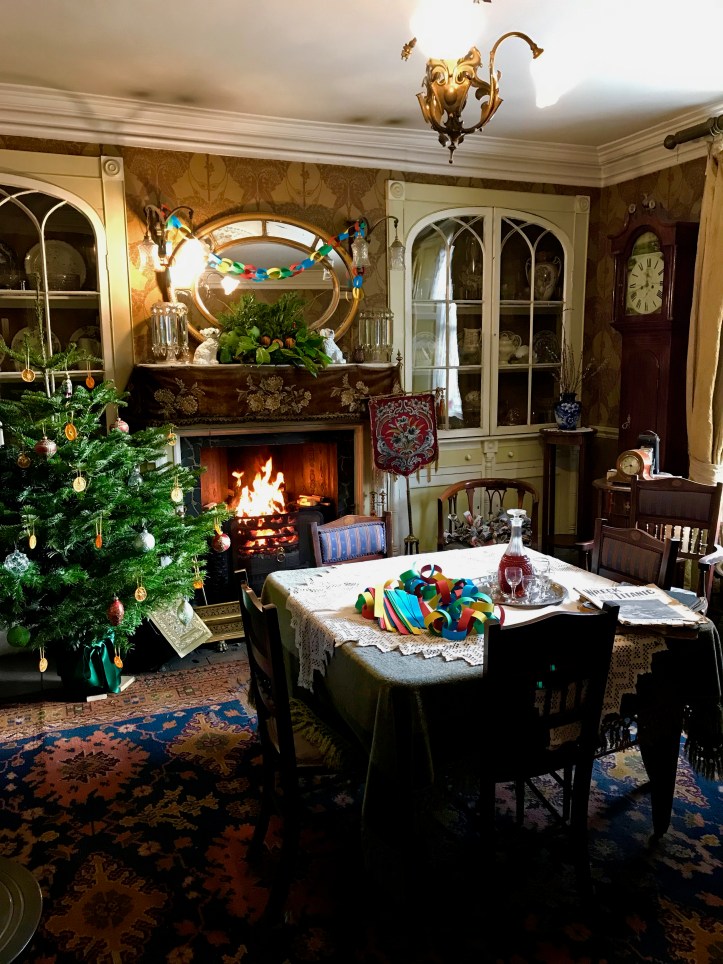
When we got through the entrance, we’d just missed the double-decker tram that circles the property but fortunately a bus arrived shortly after and took us to the farm. We went into the tenant farmer’s house, had a look through the rooms and talked to the interpretive actors. I learned about ham and bacon smoking and why the grain was kept upstairs rather than downstairs. All the rooms throughout Beamish are themed and dressed depending on their time period and function and there are actors/interpreters throughout who you can talk to. Honestly, this is how museums should be: interactive and immersive.
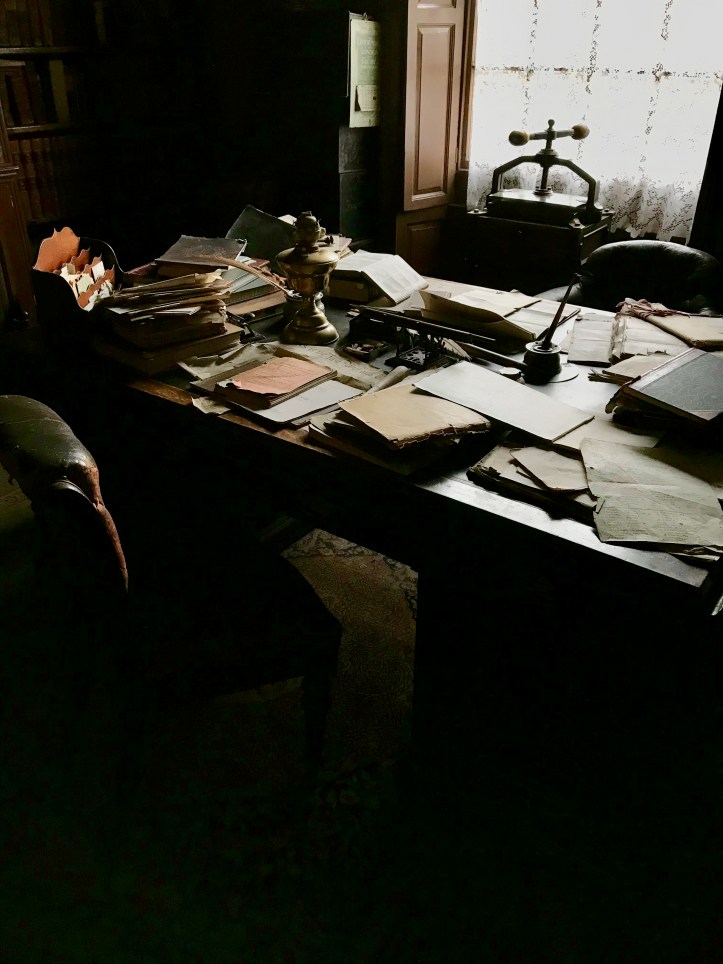
We walked through the house, then down to the church and the cottage. The engine building is set up for Santa’s grotto and there were reindeer in a pen outside. We caught the bus up to the town, wandering through the solicitor’s house and offices, the dentist’s, into the confectionary shop (we bought a lot of sweets), the druggists, the mechanics and the bank (trying to figure out pre-decimal British currency took a lot), and the masonic lodge.
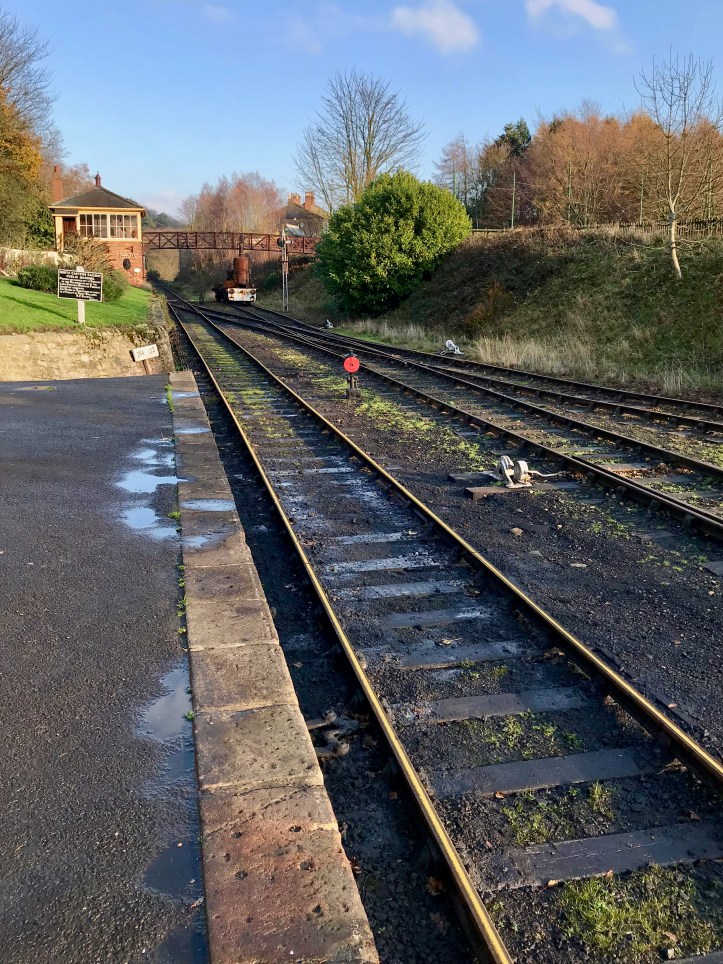
We stopped for lunch in the tea room, Glen and I having a full Christmas lunch with all the trimmings. Next was the train station (relocated from elsewhere) and then to the colliery, into the school that had 90 kids to a class. Interestingly, Beamish gets people there who used to go to the school when it was in its original location.
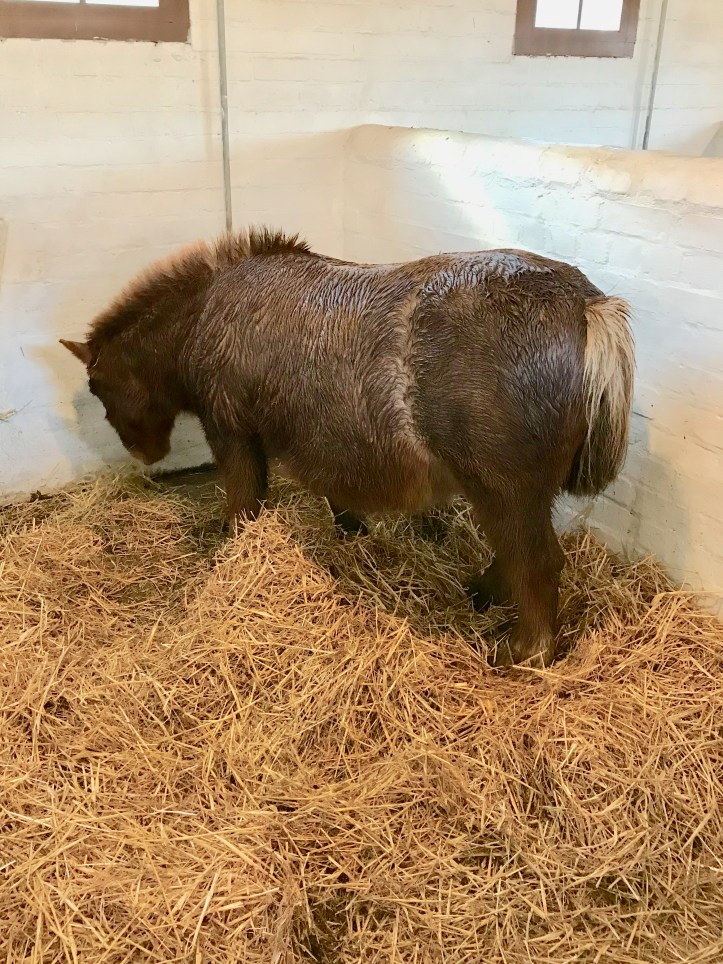
Miranda and Glen left me at that point and went around the whole place on the tram, while I went down into the coal mine and learned about the horrible torture that coal miners went through to make a living. It was the highest paid manual labour job in the country at one point but you were lucky to reach 55, and three people died from coal mining every day in England. Explosions, terrible conditions, and a job that made going off to fight in The Great War more preferable. We also saw pit ponies.
I finished up and then caught sight of the tram coming to the stop up the hill so legged in. It was the same tram Glen and Miranda were on which was convenience. Less convenient was breathing in all that cold air and starting off a coughing fit. This cough really doesn’t want to let up.
The only section of Beamish we didn’t see was the 1940s farm. If we ever find ourselves in this part of the country again, I would return. It’d also be nice to see it when the weather is better.
We left a little after 2pm, dropped Miranda home, then went to fill up the petrol tank and drop the car off. A most successful day out for our last day in Durham.


What do you say, eh?